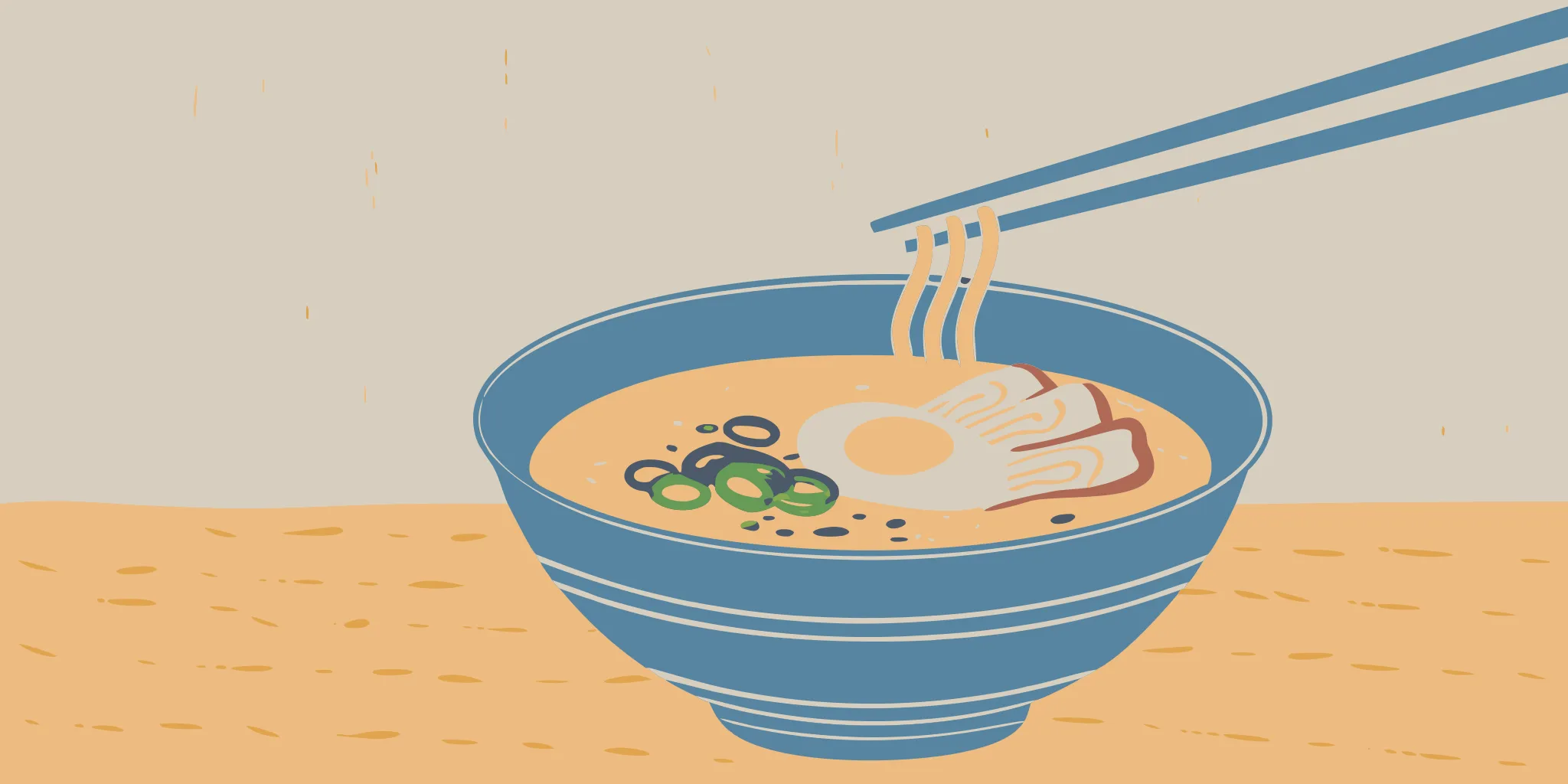
Ramen sometimes gets a reputation for being just a high-sodium snack, but that’s only a tiny part of the story. The world of ramen is incredibly diverse, from light, clear broths to rich, creamy ones that have been simmered for hours. This variety is why the question "how many calories is ramen?" is so tricky to answer. A bowl can be a light lunch or a hearty feast. We're here to clear up the confusion, bust a few myths about instant noodles, and give you a straightforward guide to the calories in popular ramen styles so you know exactly what you're enjoying.
Key Takeaways
- Know Your Broth, Know Your Bowl: The broth is the foundation of your ramen's calorie count; a rich, creamy Tonkotsu will be significantly higher in calories than a light, clear Shio, which is the main reason for the wide calorie range in different ramen styles.
- Toppings and Noodles Tell the Full Story: Beyond the broth, the final calorie tally is determined by your additions. Fatty proteins like chashu pork, aromatic oils, and fried instant noodles add up much faster than lean proteins, fresh vegetables, and fresh-made noodles.
- Customize Your Ramen Intentionally: You can easily align a bowl of ramen with your health goals without giving up flavor. Simple choices like adding extra vegetables, opting for leaner proteins, or not finishing every last drop of a rich broth can make a big difference.
What's Really in a Packet of Instant Ramen?
We’ve all been there: a late night, a tight budget, or just a craving for something quick and comforting. Instant ramen is a pantry staple for a reason, but have you ever wondered what you’re actually eating? While it shares a name with the steaming bowls we serve at Otaku Ramen, the nutritional profile is quite different. Let's break down the contents of that convenient little packet, from the calories to the sodium, to give you a clearer picture of this go-to meal.
The Average Calorie Count
When you look at a standard packet of instant ramen, you're typically looking at a meal that falls between 370 and 530 calories. This makes it a moderate-sized meal, not too different from a sandwich or a large salad. For many people, this fits comfortably into a daily eating plan. The key is understanding that this number is just a baseline. The final calorie count of your ramen depends entirely on the specific brand you choose and, more importantly, what you decide to add to the bowl.
How Popular Brands Compare
Not all instant noodles are created equal, and the calorie count can vary quite a bit from one brand to another. Some might be lighter, while others, especially those with included oil or sauce packets, can be more calorie-dense. A single serving can range from under 400 to well over 600 calories before you even add anything. Thinking of adding an egg, some leftover chicken, or a drizzle of sesame oil? Those delicious additions will also contribute to the final calorie tally, turning a simple snack into a more substantial meal.
A Look at Sodium and Fat
Beyond calories, the two most significant numbers on an instant ramen nutrition label are usually sodium and fat. A single serving can easily pack over 800mg of sodium—sometimes much more—which is a hefty portion of the recommended daily intake. Most of this comes from the flavor packet. The fat content, which often hovers around 7-20 grams per serving, is largely due to the noodles themselves, as they are typically flash-fried before being packaged. This process is what makes them cook so quickly. Understanding these ramen nutrition facts helps you make more informed choices when you're reaching for that quick and easy meal.
Restaurant vs. Instant Ramen: A Calorie Showdown
When you’re craving ramen, you might wonder about the difference between a steaming bowl from your favorite restaurant and the quick-and-easy packet from your pantry. While both can hit the spot, they are worlds apart when it comes to nutrition, especially calories. The instant version is a snack, but a restaurant bowl is a complete, satisfying meal. Let's break down why that is and what it means for your next ramen night.
Why a Restaurant Bowl Has More Calories
A bowl of restaurant-style ramen is a full-on culinary experience, and its calorie count reflects that. You can expect a single bowl to contain anywhere from 600 to 1,200 calories. The main reason for this is the incredible depth of flavor built into every component. The broth, especially a rich and creamy tonkotsu, is often simmered for hours with pork bones, creating a luscious, fatty base. Add to that a generous portion of fresh noodles and an array of toppings like chashu pork, a soft-boiled egg, and aromatic oils, and you have a hearty, substantial meal. It’s not just food; it’s an event in a bowl.
The Otaku Ramen Difference: Quality You Can Taste
At Otaku Ramen, we believe a bowl of ramen should be a deeply satisfying meal, and that starts with quality you can taste. The calories in our ramen come from wholesome, flavorful ingredients that are thoughtfully prepared. Our broths are the heart of our bowls, simmered for hours to extract every bit of flavor. We pair them with perfectly chewy noodles and high-quality toppings that turn a simple dish into a memorable experience. When you look at our menu, you’re not just seeing a list of ingredients; you’re seeing a commitment to crafting a balanced, delicious, and fulfilling meal that will warm you from the inside out.
How Portion Size and Ingredients Change Everything
On the other side of the spectrum is instant ramen, which typically contains between 370 and 530 calories per serving. The key word here is serving. Many packages actually contain two servings, so it’s easy to consume double the calories you intended. While the base calorie count is lower, it’s because the portion is smaller and the components are simpler. Plus, any additions you make can quickly add up. A spoonful of chili oil can add another 100 calories. So while instant ramen is a convenient option, a restaurant bowl offers a more complete and nutritionally diverse meal.
What Determines the Calories in Your Ramen?
Ever wondered why one bowl of ramen feels light and satisfying while another feels like a decadent feast? It all comes down to what’s inside. The calorie count in a restaurant ramen bowl can swing from around 600 to over 900, and the difference lies in three key components: the broth, the toppings, and the noodles. Understanding how each element contributes can help you choose the perfect bowl for any occasion, whether you’re looking for a comforting meal or a lighter bite. Let's break down what really makes up the calories in your favorite bowl.
The Broth: From Light and Clear to Rich and Creamy
The soul of any ramen is its broth, and it’s also the foundation of its calorie count. A light, clear broth like shio (salt-based) will naturally have fewer calories than a rich, opaque one. The king of caloric density is often Tonkotsu. This creamy, luxurious broth is made by simmering pork bones for hours until the fat and collagen break down, creating an incredibly flavorful but higher-calorie base. At Otaku Ramen, we celebrate all the different broth styles, from the light and savory to the rich and deep, so you can always find one that fits your mood.
Toppings That Add Up
Toppings are where you can truly customize your ramen, but they can also add a significant number of calories. While delicious, some additions pack a bigger punch than others. For example, a slice of fatty chashu pork belly can add between 150 and 250 calories, while a classic soft-boiled egg (ajitama) adds around 70 to 90. Other rich toppings like black garlic oil (mayu), butter, or cheese will also increase the final count. On the flip side, additions like bamboo shoots, scallions, and nori add tons of flavor and texture with very few calories.
The Impact of Different Noodles
Not all noodles are created equal. The biggest difference is between the fresh noodles you’ll find in a restaurant and the instant kind from a package. Instant ramen noodles are typically pre-cooked and fried to make them shelf-stable, which adds extra fat and calories before you even touch the seasoning packet. Fresh noodles, like the ones we prepare daily, are simply made from flour, water, and kansui. This focus on mastering the art of ramen means you get a better texture and a leaner starting point for your meal, letting the broth and toppings truly shine.
Common Ramen Calorie Myths, Busted
There’s a lot of confusion around ramen calories, especially when it comes to the instant variety. One of the most common mistakes is misreading the serving size; many instant ramen packages actually contain two servings, so you might be eating double the calories you think. Another myth is that the noodles themselves are the main issue. While fried instant noodles have more fat, it’s often the accompanying seasoning packet that contributes a huge amount of calories, sodium, and fat to the final dish. Always check the nutrition label to get the full picture.
A Calorie Guide to Popular Ramen Styles
Not all ramen is created equal, especially when it comes to calories. The heart and soul of any ramen bowl is its broth, and this is where the biggest differences lie. From the deep, rich flavor of a pork-based broth to a light and clear vegetable-based one, your choice of ramen style plays a huge role in its nutritional profile. A single bowl of ramen can range from 400 to 900 calories depending on how it's made. Understanding these popular styles can help you pick the perfect bowl to match your cravings and your dietary goals.
Tonkotsu: The Richest of Them All
Tonkotsu is the go-to for anyone craving a truly decadent ramen experience. Its signature creamy, opaque broth is the result of boiling pork bones for hours on end, a process that releases collagen and fat, creating an incredibly rich flavor and velvety texture. Because of this, Tonkotsu is typically the highest in calories among ramen styles. It’s a hearty, satisfying meal that’s perfect for a chilly day or when you need some serious comfort food. Our own Tennessee Tonkotsu is a local favorite, blending traditional techniques with a Nashville twist for a bowl that’s pure happiness.
Shoyu & Miso: The Savory Classics
Shoyu (soy sauce) and Miso (fermented soybean paste) are two of the most classic ramen broths you’ll find. Shoyu ramen usually has a clear, brown broth that’s savory and light, making it a lower-calorie choice compared to richer styles. Miso ramen, on the other hand, has a thicker, more complex broth that brings a deep umami flavor and a slightly higher calorie count. Learning about the different types of ramen can help you find your perfect match, whether you're in the mood for something light and salty or rich and funky.
Shio: The Lighter Choice
If you’re looking for something flavorful yet light, Shio ramen is an excellent choice. "Shio" means salt, and this ramen is defined by its clear, pale broth seasoned with sea salt. It’s the oldest style of ramen, known for its clean and delicate flavor that allows the other ingredients in the bowl to shine. Because the broth is simple and not made with fatty bones or heavy pastes, Shio is generally one of the lowest-calorie ramen options available. It’s a refreshing and satisfying choice when you want all the comfort of ramen without the richness of a heavier broth.
Veggie & Vegan Alternatives
Plant-based ramen bowls are fantastic options that are often naturally lighter in calories. Instead of a meat-based broth, they use a flavorful vegetable stock that can be just as complex and satisfying. Toppings also play a big role. Swapping out fatty pork belly for lean proteins like grilled tofu or loading up on extra vegetables can significantly change the nutritional profile of your meal. At Otaku Ramen, our Spicy Miso can be made completely vegan, proving you don’t have to sacrifice flavor to enjoy a plant-based bowl. It’s a delicious way to get your ramen fix while keeping things on the lighter side.
How to Make Ramen Healthier (Without Sacrificing Flavor)
Let’s be honest: ramen is a soul-soothing comfort food, and nobody wants to mess with that. But what if you could enjoy your favorite bowl while making it a bit more aligned with your health goals? The good news is you absolutely can. Making ramen healthier isn’t about stripping away all the fun; it’s about making small, smart adjustments that add up. By focusing on clever topping swaps, loading up on fresh vegetables, and approaching your meal with a little mindfulness, you can have a delicious and satisfying bowl that you feel great about eating. It’s all about finding that perfect balance where incredible flavor meets thoughtful nutrition.
Make Smart Topping Swaps
One of the easiest ways to adjust the nutritional profile of your ramen is by rethinking the toppings. While rich, fatty proteins like pork belly are undeniably delicious, they also contribute a significant amount of calories and fat. Consider asking for a leaner protein like grilled chicken or extra tofu instead. You can also moderate toppings like chili oil or a marinated egg to get the flavor without going overboard. Exploring the different add-ons available on a menu can help you find new combinations you love. These simple swaps allow you to customize your bowl to be both flavorful and a little lighter.
Add More Veggies and Modify Your Broth
This tip is less about taking things away and more about adding goodness in. Piling your bowl high with extra vegetables is a fantastic way to increase its nutritional value. Ask for extra spinach, bok choy, mushrooms, or bamboo shoots. These additions not only pack your meal with fiber and essential nutrients but also add wonderful texture and flavor, making the whole bowl feel more substantial. Another simple trick is to be mindful of the broth. While it’s the heart of any good ramen, you don’t have to drink every last drop. Leaving a little broth behind is an easy way to reduce your sodium and calorie intake, especially with richer styles like tonkotsu.
Enjoy Restaurant Ramen Mindfully
Dining out is a treat, and enjoying a bowl of ramen at your favorite spot should be a joyful experience. A little mindfulness can go a long way in keeping it that way. Restaurant ramen bowls can be quite generous, often containing more calories than their instant counterparts. Being aware of this helps you make choices that feel right for you. You can plan ahead by looking at the menu online or simply listen to your body and stop eating when you feel comfortably full. Savoring each bite and appreciating the quality ingredients is the best way to enjoy your meal completely, no matter what you order.
How to Count Calories in Homemade Ramen
Making ramen at home gives you complete control over what goes into your bowl, which is great news if you’re keeping an eye on calories. It might seem like a complicated dish to track, but it’s simpler than you think. The key is to look at your bowl as a sum of its delicious parts. By breaking it down, you can easily build a meal that fits your personal health goals without sacrificing the flavors you love.
Break Down Each Ingredient
The first step to an accurate calorie count is to deconstruct your ramen. Think of it not as one dish, but as three main components: the broth, the noodles, and the toppings. Each element plays a different role in the final calorie tally. A rich, opaque pork broth will naturally have more calories than a light, clear chicken or vegetable broth. The same goes for your noodles and toppings.
Start by making a list of every single ingredient you plan to use. This simple act of inventory takes the guesswork out of the equation. It gives you a clear, honest look at exactly what you’re eating and helps you understand where the bulk of the calories in your ramen are coming from.
Use Measuring and Tracking Tools
Once you have your ingredient list, precision is your best friend. Eyeballing portion sizes is one of the easiest ways to miscalculate your intake. Use measuring cups for liquids like broth and a food scale for solids like noodles and protein. This is especially helpful for instant noodles, where the package often contains two servings, not one.
To make things even easier, use a calorie-tracking app on your phone. You can input each measured ingredient to get a precise total for your meal. This takes the mental math out of the process and helps you create a record you can refer back to the next time you make your favorite recipe.
Build Your Own Balanced Bowl
This is where you can get creative and customize your ramen to fit your needs. If your goal is a lower-calorie meal, you don’t have to give up your favorite things—just be mindful of them. Toppings like fatty pork belly, marinated eggs, and chili oil add a lot of flavor, but also a lot of calories. Consider using them more sparingly.
A great way to build a satisfying yet lighter bowl is to load up on fresh vegetables. Bok choy, spinach, mushrooms, and bean sprouts add wonderful texture and nutrients. You can also opt for leaner proteins like grilled chicken or tofu. And here’s a simple tip: you don’t have to drink every last drop of the broth to reduce your overall intake and still enjoy a fantastic meal.
Related Articles
- Decoding Ramen Calories: Broths, Toppings & Noodles | Otaku Ramen
- How Many Calories in a Bowl of Ramen? A Guide | Otaku Ramen
- How Many Carbs in Ramen Noodles? A Guide | Otaku Ramen
- How Many Calories in Ramen Noodles? A Detailed Breakdown | Otaku Ramen
- How Many Calories in Ramen? A Breakdown by Type | Otaku Ramen
Frequently Asked Questions
So, is instant ramen just plain unhealthy? Calling any single food "unhealthy" can be tricky, but it's fair to say instant ramen isn't a nutritional powerhouse. The main concerns are its very high sodium content and the fat from the flash-fried noodles. While it's a convenient and affordable option for a quick meal, it's best enjoyed in moderation rather than as a daily staple.
What's the best way to order a lighter bowl of ramen at a restaurant? If you're looking for a lighter option, start by choosing a broth style like Shio, which is salt-based and clear, or Shoyu, which is soy-sauce based. These are generally lower in calories than a rich, creamy Tonkotsu. You can also customize your bowl by asking for extra vegetables or swapping a fatty protein like pork belly for something leaner like chicken or tofu.
Why does a bowl of restaurant ramen have so many more calories than an instant packet? The calorie difference comes down to quality, complexity, and portion size. A restaurant bowl is a complete meal crafted with rich, slow-simmered broths, generous servings of fresh noodles, and high-quality toppings like marinated pork and soft-boiled eggs. Instant ramen, by contrast, is a much simpler and smaller snack with dehydrated components and a flavor packet.
If I want to make my instant ramen a little better, should I use less of the seasoning packet? Yes, that's a great place to start. The seasoning packet is where most of the sodium and a good portion of the calories come from. Using only half the packet is an easy way to cut down on both without completely sacrificing flavor. You can also add your own fresh ingredients like scallions, a soft-boiled egg, or some spinach to make it a more balanced meal.
Can I still enjoy ramen if I'm watching my calorie intake? Absolutely. Being mindful of your health goals doesn't mean you have to give up your favorite foods. It's all about making informed choices. You can opt for a lighter broth, load up on vegetable toppings, be mindful of portion sizes, and maybe not finish every last drop of a richer broth. Ramen can easily fit into a balanced diet when you approach it with a little intention.