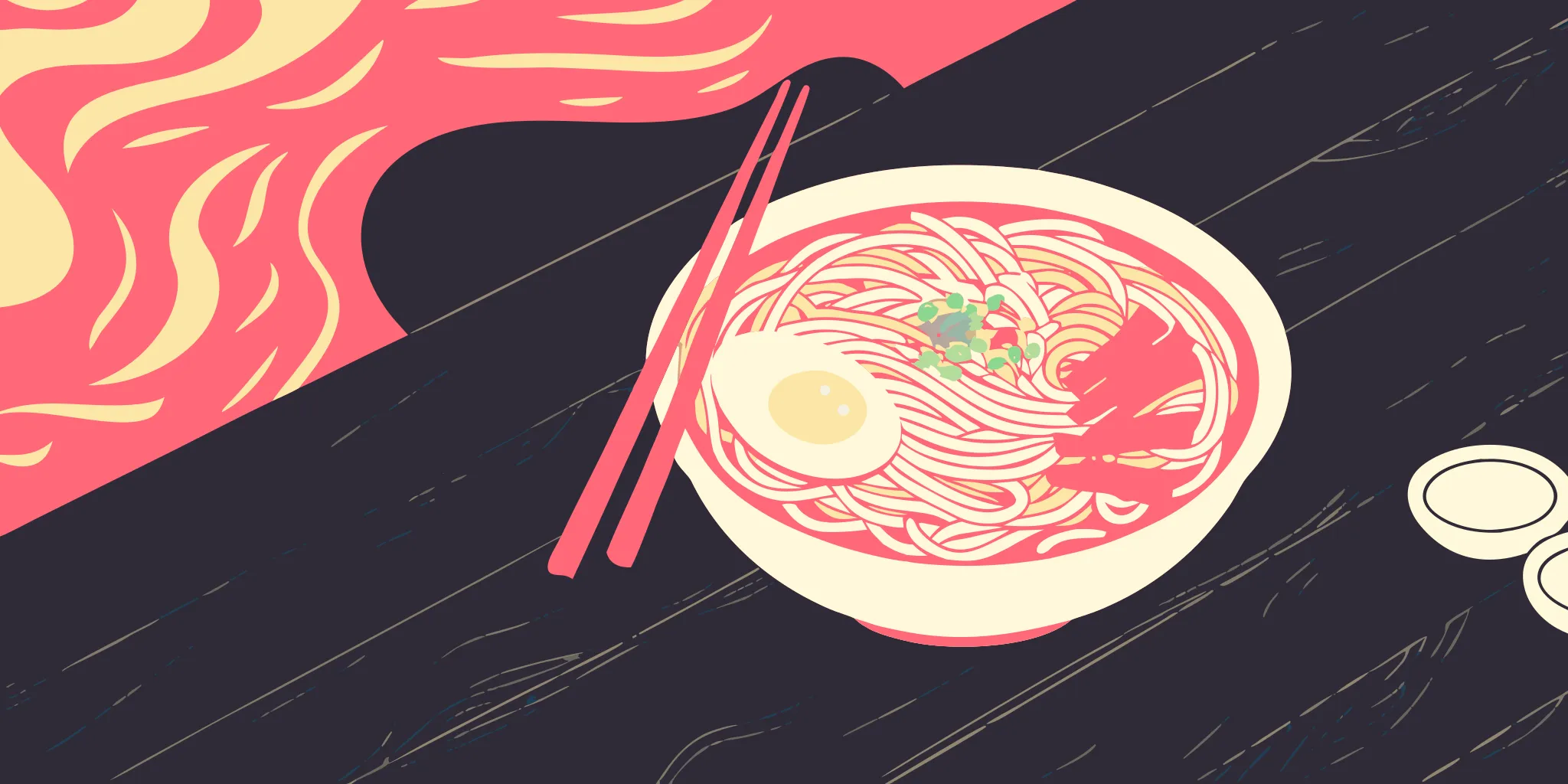
When you think of ramen, two very different images might come to mind: the styrofoam cup of instant noodles from your college days, and a steaming, artfully prepared bowl from a dedicated ramen shop. While both are comforting, they are worlds apart when it comes to nutrition. The question of how many carbohydrates in ramen noodles you're consuming depends almost entirely on which version you’re eating. Instant noodles are often fried and made with refined flour, while the fresh noodles in a restaurant bowl are part of a balanced meal. We’ll explore the differences and show you why a thoughtfully constructed bowl is a smarter, more satisfying choice.
Key Takeaways
- Opt for Restaurant Ramen Over Instant: A thoughtfully prepared bowl is a balanced meal with quality protein and fats that complement the carbs from fresh noodles, making it a more satisfying and nourishing choice than a simple instant packet.
- Prioritize Protein and Veggies: Make your bowl more filling by adding extra protein like chashu or a soft-boiled egg and loading up on low-carb vegetables. This strategy helps you feel satisfied with a smaller portion of noodles.
- Control Your Noodle Intake: The easiest way to lower the carbs in your bowl is to simply ask for a half-portion of noodles. For an even bigger reduction, you can explore low-carb alternatives like shirataki or zucchini noodles at home.
How Many Carbs Are in Ramen Noodles?
If you’re a ramen lover, you know that the heart of any great bowl is the noodles. But if you're also keeping an eye on your carb intake, you’ve probably wondered just how many carbs are swimming in that delicious broth. The answer isn't as straightforward as you might think—it really depends on the type of ramen you’re eating. The difference between a quick instant noodle packet and a carefully crafted bowl from a restaurant is huge, not just in flavor but in nutritional content, too.
The carb count in ramen can swing widely based on whether the noodles are instant or fresh, the serving size, and what else is in the bowl. Instant ramen is designed for convenience and a long shelf life, which often means it's more processed and has a different nutritional profile than the fresh noodles we use at Otaku Ramen. Understanding these differences can help you enjoy your favorite meal in a way that fits your lifestyle. Let’s break down the carb content you can expect from the most common types of ramen noodles.
Carbs in Instant Ramen
Instant ramen is a pantry staple for a reason—it’s fast, easy, and comforting. When it comes to carbs, a standard single serving of instant ramen noodles (about one cup) typically contains around 22.5 grams of total carbohydrates. Most of these are net carbs, which are the carbs your body digests and uses for energy. This serving size also comes with about 5.5 grams of fat and only 3.7 grams of protein, adding up to roughly 154 calories. While it’s a convenient option, it’s not the most balanced meal on its own, as the focus is heavily on the processed noodles and seasoning packet.
Carbs in Fresh Noodles
Fresh ramen noodles, like the ones you’ll find at a ramen shop, are a completely different story. These noodles are made with simpler ingredients and have a much better texture and flavor. Nutritionally, they also differ. A serving of fresh noodles can contain around 40 grams of carbohydrates for about 1.5 cups cooked. While that number might seem higher than instant ramen, it’s important to remember that these carbs are part of a much larger, more balanced meal. They provide the satisfying, slurpable base for a bowl filled with rich broth, protein, and veggies, making for a more complete dining experience that’s both delicious and filling.
Carbs in Restaurant-Style Ramen
When you order a bowl of ramen at a restaurant, you’re getting more than just noodles. You’re getting a thoughtfully constructed meal. At Otaku Ramen, our bowls are designed to be a balanced mix of macronutrients. The carbohydrates from our fresh noodles are complemented by protein from chashu pork or chicken, healthy fats from flavorful oils, and nutrients from toppings like soft-boiled eggs and fresh greens. This combination makes for a deeply satisfying and nourishing meal that will keep you full and happy. You can see how we build our bowls by checking out the Otaku Ramen menu.
How Do Ramen Carbs Compare to Other Noodles?
It’s easy to think of all noodles as being pretty similar, but when you look at the numbers, you’ll find some surprising differences. If you’re keeping an eye on your carb intake, it helps to know how a comforting bowl of ramen compares to other favorites like spaghetti or even a side of rice. Let's break down how ramen noodles stack up against some other common pantry staples.
Ramen vs. Spaghetti and Udon
When you put a bowl of ramen next to a plate of spaghetti, you’ll notice the carb counts are quite different. A serving of traditional pasta usually has around 43 grams of carbohydrates. Udon noodles, another Japanese favorite, are in a similar range with about 42 grams per serving. Ramen, however, tends to be a denser source of carbohydrates. Depending on the noodle, 100 grams of ramen can contain up to 76 grams of carbs, which is something to keep in mind if you're tracking your macros. This higher density is part of what makes ramen so satisfying and filling.
Ramen vs. Rice and Whole Wheat Pasta
Now, let’s compare ramen to rice and whole wheat pasta. A typical serving of cooked ramen noodles has about 40 grams of carbs, which is fairly close to what you’d find in whole wheat pasta. The key difference here is often the fiber content; whole wheat options generally offer more fiber, which can help you feel full longer. Instant ramen can have a wider range, anywhere from 40 to 80 grams of carbs per package, so it’s always a good idea to check the label. Compared to a cup of white rice, ramen is in the same ballpark, making them pretty interchangeable from a carb perspective.
What Affects the Carbs in Your Ramen Bowl?
When you think about carbs in ramen, the noodles are probably the first thing that comes to mind. And you're right—they are the main source. But not all ramen bowls are on the same level. The final carb count depends on a few key things, turning what seems like a simple question into a more interesting one. The difference between a quick instant packet and a thoughtfully prepared bowl from a ramen shop is huge.
The type of noodles used, how many are in your bowl, and even the way they were made all play a major role. Understanding these factors gives you more control over what you're eating, allowing you to enjoy your ramen exactly the way you want. Whether you're watching your carb intake or just curious, knowing what goes into your bowl makes the experience that much better. At Otaku Ramen, we focus on our craft, ensuring every component is the best it can be.
Noodle Type and Thickness
The biggest factor in your ramen’s carb count is the noodles themselves. There’s a world of difference between the flash-fried, processed noodles in an instant packet and the fresh, springy noodles in a restaurant bowl. Instant noodles are designed for a long shelf life, not for nutritional balance. In contrast, the carbs in a professionally prepared bowl come from fresh noodles that are part of a complete meal, balanced with protein, vegetables, and a nutrient-rich broth. Thicker noodles may contain slightly more carbs per strand, but the overall quality and preparation are far more important.
Your Serving Size
This one might seem obvious, but portion size is key. More noodles simply mean more carbs. A typical restaurant serving of ramen noodles, which is about 1.5 cups cooked, contains around 40 grams of carbohydrates. However, portion sizes can vary from one ramen shop to another. If you're mindful of your carb intake, you can always ask for fewer noodles or simply save half of your bowl for later. It’s an easy adjustment that lets you enjoy the rich flavors of the broth and toppings without overdoing it on the noodles.
How the Noodles Are Made
The production process dramatically changes the nutritional profile of ramen noodles. Most instant ramen noodles are fried before being packaged, which makes them shelf-stable but also adds a significant amount of fat and calories. They are also made with refined flour that can cause a quick spike in blood sugar. Fresh noodles, like the ones we use in our Nashville ramen shops, skip the frying process entirely. They are made with quality ingredients and are meant to be eaten fresh, giving them a better texture and a more balanced nutritional value.
How to Read a Ramen Nutrition Label
Let’s be honest, nutrition labels can sometimes feel like you’re trying to decipher a secret code. When you’re looking at a package of instant noodles versus thinking about a steaming bowl of restaurant ramen, the numbers can seem worlds apart. Understanding what’s on the label is the key to making choices that feel right for you and your health goals. It’s not about judging the food, but about being informed. Knowing how to read the label helps you appreciate the difference between a quick snack and a thoughtfully crafted meal. It gives you the power to see exactly what you’re getting, from the energy-giving carbs to the satisfying protein. Once you know what to look for, you can confidently enjoy your favorite bowl at any of our Nashville locations.
Finding the Carb Count
When you first look at a nutrition label, the carbohydrate line is often the first thing people check. But for ramen, that number only tells part of the story. The carb count in ramen varies wildly between a packet of processed instant noodles and a balanced, restaurant-style bowl. In a professionally prepared bowl, the carbs come from fresh, springy noodles that are balanced with rich protein, crisp vegetables, and a nutrient-dense broth. This means you’re getting sustained energy from a complete meal, not just a quick hit from refined flour. So, when you see that carb count, remember to consider the quality and the company it keeps.
Total Carbs vs. Net Carbs
You’ve probably seen "Total Carbohydrates" on a label, but what about "net carbs"? The difference is simple but important. Total carbs include all the starches, sugars, and fiber in a food. To find the net carbs, you just subtract the grams of fiber from the total carbs. This number represents the carbohydrates your body actually digests and uses for energy. A cup of instant noodles, for example, might have around 22.5 grams of total carbs but less than a gram of fiber. This lack of fiber is a key reason why it doesn’t keep you full for long, unlike a restaurant bowl loaded with fiber-rich toppings.
Do Broth and Toppings Add Carbs?
The noodles might be the main event, but they aren't the only source of carbs in your bowl. Everything from the rich, savory broth to the delicious toppings can influence the final carb count. The nutritional value of ramen improves dramatically when you move from instant packets to a thoughtfully constructed bowl with protein and vegetables, which help you feel full and satisfied with a more reasonable portion of noodles. Let's look at how each component stacks up.
Hidden Carbs in Broth
Traditional ramen broth is a labor of love, often simmered for hours. Most classic broths like shio (salt), shoyu (soy sauce), and tonkotsu (pork bone) are naturally very low in carbohydrates. However, some broths, particularly miso or creamy styles, can have slightly more carbs from ingredients like miso paste or mirin. This is especially true for instant ramen packets, which often rely on starches and sugars for flavor. At a dedicated ramen shop, the focus is on deep, authentic flavor. You can explore the different broth bases on our menu to see what sounds best to you.
Choosing Low-Carb Toppings
This is where you can really customize your bowl. A rich broth paired with plenty of protein and vegetables can make the meal more satisfying, so you can enjoy the noodles as part of a balanced dish without feeling overwhelmed by carbs. Great low-carb choices include chashu (braised pork belly), chicken, a seasoned soft-boiled egg (ajitama), scallions, and mushrooms. Toppings like corn or tempura will add more carbs. Loading up on protein and veggies adds incredible flavor and texture and helps you feel full, making it easier to enjoy a smaller portion of noodles.
Watch Out for Sauces and Seasonings
The final drizzle of sauce or sprinkle of seasoning adds that last layer of complexity, but it's good to be aware of what's in them. Many seasonings, like chili oil or toasted sesame seeds, are virtually carb-free. However, some sauces and the tare (the concentrated seasoning base) can contain sugar or mirin. While the amount is usually small in a restaurant bowl, the flavor packets in instant ramen are often loaded with sugar. When you order your ramen, you can always ask about the ingredients if you have specific dietary concerns.
What Are Some Low-Carb Noodle Alternatives?
If you love the rich, savory experience of a ramen bowl but are keeping an eye on your carb intake, you’re in luck. You don’t have to miss out. The world of noodle alternatives has expanded, offering plenty of delicious ways to build a satisfying, low-carb bowl. From plant-based wonders that mimic traditional noodles to fresh and vibrant vegetable spirals, there’s a swap for every taste and dietary need. Exploring these options can be a fun way to customize your meal while sticking to your health goals. For a complete picture, check out our full guide to a healthier bowl of ramen.
Shirataki Noodles
Often called "miracle noodles," shirataki noodles are a game-changer for anyone on a very low-carb or keto diet. Made from glucomannan, a fiber from the root of the konjac plant, these translucent noodles are mostly water and fiber. They contain virtually no digestible carbs—typically just 1 or 2 grams per serving. Their texture is a bit more gelatinous than wheat noodles, but a quick rinse and a dry pan-fry before adding them to your broth can give them a more familiar, pleasant bite. They are fantastic at soaking up the flavors of whatever broth or sauce you pair them with.
Vegetable Noodles
Your spiralizer can be your best friend when it comes to creating a low-carb ramen base. Vegetables like zucchini and spaghetti squash make excellent noodle substitutes. "Zoodles" (zucchini noodles) are quick to cook and have a mild flavor that lets the ramen broth shine. Spaghetti squash, when cooked and scraped with a fork, naturally separates into noodle-like strands. Using vegetable noodles not only cuts the carbs dramatically but also adds extra vitamins, fiber, and nutrients to your meal. It’s a simple and colorful way to get your noodle fix while loading up on veggies.
Other Plant-Based Options
As more people look for low-carb alternatives, the market has responded with some truly innovative products. A walk down the grocery aisle will reveal noodles made from hearts of palm, edamame, and even almonds. These options offer different textures and flavors, so you can experiment to find your favorite. Many of these plant-based noodles are designed to be low in carbohydrates, with some containing as few as 3 grams of net carbs per serving. Just be sure to read the nutrition label, as the carb count can vary between brands. It’s another great way to understand the carbs in ramen noodles and make informed choices.
How to Build a Balanced, Lower-Carb Ramen Bowl
Loving ramen doesn’t mean you have to abandon your health goals. It’s all about creating a bowl that’s both satisfying and smart. By focusing on a few key components, you can enjoy a delicious, restaurant-quality meal that fits your lifestyle. The secret isn't skipping the noodles, but building a more balanced bowl around them. When you start with a rich broth and quality ingredients, the focus shifts from just carbs to a complete, nourishing meal. You can explore the different combinations on the Otaku Ramen menu to see how protein and toppings create a perfectly balanced dish.
Add More Protein
One of the easiest ways to make your ramen bowl more filling is by adding extra protein. Protein helps you feel full and satisfied long after you’ve finished, which can help you feel content with a smaller portion of noodles. Plus, it makes the meal more nutritionally complete. Think beyond the standard serving and consider an extra soft-boiled egg (ajitama), savory pork belly (chashu), or tender chicken. For a plant-based option, tofu is a fantastic addition that soaks up the delicious broth. By making protein a star player, you create a more substantial meal.
Load Up on Veggies
Don’t be shy with the vegetables! Loading your bowl with fresh veggies is a great way to add nutrients, fiber, and texture without piling on the carbs. The added fiber also contributes to that full, satisfied feeling, allowing you to enjoy the noodles as part of a well-rounded dish. Classic ramen additions like bamboo shoots, scallions, mushrooms, and bean sprouts add a delightful crunch and earthy flavor. At Otaku Ramen, we believe in using fresh, quality ingredients, a philosophy that’s been part of our story from the beginning.
Practice Portion Control
When you add more protein and veggies, practicing portion control with your noodles becomes much easier. Your bowl will be so full of other delicious things that a smaller serving of noodles will feel just right. This approach helps you feel satisfied with a more reasonable portion, making it easier to manage your carbohydrate intake. A thoughtfully constructed bowl of ramen is a world away from an instant noodle packet. When you’re ready to order your next bowl, think about how you can customize it. You can always ask for fewer noodles when dining in.
Tips for Enjoying Ramen on a Low-Carb Diet
Following a low-carb diet doesn't mean you have to give up your favorite comfort foods. With a few simple adjustments, you can absolutely make room for a delicious, satisfying bowl of ramen. It’s all about being mindful of the components and making smart choices that work for you. Instead of seeing ramen as off-limits, think of it as a customizable meal that you can tailor to fit your goals. Here are a few practical tips for enjoying ramen without derailing your low-carb lifestyle.
Ask for Fewer Noodles
One of the easiest ways to lower the carb count in your ramen is to simply ask for fewer noodles. A typical restaurant bowl can contain between 60 and 80 grams of carbohydrates, with the majority coming directly from the noodles. By requesting a half portion of noodles, you can cut the carbs significantly while still getting to enjoy the authentic texture and flavor they bring to the dish. This small change allows the rich broth and flavorful toppings to take center stage. When you order your next bowl, don't hesitate to make this simple request—it’s an easy swap that makes a big difference.
Choose Restaurant Ramen Over Instant
When you’re watching your carb intake, a thoughtfully constructed bowl of restaurant ramen is a far better choice than the instant noodle packets from the grocery store. Unlike carb-heavy instant noodles, a restaurant-quality bowl provides a much more balanced meal. The slow-simmered broth is rich in flavor, protein, and healthy fats that keep you feeling full and satisfied for longer. This means you can enjoy a more reasonable portion of noodles without feeling deprived. The fresh, high-quality toppings and rich broth in an authentic bowl of ramen create a nourishing experience that instant versions just can't match.
Create Your Perfect Low-Carb Bowl
Building a better bowl is all about shifting the focus from the noodles to the other delicious components. Make your meal more balanced and filling by loading it up with protein and fresh vegetables. Adding lean protein sources like a soft-boiled egg (ajitama), extra Tennessee Tofu, or savory chashu will help you feel satisfied with a smaller portion of noodles. Don’t forget to pile on the veggies for extra fiber, vitamins, and texture. Exploring the different add-ons on our menu is a great way to customize a bowl that’s both delicious and aligned with your dietary preferences.
Related Articles
- How Many Calories in Ramen Noodles? A Detailed Breakdown | Otaku Ramen
- Decoding Ramen Calories: Broths, Toppings & Noodles | Otaku Ramen
- How Many Calories in Ramen? A Breakdown by Type | Otaku Ramen
Frequently Asked Questions
Is restaurant ramen really that different from the instant ramen I have at home? Yes, there's a huge difference, especially when it comes to the quality of the carbohydrates. Instant noodles are typically fried and made with highly refined flour, giving you a quick hit of processed carbs. The fresh noodles in a restaurant bowl are part of a complete meal, balanced with protein and veggies, providing more sustained energy. Think of it as the difference between a quick snack and a nourishing, thoughtfully prepared meal.
So, can I still enjoy ramen if I'm on a low-carb diet? Absolutely! You don't have to give it up. The key is to be strategic about how you build your bowl. You can ask for fewer noodles, load up on extra protein like chashu or a soft-boiled egg, and pile on the low-carb veggies. This way, you create a more balanced meal that's filling and satisfying without being overloaded with carbs from the noodles alone.
Do I need to worry about carbs in the broth or toppings? For the most part, no. Traditional ramen broths like shoyu or tonkotsu are naturally very low in carbohydrates. The real carb contributors are the noodles. Toppings like chashu pork, chicken, eggs, and most vegetables are excellent low-carb choices that add incredible flavor and help you feel full. Just be mindful of sweeter additions like corn or tempura if you're strictly counting.
How does a bowl of ramen stack up against a plate of spaghetti? Gram for gram, ramen noodles can be a bit more carb-dense than spaghetti or udon. However, a restaurant ramen bowl is a complete meal with broth, protein, and vegetables, which makes it more balanced and filling overall. A plate of spaghetti is often just pasta and sauce, so while the noodle carb count might be similar, the entire meal experience and nutritional profile are quite different.
What's the single best tip for making my ramen bowl healthier? My go-to tip is to shift the focus from the noodles to the protein and vegetables. When you order, ask for extra chashu, chicken, or a seasoned egg, and load up on veggies like mushrooms and scallions. This makes the bowl more substantial and satisfying, so you'll feel perfectly content with a smaller portion of noodles. It's an easy way to create a more balanced meal.