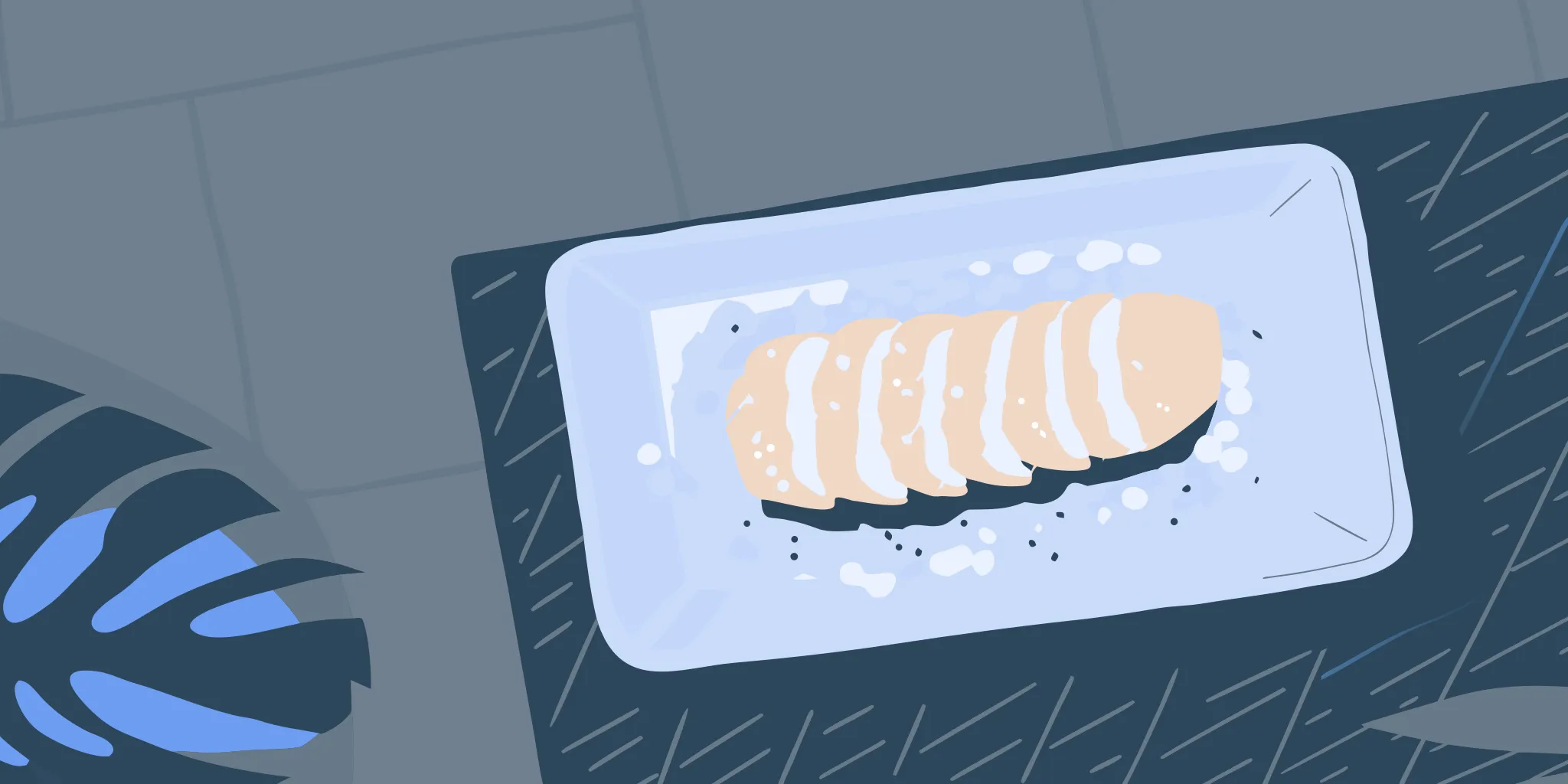
For many of us, chashu is that amazing, round slice of pork swimming in a perfect bowl of ramen. But what happens when you take that star ingredient and give it a different stage? You get the chashu bowl, the deconstructed, rice-based cousin to your favorite tonkotsu. It’s a dish that celebrates the rich, complex flavor of the pork itself, pairing it with the simple perfection of steamed rice. It’s a complete meal in its own right, beloved for its comforting and savory profile. This guide will explore every element, from the essential ingredients to the techniques for achieving that signature melt-in-your-mouth texture.
Key Takeaways
- Master the low-and-slow method: The secret to tender, juicy chashu is patience. Braise the pork belly for several hours, then let it cool completely in its cooking liquid overnight to deepen the flavor and make it easy to slice.
- The braising liquid is your sauce: Don't discard the flavorful liquid after cooking the pork. It's packed with savory goodness and can be drizzled over the rice and pork to tie the entire bowl together.
- Balance richness with fresh toppings: A great chashu bowl is all about contrast. Cut through the savory pork with fresh garnishes like crisp scallions or pickled ginger, and add a jammy soft-boiled egg for extra creaminess.
What is a Chashu Bowl?
If you've ever had a bowl of our ramen, you've likely savored those tender, round slices of pork that melt in your mouth. That's chashu. A chashu bowl, or chashu don, takes that star ingredient and gives it the spotlight it deserves, serving it over a bed of perfectly steamed rice. It’s a simple, comforting, and deeply satisfying dish that celebrates the rich flavor of slow-braised pork belly. It’s a staple in Japanese cuisine, beloved for its straightforward yet profound deliciousness.
While chashu is a classic ramen topping, the chashu bowl is a meal in its own right. It often comes with complementary toppings like a soft-boiled egg, crisp scallions, and a generous drizzle of the savory-sweet braising liquid that doubles as a sauce. It’s the kind of dish that feels both indulgent and incredibly comforting, perfect for a quick lunch or a satisfying dinner. Think of it as the deconstructed, rice-based cousin to your favorite bowl of tonkotsu. At Otaku Ramen, we pour the same love and attention into our chashu as we do our broth, because we know it’s a key part of what makes a meal here so memorable. Understanding what goes into this dish will give you a whole new appreciation for every single bite.
The Story Behind the Bowl
The story of chashu is a great example of how food travels and transforms. The name itself is a clue to its origins, coming from the famous Chinese barbecued pork, char siu—the kind you might see hanging in the window of a Cantonese restaurant. But just like its noodle-y partner, ramen, Japanese chashu evolved into something distinctly its own. Instead of being roasted, the Japanese method involves slowly braising the pork until it’s fall-apart tender. It’s a culinary journey from one culture to another, resulting in the savory, delicate slices we know and love today.
What Makes It So Special?
The magic of chashu lies in two things: the cut of meat and the cooking method. It all starts with pork belly, a cut prized for its layers of fat and meat. This fat is key, because as the pork belly is gently braised over low heat for hours, the fat renders down, basting the meat and making it incredibly succulent. This slow-cooking process is what creates that signature melt-in-your-mouth texture. After cooking, the pork is often rolled, tied, and chilled, which allows it to be sliced perfectly. Each slice is a perfect package of savory, juicy flavor that’s impossible to resist.
The Essential Ingredients for a Chashu Bowl
Before you can assemble the perfect chashu bowl, you need to gather the right components. Think of it like building a masterpiece—every layer adds flavor, texture, and visual appeal. A truly great chashu bowl is a symphony of savory pork, fluffy rice, a rich sauce, and fresh toppings that cut through the richness. It’s a dish that feels both comforting and special, something we strive for in every bowl we serve at our Nashville ramen shops.
The beauty of a chashu bowl is its simplicity, but that means the quality of each ingredient really matters. We’re going to walk through the three core elements: the base of rice and pork, the classic garnishes that finish the dish, and the all-important sauce that ties everything together. Getting these right is the key to recreating that ramen-shop flavor in your own kitchen. Don’t be intimidated by the list; once you have everything prepped, putting the bowl together is the easy and fun part.
Building Your Base: Rice and Chashu Pork
The foundation of any great chashu bowl is simple but crucial: a bed of warm, fluffy Japanese rice topped with incredibly tender chashu pork. The chashu is the star of the show. It’s a popular ramen topping made by slowly braising pork belly until it’s so soft it practically melts in your mouth. This combination of savory, fatty pork and neutral, slightly sticky rice creates a satisfying base that’s hearty and comforting. It’s this core pairing that makes the dish a complete meal and a staple in Japanese cuisine.
Classic Toppings and Garnishes
A traditional chashu bowl isn’t complete without a few classic toppings to add contrast and complexity. A soft-boiled egg, with its jammy yolk, is a must-have, adding a creamy richness that complements the pork. For the perfect ramen-style egg, boil it for exactly six minutes, then immediately move it to cold water for one minute before peeling. Fresh garnishes like thinly sliced scallions or nori (seaweed) not only make the bowl look beautiful but also add a fresh, sharp flavor that cuts through the richness of the pork and sauce.
Perfecting the Sauce
The sauce is what brings the entire chashu bowl to life. It’s a rich, savory, and slightly sweet liquid that gets drizzled over the pork and seeps into the rice below. A great chashu sauce typically starts with a base of soy sauce, mirin (sweet rice wine), sake, and a bit of sugar. From there, aromatics like ginger, garlic, and scallions are added to build layers of flavor. This is the same liquid the pork is often braised in, making it a concentrated elixir of savory goodness that ties every single ingredient in the bowl together.
How to Prepare Perfect Chashu Pork
The heart of any great chashu bowl is, of course, the chashu pork. Getting that perfectly tender, flavorful, melt-in-your-mouth slice is easier than you might think. It all comes down to three key things: choosing the right cut of meat, creating a rich braising liquid, and preparing the pork correctly before it even hits the pot. When you master these steps, you’ll be able to recreate that ramen shop magic right in your own kitchen. Let's walk through how to get it just right.
Choose the Right Cut of Pork Belly
To get that signature rich and tender chashu, you have to start with the right foundation. Pork belly with the skin off is the classic choice for a reason. The beautiful layers of fat and meat render down during the slow cooking process, creating an incredibly succulent texture. If you can't find a good piece of pork belly, pork shoulder is a solid alternative because it also has enough fat and connective tissue to become tender. The one thing you want to avoid is a lean cut like pork loin. It simply doesn't have the fat content needed to achieve that melt-in-your-mouth experience we're all after.
Master the Marinade and Braising Technique
The secret to chashu’s incredible flavor is the slow braise in a savory and slightly sweet liquid. This isn't a quick process, and that's a good thing—it gives the pork plenty of time to absorb all the deliciousness. Your braising liquid is a simple but powerful combination of soy sauce, mirin (a sweet Japanese rice wine), sake, and a bit of sugar. To build even more depth, you’ll add aromatics like scallions, fresh ginger, and garlic. As the pork simmers away, it soaks up every bit of this flavor, resulting in that perfect balance of salty and sweet that defines a great chashu pork recipe.
How to Roll and Tie for Tender Pork
This step might seem purely for presentation, but it’s actually a critical technique for juicy, evenly cooked pork. By rolling the pork belly into a tight log, you help it retain more moisture as it cooks. A flat piece of pork belly has more surface area, which can lead to it drying out faster. Securing the roll with kitchen twine ensures it holds its round shape throughout the braising process. This not only helps the pork cook evenly but also gives you those beautiful, round slices for your finished bowl. It’s a simple step that makes a huge difference in the final result.
Techniques for the Most Tender, Flavorful Chashu
Making great chashu pork at home isn't about complicated steps; it's about patience and a few key techniques. At Otaku Ramen, we’ve learned that how you treat the pork during and after cooking makes all the difference. These secrets transform a simple pork belly into the melt-in-your-mouth star of your chashu bowl. By focusing on the cooking time, the cooling process, and how you slice it, you can create a restaurant-quality experience right in your own kitchen.
The Magic of Low and Slow Cooking
If you want chashu that’s incredibly tender, you have to give it time. The key is to braise the pork belly over low heat for several hours. This gentle, slow cooking process breaks down tough connective tissues, turning them into rich, savory gelatin. The result is pork so soft you can cut it with a spoon. As the experts at MasterClass explain, top chefs "braise the pork belly over low heat for hours...and then rest it overnight in braising liquid." Don't rush this step. Let the heat work its magic for perfectly succulent pork.
Why You Should Marinate After Cooking
This might sound backward, but one of the best tricks for flavorful chashu is to marinate it after it’s cooked. Once the pork belly is done braising, let it cool completely in that same flavorful broth. As the pork cools, it reabsorbs the liquid, locking in moisture and deepening the flavor. According to a Serious Eats recipe, "Cooling it in the liquid helps it soak up more flavor and moisture." For the best results, transfer the pork and liquid to a sealed container and rest it in the fridge overnight.
How to Chill and Slice Like a Pro
Ever tried to slice warm pork belly and ended up with a shredded mess? The secret to those perfect, neat rounds is chilling the pork completely. After its overnight rest, the pork will be firm and cold, making it much easier to handle. The fat solidifies when chilled, allowing you to make clean, precise cuts without the meat falling apart. As one guide to succulent chashu pork points out, "Chilled pork is much easier to slice into neat rounds." Just use a sharp knife to slice it to your desired thickness.
Your Step-by-Step Chashu Bowl Recipe
Ready to build the chashu bowl of your dreams? It’s easier than you might think. Following these steps will help you bring the rich, comforting flavors of a ramen shop right into your own kitchen. Let’s walk through how to cook the pork, create the sauce, and assemble a bowl that looks as good as it tastes.
Cook the Chashu Pork
The secret to incredibly tender, fall-apart pork is cooking it low and slow. You’ll want to braise the pork belly for several hours, which gives the fat time to render and the meat to become unbelievably succulent. A great pro tip is to roll the pork belly into a tight log and secure it with kitchen twine before cooking; this helps the chashu keep its signature round shape. After it’s done braising, the most important step is patience. Let the pork rest overnight in its braising liquid. This allows it to soak up even more flavor and is key to getting that melt-in-your-mouth texture we all crave.
Make the Marinade and Sauce
The magic of chashu is in its rich, savory, and slightly sweet flavor, which all comes from the marinade. You don’t need a ton of complicated ingredients, just a few Japanese pantry staples. The classic combination is soy sauce, sake, mirin, and a bit of sugar. This creates a perfect balance of salty and sweet that defines the dish. The pork belly simmers away in this flavorful mixture, absorbing all that goodness as it cooks. And the best part? The leftover braising liquid becomes a delicious sauce. Don't throw it out! You can reduce it down to drizzle over your finished bowl for an extra layer of flavor. For a detailed ingredient list, this Serious Eats recipe is a fantastic guide.
Assemble Your Bowl
Now for the fun part—putting it all together! Once your chashu is cooked, rested, and sliced, it’s time to build your bowl. Start with a generous serving of steamed rice as your base. Arrange a few beautiful slices of your chashu pork over the top. From here, you can get creative with toppings. Traditional garnishes like sliced green onions, a sheet of nori (dried seaweed), and a perfectly jammy soft-boiled egg are always a great choice. They add texture, color, and fresh flavors that cut through the richness of the pork. For a little inspiration on how we do it, you can check out the bowls on our Otaku Ramen menu.
Tips for a Restaurant-Worthy Bowl
Want to make your homemade chashu bowl taste like it came from a professional kitchen? Here are a couple of simple tricks. First, try to make the chashu pork a day in advance. After it has cooled completely in its liquid, wrap it up and pop it in the fridge. Chilling the pork firms it up, making it much easier to get those clean, perfect slices you see in ramen shops. Second, as we mentioned before, that cooking liquid is pure gold. You can use it as a base for soup or simply spoon it over your rice. These small steps make a huge difference and ensure none of that amazing flavor goes to waste. For more great tips, MasterClass has some excellent advice for serving.
How to Make Your Chashu Bowl Your Own
Once you’ve mastered the basics of the chashu bowl, the real fun begins. This is your chance to get creative in the kitchen and tailor the dish to your exact tastes. Think of the classic recipe as your starting point—a delicious canvas ready for your personal touch. Whether you’re craving extra crunch, a bit more heat, or a lighter meal, a few simple tweaks can transform your bowl into something uniquely yours. At Otaku Ramen, we believe the best bowl of ramen (or in this case, a chashu bowl) is the one that makes you happy. Let’s explore a few ways you can customize your creation, from adding new toppings to adjusting the seasonings.
Topping Ideas to Try
Toppings are the easiest way to add texture, color, and fresh flavor to your chashu bowl. Beyond the classic soft-boiled ramen egg and sliced green onions, there’s a whole world of possibilities. For a refreshing crunch, try adding thinly sliced daikon radish or crisp cucumber. Pickled elements like ginger or other vegetables can cut through the richness of the pork with a bright, acidic note. You can also sprinkle on some toasted sesame seeds for a nutty flavor or add a sheet of nori for a savory, oceanic touch. For more inspiration, take a look at our menu to see how we pair different garnishes with our signature dishes.
Experiment with Sauces and Seasonings
The sauce is the soul of the chashu bowl, and you have complete control over its final flavor. The braising liquid—typically a mix of soy sauce, sake, sugar, and aromatics like ginger—is already packed with deep, savory notes. You can adjust the sweetness or saltiness to your liking or add a splash of mirin for more complexity. Don't be afraid to introduce a little heat with a dash of chili oil or a sprinkle of shichimi togarashi. A few drops of toasted sesame oil just before serving can also add a wonderful, nutty aroma. And remember, that flavorful braising liquid is gold; don’t throw it out! Use it to season rice or stir-fries later.
Making It Work for Your Diet
Chashu pork, made from pork belly, is wonderfully rich and indulgent. If you’re looking for a lighter meal, you can still enjoy all the flavors of a chashu bowl with a few simple adjustments. The key is balance. You can load up your bowl with a generous amount of fresh and steamed vegetables to add nutrients and fiber. Consider using a bit less of the sauce to manage the sodium and sugar content. You can also serve a smaller portion of the chashu pork and pair it with a simple side salad. Customizing your bowl is all about making it work for you and your lifestyle, something we’re passionate about with our catering options.
Is a Chashu Bowl Healthy?
Let's be honest: when you’re craving a rich, savory chashu bowl, you’re probably thinking more about flavor than nutrition. And that’s perfectly okay! A chashu bowl is a deeply satisfying meal, meant to be an indulgence. Like many of our favorite comfort foods, it’s all about balance. Understanding what goes into the bowl can help you enjoy it as part of a well-rounded diet.
The star of the show, chashu pork, is made from pork belly, a cut known for its high fat content—that’s what makes it so incredibly tender and delicious. Paired with a base of fluffy white rice and a sweet and savory sauce, it’s a combination that’s hard to beat. While it might not be your go-to daily lunch, it’s a dish that delivers on protein and pure happiness. The key is knowing how to fit this amazing meal into your life in a way that feels good for you.
A Look at the Nutrition
Chashu pork is an excellent source of protein, which keeps you full and satisfied, and it also provides essential vitamins like B12. The main thing to be aware of is that it’s made from pork belly, a cut that is naturally high in fat. This fat is what creates that signature melt-in-your-mouth texture. The marinade, typically a mix of soy sauce, mirin, and sugar, also means the pork has significant levels of sodium and sugar. Think of it as a decadent treat—something to be savored and enjoyed for its rich, complex flavors rather than its nutritional profile.
What About the Sodium?
One of the defining characteristics of chashu is its perfect balance of salty and sweet flavors. That incredible taste comes from the braising liquid, which is rich in soy sauce. While this is essential for creating authentic chashu, it does mean the dish is high in sodium. If you’re monitoring your sodium intake, this is something to keep in mind. When making a chashu bowl at home, you have more control over the ingredients and can adjust the amount of soy sauce in your marinade. When you’re dining out at a place like Otaku Ramen, you can always balance your meal with plenty of water.
How to Build a Healthier Bowl
If you want to make your homemade chashu bowl a bit more balanced, you have plenty of options. The easiest way is to load it up with vegetables. Adding stir-fried Napa cabbage, carrots, steamed bok choy, or a big handful of bean sprouts can add nutrients, fiber, and a refreshing crunch that cuts through the richness of the pork. You can also control your portion sizes, using a little less rice or pork and adding more veggies. Another simple trick is to go lighter on the sauce or add a splash of water to it for a less concentrated flavor. It’s all about creating a bowl that you love and that works for you.
Fun Chashu Bowl Variations to Try
Once you’ve perfected the classic chashu bowl, you can start having some real fun with it. Think of the original recipe as your foundation—a delicious, reliable base that you can either honor with traditional preparations or use as a launchpad for your own creative ideas. Whether you’re a purist who loves authentic Japanese flavors or an adventurous cook who enjoys mixing things up, the chashu bowl is incredibly versatile.
Exploring different variations is a great way to keep your meals exciting and find new flavor combinations you love. You can stick to time-honored styles found in ramen shops across Japan or get inventive in your own kitchen by using different toppings, sauces, and sides. The best part is that there’s no right or wrong way to do it. It’s all about creating a bowl that makes you happy.
Classic Japanese Styles
The most traditional variation is the Chashu Don, a beloved Japanese pork rice bowl. This dish is simple yet deeply flavorful, letting the star ingredient shine. It features slices of that tender, sweet, and savory chashu pork served over a bed of warm, fluffy Japanese rice. Classic toppings are minimal to complement, not overpower, the pork. You’ll often find it garnished with fresh green onions, crisp pickled ginger, and a perfectly jammy ramen-style egg. This style celebrates the melt-in-your-mouth texture of chashu, the same kind we love in our ramen dishes. It’s a comforting, classic meal that truly honors the art of slow-braised pork.
Creative Twists on the Original
If you’re feeling inventive, your chashu bowl can become a canvas for all sorts of delicious experiments. The beauty of this dish is how easily you can customize it based on your cravings or what you have in the kitchen. Since chashu is so rich, try balancing it with fresh, stir-fried vegetables like Napa cabbage, bok choy, or carrots for a bit of crunch and lightness. You could also add a kick with a drizzle of chili oil, some kimchi for a tangy punch, or crispy fried shallots for texture. Don’t be afraid to play around—this is your chance to put your own spin on a classic, inspired by the same passion for flavor that drives our story.
Bring the Ramen Shop Experience Home
Making a truly great chashu bowl at home is all about nailing the details. While you can always swing by one of our Nashville locations for a quick fix, mastering this dish in your own kitchen is a rewarding experience. Here are a few tips to help you get that restaurant-quality flavor and texture every time.
Gear and Prep Tips for Success
You don’t need a professional kitchen to make incredible chashu, but a little patience goes a long way. The secret is a low, slow braise that allows the pork belly to become incredibly tender and absorb all the flavor from the marinade. To get that classic round shape you see in ramen shops, chefs prepare the pork belly by rolling it into a log and securing it with kitchen twine before cooking. This step isn't just for looks; it also helps the pork cook evenly.
After braising, the final pro tip is to let the pork rest overnight in its braising liquid. This allows the flavors to deepen and makes the meat even more succulent. It’s a simple step that makes a huge difference in the final result.
How to Store and Reheat Leftovers
This recipe makes a generous amount of chashu, which is great because the leftovers are fantastic. For the best results, let the cooked pork cool completely in its braising liquid in the fridge. Chilling the pork makes it firm, which allows you to slice it into neat rounds without it falling apart.
Once sliced, you can keep your chashu in an airtight container in the fridge for up to five days. For longer storage, you can freeze slices in small portions for up to two months, making it easy to pull out just what you need for a quick weeknight meal. To reheat, simply pan-sear the slices for a minute or two on each side or gently warm them in a bit of ramen broth.
What to Serve with Your Chashu Bowl
While chashu is a classic ramen topping, it’s incredibly versatile. The rich, savory pork is delicious served over a simple bowl of steamed rice for a dish known as chashu don. Drizzle a little of the braising liquid over the top for an easy and satisfying meal.
Don’t be afraid to get creative with your leftovers. Sliced chashu is a fantastic addition to fried rice, noodle stir-fries, or even sandwiches. It also tastes delicious in a salad, adding a punch of savory flavor that pairs well with crisp greens and a light vinaigrette. Think of it as your new secret weapon for adding amazing flavor to almost any dish.
Related Articles
- Authentic Chashu Ramen: The Ultimate Guide | Otaku Ramen
- Easy Ramen & Rice Bowl Recipe: A Step-by-Step Guide | Otaku Ramen
- How to Make the Perfect Chicken Teriyaki Rice Bowl | Otaku Ramen
Frequently Asked Questions
What's the real difference between a chashu bowl and just getting extra chashu in my ramen? Think of it in terms of the main event. In a bowl of ramen, the chashu is a fantastic supporting actor, adding richness to the broth and noodles. In a chashu bowl, or chashu don, the pork is the undisputed star of the show. The dish is built around those tender slices, served over a simple bed of rice with a drizzle of sauce, allowing you to fully appreciate the deep, savory flavor and melt-in-your-mouth texture of the pork itself.
I don't have a lot of experience with Japanese cooking. Is making chashu pork difficult? Not at all! The recipe is much more about patience than it is about complicated skills. The most important part is the low-and-slow cooking process, which does all the heavy lifting for you. As long as you give the pork several hours to gently braise, you’ll be rewarded with incredibly tender results. It’s a perfect weekend project that seems impressive but is actually quite straightforward.
Do I really need to use pork belly? Are there any good substitutes? Pork belly is the classic choice for a reason—its layers of fat render down during cooking, creating that signature succulent texture. It’s what gives chashu its famous richness. However, if you can’t find a good cut of pork belly, pork shoulder is a solid alternative. It has enough fat and connective tissue to become wonderfully tender after a long, slow braise. Just be sure to avoid lean cuts like pork loin, as they will end up dry.
My pork always falls apart when I try to slice it. What am I doing wrong? This is a super common issue, and the fix is simple: you have to chill the pork completely before slicing. After the chashu is done cooking, let it cool and then rest in the refrigerator, still in its braising liquid, for at least a few hours or preferably overnight. This firms up the meat and solidifies the fat, allowing you to use a sharp knife to get those clean, perfect, restaurant-style rounds without any shredding.
What's the best way to use up leftover chashu pork? Leftover chashu is a fantastic ingredient to have on hand. Beyond making another rice bowl, you can chop it up and add it to fried rice for an instant flavor upgrade. The savory slices are also incredible in a stir-fry with noodles and vegetables or even tucked into a sandwich or bao bun. It’s a versatile way to add a rich, savory element to all sorts of quick meals throughout the week.