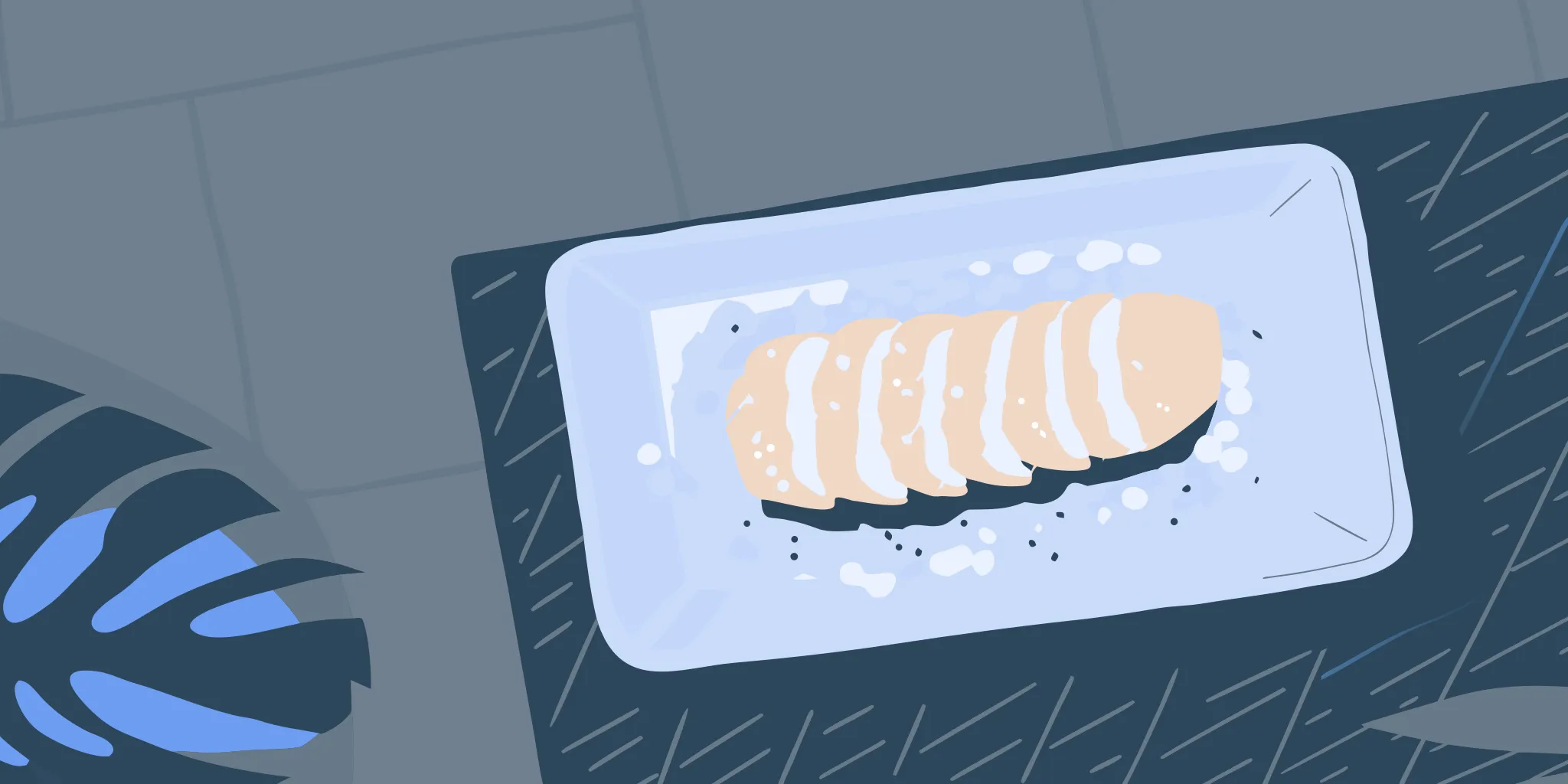
Everyone knows that chashu is the crown jewel of a great ramen bowl, but its potential doesn't stop there. This incredibly tender, savory-sweet pork is one of the most versatile things you can make in your kitchen. Once you master the basic recipe, a world of delicious possibilities opens up. Think beyond the bowl: fluffy bao buns, flavorful fried rice, or even a next-level sandwich. This guide will not only show you how to create the perfect chashu pork belly from scratch but will also give you plenty of creative ideas for using every last bite, ensuring none of your delicious work goes to waste.
Key Takeaways
- Patience is the secret ingredient: The key to unbelievably tender chashu is a low-and-slow braise. Cooking the pork belly gently for several hours allows the fat and collagen to break down, creating that signature melt-in-your-mouth texture.
- Master the simple flavor base: You don't need a complex recipe for authentic chashu. The classic savory-sweet flavor comes from a core group of ingredients: soy sauce, mirin, sake, and aromatics like ginger and garlic.
- Chill before you slice: For clean, beautiful slices that don't fall apart, let your cooked chashu cool completely in its braising liquid overnight. This step not only firms up the meat for easy cutting but also deepens its flavor.
What is Chashu Pork Belly?
If you’ve ever had a truly great bowl of ramen, you know the toppings are just as important as the broth and noodles. And sitting right on top, like a crown jewel, is often a tender, savory slice of pork that seems to dissolve the moment it hits your tongue. That, my friend, is chashu. It’s a staple of authentic ramen and a testament to the magic of slow cooking. At its heart, chashu is about transforming a simple cut of pork belly into something rich, flavorful, and unbelievably tender. It’s a key part of what makes a bowl of our Tennessee Tonkotsu so satisfying, and understanding what makes it special will give you a whole new appreciation for your next bowl.
The Story Behind Japan's Favorite Ramen Topping
So, what exactly is chashu? It’s a popular Japanese dish made by rolling pork belly, tying it, and then braising it low and slow in a sweet and savory liquid. The braising sauce is typically a mix of soy sauce, mirin, sake, and sugar, which seeps into the meat over several hours, making it incredibly juicy and flavorful. The goal is to cook it until the fat renders and the meat becomes so tender it practically melts in your mouth. While it’s the star topping for ramen, chashu is also delicious served over a simple bowl of rice (a dish called chashu don). It’s a cornerstone of Japanese ramen culture, and our dedication to the craft is something we pour into every batch we make.
Chashu vs. Char Siu: What's the Difference?
You might have heard of char siu, the bright red, barbecued pork common in Chinese cuisine, and wondered if it’s the same thing. While the names sound similar—and Japanese chashu was inspired by Chinese char siu—they are distinctly different. The biggest difference lies in the cooking method. Chinese char siu is roasted or barbecued, giving it a firmer texture and a smoky, slightly sweet flavor. Japanese chashu, on the other hand, is gently braised or simmered for hours. This process results in that signature soft, succulent texture that falls apart with the gentle nudge of a chopstick. The flavor profiles are also different; where char siu often uses honey and five-spice powder, chashu gets its deep, savory flavor from classic Japanese pantry staples.
Gather Your Ingredients for Perfect Chashu
Great chashu starts with great ingredients. Before you even think about turning on the stove, let's walk through what you’ll need to create this iconic ramen topping at home. The good news is that the list isn't a mile long, and you can likely find everything at your local grocery store. The magic of chashu comes from using a few key items that work together to create that incredible sweet and savory flavor profile. Think of this as building your flavor foundation. Getting these components right is the first and most important step toward creating pork belly that’s so tender it practically melts. We’ll cover the star of the show—the pork belly—and the essential liquids and aromatics that create the braising sauce. With the right ingredients in hand, you're already halfway to making a dish that will rival your favorite ramen shop. It’s a simple combination, but one that delivers complex, satisfying results every time. This section will guide you through selecting the perfect cut of pork, mixing the braising liquid that gives chashu its signature taste, and choosing the right aromatics to round out the flavor. Getting these details right is how you build layers of flavor, turning a simple piece of meat into something truly special.
Pick the Right Cut of Pork Belly
For that signature, melt-in-your-mouth texture, you absolutely want to use pork belly. This cut is the perfect canvas for chashu because its generous layers of fat render down during the slow cooking process, basting the meat and making it incredibly succulent and tender. When you’re at the store or the butcher, look for a skin-on or skin-off slab (either works!) with a nice, even ratio of fat to meat. This balance is what creates the rich flavor and juicy bite we all crave. Chashu is the Japanese version of the Chinese dish char siu, but its slow-braising method is what sets it apart and makes pork belly the ideal choice.
Mix Your Braising Liquid
The braising liquid is where all the savory, salty, and sweet magic happens. This is what will slowly seep into the pork, giving it that deep, complex flavor. Your core four ingredients are soy sauce, sake, mirin, and a little sugar. Soy sauce provides the salty, umami backbone. Sake, a Japanese rice wine, adds depth and helps tenderize the meat. Mirin, a sweet rice wine, gives the chashu its beautiful glaze and a touch of sweetness that balances the salt. A bit of sugar rounds it all out. This combination creates the classic flavor you’ll find in the bowls on our menu.
Add Flavor with Aromatics
Aromatics are the supporting actors that make your star ingredient shine. For chashu, the essential trio is ginger, garlic, and the white and light green parts of green onions (negi). These ingredients do more than just add flavor; they work to cut through the richness of the pork and neutralize any unwanted "porky" smells, leaving you with a clean, fragrant, and deeply savory result. You don't need to be precise here—just give the ginger and garlic a rough chop or smash to release their oils. They'll infuse the braising liquid and the pork belly with a subtle warmth and freshness that completes the dish.
Get That Melt-in-Your-Mouth Texture
The hallmark of great chashu is that incredible, fall-apart tenderness. Achieving this at home isn't a secret; it’s about patience and treating the pork belly right. The magic happens through slow braising, precise temperature control, and letting the pork’s natural fat and collagen work for you. When you master this, the tough connective tissues break down and the fat renders beautifully, basting the meat from the inside out. The result is a rich, juicy slice of pork that perfectly complements any bowl of ramen.
Why Slow Braising is Key
First, let's clear up a common mix-up. Japanese chashu isn't the same as Chinese char siu. Char siu is typically roasted pork shoulder, while chashu is a tender, savory braised pork belly that’s slowly simmered in a flavorful liquid. This slow braising is the entire secret to its signature texture. It’s the key topping for a rich bowl of ramen, especially the creamy tonkotsu we serve at our Nashville shops. The gentle, consistent heat of the braise slowly breaks down the meat, making it succulent and soft.
Control Your Temperature
If you remember one thing, let it be this: low and slow is the only way to go. High heat makes the muscle fibers seize up, leaving you with tough, dry meat. The goal is to keep the braising liquid at a very gentle simmer. The easiest way to do this is by cooking it in a low-temperature oven, around 275°F. This steady heat keeps the liquid at the perfect temperature—between 180°F and 190°F—without you having to constantly adjust a burner. This gentle heat gives the fat and collagen time to melt, ensuring every bite is perfectly tender.
How Fat and Collagen Create Tenderness
Pork belly is the ideal cut for chashu because its layers of fat and meat are packed with collagen. During the slow braise, two wonderful things happen. First, the fat renders, infusing the meat with incredible flavor and moisture. Second, the tough collagen in the connective tissues breaks down and transforms into silky gelatin. This combination is what creates that signature rich, juicy texture that literally melts in your mouth. It’s a beautiful process that turns a tough cut of meat into something incredibly tender.
How to Make Chashu Pork Belly: Step-by-Step
Alright, let's get cooking! Making chashu at home might seem like a big project, but it's really just a series of simple steps. The magic is all in the slow braise, which does most of the work for you. We're going to walk through the process together, from rolling the pork belly to letting it simmer in a rich, flavorful broth. Before you know it, you'll have tender, juicy chashu that's ready to top your favorite bowl of ramen or a simple scoop of rice.
Roll and Tie Your Pork
First things first, let's get the pork belly ready. Rolling it into a tight log and securing it with kitchen twine helps it cook evenly and gives you those beautiful, round slices you see at ramen shops. Lay your pork belly flat, skin-side down. Starting from one of the long sides, roll it up as tightly as you can. Then, use kitchen twine to tie it off every inch or so to make sure it holds its shape while it cooks. This simple step is the secret to a great presentation.
Sear for a Flavorful Crust
Next up is searing. This is where you start building those deep, savory flavors. Heat a bit of neutral oil in a heavy-bottomed pot or Dutch oven over medium-high heat. Once the pan is hot, carefully place your tied pork belly roll inside. As the experts at Just One Cookbook explain in their guide to homemade chashu, you'll want to cook the pork until all sides are a beautiful golden brown. This step isn't just for color—it creates a delicious crust that adds a ton of flavor to the final dish.
Create the Braising Liquid
Now for the heart of the dish: the braising liquid. This sweet and savory sauce is what transforms the pork belly into classic chashu. In the same pot you used for searing, you'll combine the key ingredients. A great chashu recipe uses a classic mix of soy sauce, mirin (a sweet rice wine), sake, and a little sugar. To this, you'll add aromatics like smashed garlic cloves, thick slices of ginger, and the green parts of scallions. This combination creates a perfectly balanced liquid that the pork will soak up as it cooks.
Braise to Perfection
This is the final and most important step: the braise. Place your seared pork roll back into the pot with the braising liquid. Make sure the liquid comes about halfway up the sides of the pork. Bring it to a simmer, then reduce the heat to low, cover the pot, and let it gently cook. You'll want to braise the pork for at least two hours, turning it every 30 minutes or so to ensure it cooks evenly. The goal is to cook it low and slow until it's incredibly tender.
Try These Chashu Variations
While rich, fatty pork belly is the star of the show in most ramen shops, the beauty of chashu is its versatility. Once you've mastered the basic braising technique, you can experiment with different cuts of meat to find what you love best. Whether you're craving the classic, looking for something a little lighter, or don't eat pork at all, there's a chashu variation for you. Here are a few of our favorites to try at home.
The Classic Rolled Pork Belly
This is the chashu you know and love from your favorite ramen bowl. The traditional approach uses pork belly, which is rolled, tied, and then slowly simmered in a sweet and savory sauce until it's unbelievably tender. This classic Japanese dish made from pork belly is famous for its rich flavor and melt-in-your-mouth texture, thanks to the perfect balance of meat and fat. When sliced thin, it drapes beautifully over noodles and soaks up all that delicious broth. If you want to recreate that authentic ramen shop experience, starting with rolled pork belly is the way to go.
A Lighter Pork Loin Version
If pork belly feels a bit too indulgent, you can easily make a leaner version of chashu. Using a cut like pork loin or shoulder gives you a fantastic result with less fat but all the same savory, sweet flavor. The cooking process is nearly identical—you'll still braise it low and slow until it's tender and juicy. This variation is a great way to enjoy chashu more often, and it slices beautifully for rice bowls or sandwiches. It’s a testament to how adaptable the chashu pork recipe can be, allowing you to tailor it to your own taste.
Not a Pork Fan? Try Chicken Chashu
You don't have to miss out on tender, flavorful chashu just because you don't eat pork. Chicken chashu, or tori chashu, is a wonderful alternative that's becoming more popular. Typically made with chicken thighs, this version is rolled and braised in the same delicious sauce until it’s succulent and soft. The result is a lighter, yet deeply flavorful topping that pairs perfectly with any ramen broth. Making tori chashu is a fantastic way to put a different spin on your homemade ramen, offering that same comforting, melt-in-your-mouth experience with a poultry twist.
How to Slice and Serve Your Chashu
You’ve put in the time to braise your pork belly to tender perfection, and now it’s time for the final, crucial step: serving it. How you slice and present your chashu can make all the difference, turning a good dish into an unforgettable one. Whether you’re adding it to a steaming bowl of ramen or creating a savory rice bowl, these tips will help you serve your chashu like a pro. It’s all about showcasing that rich flavor and melt-in-your-mouth texture you worked so hard to create.
Slice It Right for the Best Texture
Patience is your best friend when it comes to slicing chashu. For the cleanest cuts and best texture, you absolutely must chill the pork overnight in its cooking liquid. This step is a game-changer. It not only allows the meat to soak up even more of that savory, sweet flavor, but it also firms up the pork belly, making it much easier to slice without it falling apart. When you’re ready, use a sharp knife to cut slices that are about a quarter-inch thick. This thickness is ideal for getting a satisfying bite that’s still delicate enough to melt in your mouth.
Top Your Favorite Ramen
Chashu is the undisputed star topping for a reason—it’s the perfectly tender addition to your ramen bowl. The rich, fatty pork belly beautifully complements the complex broth and chewy noodles, adding a layer of savory depth that completes the experience. At our Otaku Ramen locations, we know that a great bowl of ramen is all about the harmony of its ingredients, and chashu is essential to that balance. Gently place a few slices on top of your noodles just before serving, letting the warm broth heat them through. You can also give the slices a quick sear in a hot pan for crispy edges.
Make a Chashu Don (Rice Bowl)
Don’t limit your delicious chashu to just ramen. One of the best ways to enjoy it is in a chashu don, a simple yet incredibly satisfying rice bowl. Just serve a few slices of chashu over a bed of steaming white rice, drizzle some of the leftover braising liquid on top, and add toppings like a soft-boiled egg, scallions, or pickled ginger. This isn't just a way to use leftovers; it's a fantastic meal in its own right. You can also get creative by making chashu fried rice, stuffing it into bao buns, or adding it to sandwiches for a flavorful upgrade.
Don't Waste a Bite: Ideas for Leftover Chashu
Making chashu pork belly is a labor of love, so don't let any of that savory goodness go to waste. Luckily, leftover chashu is incredibly versatile. If you find yourself with extra slices—a great problem to have!—here are a few simple and delicious ways to give them a second life beyond the ramen bowl.
Whip Up Chashu Fried Rice or Noodles
One of the easiest ways to use leftover chashu is to make fried rice. Simply dice the pork and toss it into a hot skillet with day-old rice, scrambled egg, and your favorite veggies like peas and scallions. The rendered fat from the pork adds an incredible depth of flavor that you just can't get from anything else. This method also works beautifully with noodles for a quick stir-fry. You can create a simple chashu fried rice that rivals any takeout spot, turning your leftovers into a brand-new, satisfying meal.
Use the Braising Liquid for Marinated Eggs
Don't pour that flavorful braising liquid down the drain! That stuff is pure gold and the secret to making incredible ramen eggs, or ajitsuke tamago. After you’ve removed your pork, strain the liquid and let it cool. Gently place some soft-boiled, peeled eggs into the liquid and let them marinate in the fridge for at least a few hours. The eggs will absorb all the savory, sweet, and umami notes from the chashu braise. It’s the perfect way to prepare authentic ramen eggs to complete your next bowl.
Level Up Your Sandwiches
Who says chashu only belongs in a bowl? Sliced chashu makes for an unbelievable sandwich filling. Try tucking it into a soft brioche bun or a fluffy steamed bao for a fantastic lunch. The rich, tender pork pairs wonderfully with crisp, tangy elements. Add some quick-pickled cucumbers, a sprinkle of fresh cilantro, and a drizzle of spicy mayo to cut through the richness. This simple preparation transforms your chashu into a gourmet pork belly sandwich that’s perfect for a quick and impressive meal.
Common Chashu Mistakes to Avoid
Making chashu pork belly at home can feel like a big project, but it’s incredibly rewarding. After a few attempts, I’ve learned that the difference between good chashu and truly unforgettable, melt-in-your-mouth chashu often comes down to avoiding a few common slip-ups. It’s all about paying attention to the details during preparation, being patient with your cooking process, and knowing how to handle the finished product.
Getting these things right will ensure your pork is tender, juicy, and packed with flavor every single time. Let’s walk through some of the most frequent mistakes so you can sidestep them on your way to ramen perfection. Whether you're a first-timer or looking to refine your technique, these tips will help you create chashu that rivals your favorite ramen shop. And if you need a little inspiration, you can always see how the pros do it by visiting one of our Nashville locations.
Watch Out for Prep and Cooking Errors
Great chashu starts long before the pork hits the pot. A crucial first step that many people skip is searing the meat. Taking a few minutes to brown the outside of your pork belly roll creates a deep, savory crust that adds a huge amount of flavor. Another key is to roll the pork belly tightly into a log and secure it with kitchen twine. This isn’t just for looks; it helps the meat cook evenly and stay incredibly juicy. For an easier time rolling and searing, ask your butcher to remove the skin and ribs from the pork belly before you even bring it home.
Get Your Temperature and Timing Right
Patience is the secret ingredient for tender chashu. It’s tempting to crank up the heat to speed things up, but that’s a fast track to tough, dry meat. The magic happens when you braise the pork low and slow. Cooking it in a low-temperature oven or keeping the liquid at a gentle simmer on the stovetop prevents the muscle fibers from seizing up. Plan for about three to four hours of cooking time for the fat and collagen to break down completely. Once it’s done, resist the urge to slice it right away. Letting the pork cool completely in its braising liquid—ideally overnight in the fridge—allows it to absorb even more flavor and makes it firm enough for clean, beautiful slices.
Store and Reheat It Properly
Proper storage doesn’t just preserve your chashu; it can even make it better. Once your pork has cooled in its braising liquid, you can store it in the fridge for up to a week or freeze it for about a month. Before storing, skim the solidified fat from the top of the liquid and save it—it’s amazing for cooking. The remaining liquid is pure gold and can be used to make delicious marinated ramen eggs or as a base for other sauces. When you’re ready to serve, reheat the chashu gently. You can place cold slices directly into a steaming bowl of ramen or warm them in a pan with a splash of the reserved braising liquid until they’re heated through.
What to Serve with Chashu
Once you've perfected your melt-in-your-mouth chashu, the fun part begins: deciding how to serve it. While it's the undisputed star of a great bowl of ramen, this savory pork belly is incredibly versatile. Whether you're sticking to tradition or getting creative in the kitchen, here are some of my favorite ways to enjoy chashu.
Perfect Ramen Pairings
Chashu in a bowl of ramen is a match made in heaven. Its rich, savory flavor is the perfect centerpiece for a symphony of toppings. A classic pairing is the ajitsuke tamago, a marinated soft-boiled egg with a jammy, golden yolk that beautifully complements the tender pork. Add some crunchy bamboo shoots (menma), a sprinkle of fresh scallions, and a sheet of crisp nori to create a bowl with layers of texture and taste. Each ingredient plays a role, balancing the richness of the pork and broth. For inspiration, you can see how we build our bowls on the Otaku Ramen menu.
Delicious Rice and Side Dishes
Don't limit your chashu to just ramen! One of the simplest and most satisfying ways to enjoy it is in a chashu don, a Japanese rice bowl. Just lay slices of warm chashu over a bed of steaming white rice and drizzle some of that flavorful braising liquid over the top. It’s pure comfort food. If you have leftovers, dicing them up for chashu fried rice is a brilliant move. The pork gets a little crispy and infuses the entire dish with its savory goodness. For a complete meal, serve it alongside simple steamed greens like bok choy or a refreshing cucumber salad.
Related Articles
- Authentic Chashu Ramen: The Ultimate Guide | Otaku Ramen
- How to Make Delicious Pork Bao Buns from Scratch | Otaku Ramen
- Shoyu Ramen: The Ultimate Guide from Broth to Bowl | Otaku Ramen
Frequently Asked Questions
Why did my chashu turn out tough instead of tender? This is a super common issue, and it almost always comes down to two things: heat and time. If the pork is cooked too quickly at a high temperature, the muscle fibers tighten up, resulting in a tough texture. The secret to that signature melt-in-your-mouth feel is a low, gentle simmer over several hours. This gives the fat and tough connective tissues time to break down into silky gelatin, which is what makes the pork so succulent. Be patient and trust the low-and-slow process.
Is rolling and tying the pork belly really necessary? While you can definitely make delicious chashu without this step, rolling and tying the pork belly does a couple of important things. It helps the meat cook more evenly, ensuring the entire piece becomes perfectly tender. It also gives you those beautiful, round slices you see in a classic bowl of ramen. If you're short on time or don't have kitchen twine, you can simply braise the slab flat. It will taste just as amazing, but the shape will be different.
Can I make chashu in a slow cooker or pressure cooker? Absolutely! These tools are great for making chashu. For a slow cooker, you can sear the pork and then transfer everything to the pot to cook on low for 6-8 hours for an incredibly tender result. A pressure cooker, like an Instant Pot, is a fantastic shortcut. After searing, you can cook the pork on high pressure for about 45-60 minutes. The texture will be wonderfully soft, though you may want to reduce the braising liquid on the stovetop afterward to thicken it into a glaze.
What's the best way to store and reheat leftover chashu? The best way to store your chashu is right in its braising liquid in an airtight container in the fridge. This keeps it moist and allows it to soak up even more flavor. It will last for up to a week this way. When you're ready to eat it, you can gently warm the slices in a pan with a splash of the braising liquid or simply place the cold slices directly into a hot bowl of ramen broth, which will heat them perfectly.
My pork belly came with the skin on. Should I remove it? This is mostly a matter of personal preference. Leaving the skin on will result in a slightly chewier, gelatinous layer on your finished chashu, which some people love. However, for that classic, ultra-tender texture that seems to dissolve in your mouth, it's best to use skinless pork belly. If you're not comfortable removing it yourself, you can always ask the butcher to do it for you when you buy it.