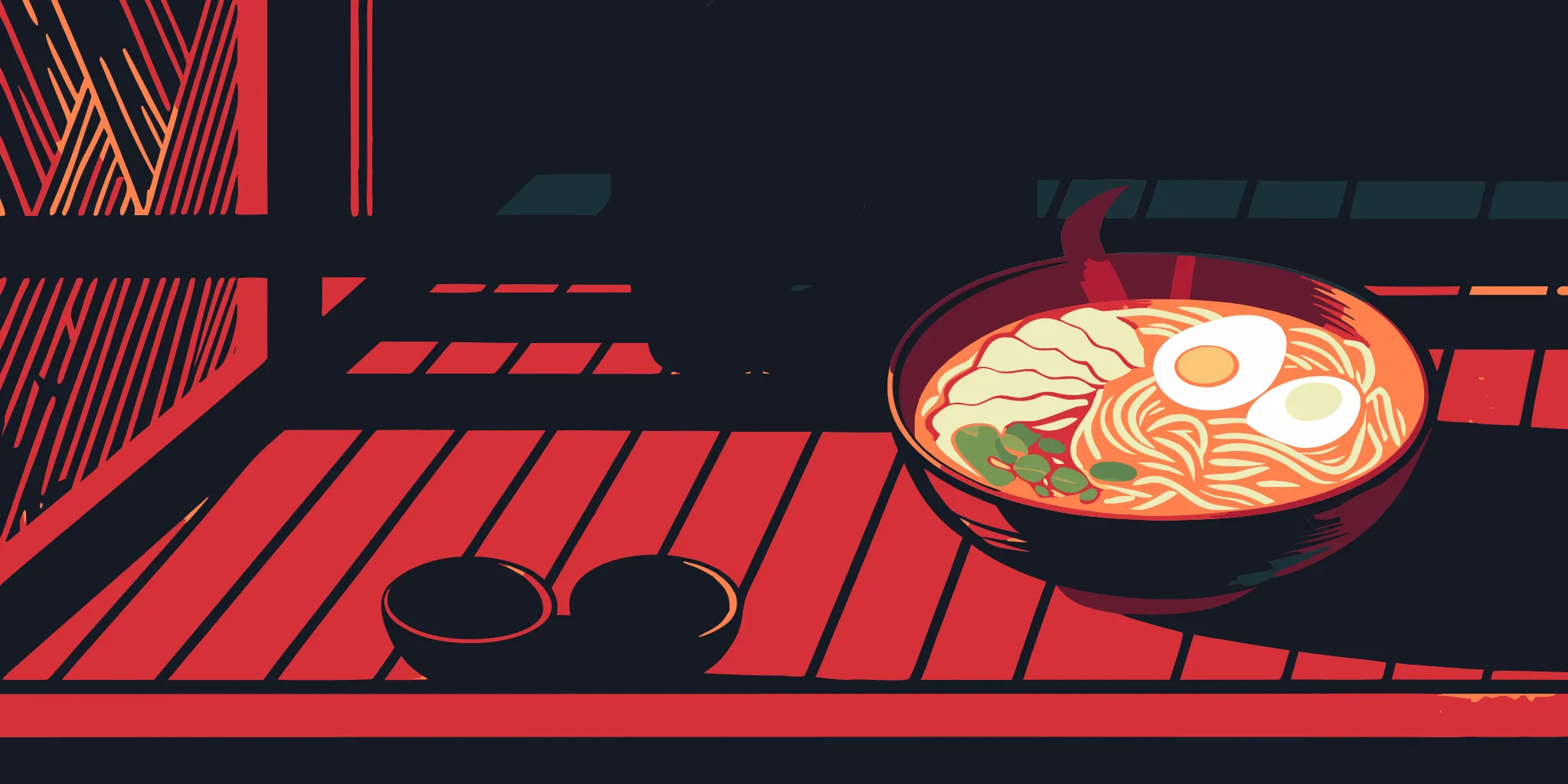
Think of a perfect bowl of ramen as a team of all-stars working together. You have the broth, which is the soul of the dish; the tare, or seasoning base, which provides its personality; the noodles, which give it body; and the toppings, which add heart and character. To make exceptional ramen, you need to give each component the attention it deserves. This guide is designed to do just that. We’ll walk you through the process of creating each element for a classic chicken shoyu ramen, from simmering a rich and clear chicken stock to mastering the art of the jammy ramen egg. Get ready to assemble your dream team.
Key Takeaways
- Build flavor with a two-part approach: A rich, clear broth comes from simmering roasted chicken low and slow. The final, savory punch of flavor comes from the tare, a concentrated seasoning base you add to each bowl just before serving.
- Always cook noodles separately: To get that perfect chewy texture and keep your broth clear, cook your ramen noodles in a separate pot of boiling water. This simple step prevents a starchy, cloudy broth and ensures your noodles aren't gummy.
- Prepare your toppings in advance: Making components like chashu chicken and marinated ramen eggs a day or two ahead not only saves you time but also allows their flavors to deepen. This is the key to assembling a restaurant-quality bowl without the stress.
What Exactly Is Chicken Shoyu Ramen?
If you're just starting to explore the world of ramen, chicken shoyu is the perfect place to begin. Think of it as a classic Japanese noodle soup that hits all the right notes. At its heart, it’s a clear, savory chicken broth seasoned with shoyu, which is the Japanese word for soy sauce. This isn't just any soy sauce, though—it's the key ingredient that creates a broth with a deep, satisfying umami flavor that perfectly balances saltiness with a hint of sweetness. It's lighter than its creamy counterparts but packs a serious flavor punch.
When you order a bowl of our Tennessee Tonkotsu, you’re getting a rich, pork-based broth, but our chicken shoyu offers a different kind of delicious experience. The broth is the star, but it’s served with springy ramen noodles and a variety of toppings that add texture and complexity. It’s a comforting, well-rounded dish that showcases the simple elegance of Japanese cuisine. Every slurp tells a story of carefully balanced ingredients, from the slow-simmered broth to the perfectly cooked noodles. It’s a foundational ramen that has stood the test of time for a reason, and it's a fantastic way to appreciate the craft behind a great bowl.
How It's Different From Other Ramen
Walk into any ramen shop, and you'll see a menu with options like tonkotsu, miso, and shio. So, what makes shoyu stand out? It all comes down to the broth. While tonkotsu is famous for its rich, creamy pork-bone broth, shoyu ramen features a clear, brown broth made from a chicken or seafood stock seasoned with a soy sauce base. This gives it a lighter body but a deeply savory and slightly tangy flavor that’s incredibly satisfying. You can immediately see the difference—tonkotsu is opaque and milky, while shoyu is translucent and dark. It’s a popular style of ramen that offers a clean yet profound taste.
The Story Behind Shoyu Ramen
Shoyu ramen isn’t just delicious; it has a rich history that dates back to Tokyo in the early 1900s. The story begins when Chinese immigrants introduced noodle-making techniques to Japan. Over time, local cooks began adding Japanese soy sauce to the broth, creating the dish we now know and love. It’s believed to have been first served in 1910 at a Tokyo restaurant called Rairaiken, where it was originally known as "Tokyo Ramen." After World War II, its popularity soared because it was affordable and relatively simple to make. This humble bowl has deep roots, and sharing that tradition is a big part of our story at Otaku Ramen.
Gather Your Ingredients for Authentic Ramen
Before you even think about turning on the stove, let's talk about what goes into your bowl. Great ramen starts with great ingredients, and getting this part right is half the battle. Think of it as setting the stage for a truly amazing meal. A beautiful, clear broth, a punchy seasoning base, springy noodles, and the perfect toppings all come together to create something special. We’ll walk through the key players—from the chicken that builds your broth to the noodles that give you that perfect slurp. Don't feel intimidated; sourcing these items is easier than you think, and the payoff is a restaurant-quality bowl of ramen you made yourself.
The Best Chicken for Your Broth
The foundation of any great ramen is the broth, and for a rich, flavorful chicken broth, you’ll want to use more than just boneless breasts. The real magic comes from the bones, skin, and cartilage, which release collagen and create a broth with body and depth. I recommend using a whole chicken or a combination of bone-in pieces like wings, thighs, and drumsticks. As you simmer them, they’ll create a savory base that’s perfect for our star ingredient: soy sauce. Shoyu ramen is a classic Japanese noodle soup where "shoyu" literally means soy sauce, so a high-quality chicken broth is essential to let that flavor shine.
What Goes Into the Shoyu Tare
If the broth is the heart of your ramen, the tare is its soul. Tare is a concentrated seasoning liquid that you add to the bowl right before the broth, and it defines the ramen's flavor profile. For shoyu tare, you’ll create a flavorful mix of soy sauce, mirin (sweet rice wine), sake, and a little sugar for balance. To take it to the next level, many recipes call for rendering chicken skin to create an aromatic chicken oil (chiyu) that gets mixed into the tare. This simple step adds an incredible layer of savory, umami flavor that you just can't get from broth alone.
How to Choose the Right Noodles
The right noodles can make or break your ramen experience. You're looking for a specific springy, chewy texture that holds up in the hot broth. Shoyu ramen is traditionally served with medium-thick, wavy noodles, which are perfect for catching all that delicious broth. The secret ingredient in authentic ramen noodles is kansui, an alkaline solution that gives them their characteristic yellow color and firm bite. While dried ramen packets are convenient, I highly recommend seeking out fresh or frozen ramen noodles from a local Asian market. The texture is far superior and will make your homemade ramen feel truly authentic.
Must-Have Toppings
This is where you get to be creative and add personality to your bowl! Toppings add layers of flavor, texture, and color. Common toppings for shoyu ramen include tender slices of braised pork or chicken chashu, a perfectly jammy ramen egg (ajitsuke tamago), fermented bamboo shoots (menma), and a sheet of toasted seaweed (nori). Don't forget the fresh elements, either. A sprinkle of finely chopped scallions or some blanched spinach adds a bright, clean contrast to the rich broth. Start with these classics, and then feel free to experiment with whatever sounds good to you.
How to Make the Perfect Chicken Shoyu Broth
The soul of any great bowl of ramen is its broth. It’s what separates a good ramen from a truly unforgettable one. Making a rich, flavorful broth from scratch is a labor of love, but it’s also where you get to build layers of deep, savory flavor that you just can’t get from a packet. The process isn't complicated, but it does require a bit of patience. It all comes down to a few key steps: roasting your ingredients for a deep, caramelized base, simmering everything low and slow to extract every bit of flavor, and creating a potent seasoning base called tare. At Otaku Ramen, we believe in the rich history and tradition of ramen making, and that journey always begins with a perfect broth. Let’s walk through how you can create that magic in your own kitchen.
Build Flavor with Roasted Chicken and Aromatics
Before anything hits the pot, it needs to go into the oven. Roasting your chicken and vegetables is a non-negotiable step for developing a deep, complex flavor. This process caramelizes the natural sugars and creates a savory foundation that you can't achieve by simply boiling the ingredients. For the best results, use chicken wings. They have the perfect ratio of bone, fat, and collagen to create a rich, full-bodied broth. Cut the wings into smaller pieces and toss them on a baking sheet with some roughly chopped carrots. Roast them until they’re beautifully golden brown, which usually takes about 45 to 60 minutes. That color equals flavor, and it’s the first essential layer of your ramen broth.
Simmer Low and Slow for a Deeper Flavor
Once your chicken and carrots are roasted, it’s time to transfer them to a large stockpot. This is where patience becomes your most important ingredient. Add your other aromatics like kombu (dried kelp), dried shiitake mushrooms, spring onions, garlic, and ginger, then cover everything with water and a splash of soy sauce. Bring the pot to a gentle simmer, then immediately reduce the heat to low. You want to see just a few lazy bubbles breaking the surface. A rolling boil will make your broth cloudy and agitated. A slow, gentle simmer for at least three hours allows all those wonderful flavors to meld together, creating a clear, deeply savory broth that will be the star of your ramen.
Create Your Shoyu Tare
If the broth is the soul of ramen, the tare is its personality. Tare is the concentrated seasoning liquid that you add to the bottom of each bowl before pouring in the hot broth. For a shoyu ramen, the tare is—you guessed it—soy sauce-based. But it’s so much more than just soy sauce. A great shoyu tare is a complex blend of soy sauce, mirin, sake, a little sugar, and salt. To give it an extra dimension of flavor, you can render chicken skin in a pan to create a flavorful fat (lard) to mix in. This is your secret weapon for seasoning the ramen and giving it that signature punch of flavor you’ll find in our Nashville ramen shops.
Get the Seasoning and Umami Just Right
Umami is that satisfying, savory "fifth taste" that makes foods like ramen so incredibly crave-worthy. Ingredients like kombu and dried shiitake mushrooms are packed with it. If you’re short on time and decide to use a store-bought chicken stock, you can still create a delicious, umami-rich broth. Simply simmer the stock with aromatics like ginger, garlic, green onions, and a few dried shiitake mushrooms for about 30 minutes to an hour. This will infuse the broth with a much deeper, more authentic flavor. When your broth is done, taste it. Then, taste it again after adding the tare to your bowl. This final seasoning step is all about balancing the flavors to your personal preference, ensuring every spoonful is perfectly savory.
What Are the Best Toppings for Chicken Shoyu Ramen?
If the broth is the soul of ramen, the toppings are its heart. A great bowl of ramen is a symphony of flavors and textures, and the toppings are the individual instruments that make it all come together. They transform a simple noodle soup into a deeply satisfying meal, adding layers of complexity and visual appeal. From tender meats and perfectly jammy eggs to crisp vegetables and savory garnishes, each component plays a crucial role.
Choosing the right toppings is your chance to get creative and build a bowl that’s uniquely yours. While there are classic combinations that have stood the test of time, the beauty of ramen is its versatility. Think of your bowl as a canvas. You can keep it simple and traditional or load it up with all your favorites. At Otaku Ramen, we spend hours perfecting each component, and you can see how we pair our toppings by checking out our menu. When you’re making ramen at home, these classic additions are a great place to start.
Prepare Traditional Chashu Chicken
While chashu pork is the most famous ramen topping, a tender chashu chicken is the perfect partner for a lighter shoyu broth. Chashu refers to a method of braising meat in a sweet and savory soy-based sauce until it’s fall-apart tender. The chicken is typically rolled into a log, braised, and then chilled, which makes it easy to slice thinly. When added to the hot broth, the slices warm through, and the savory marinade melts into the soup, adding another layer of flavor. Making your own chashu chicken is a rewarding process that will make your homemade ramen feel truly special.
Master the Perfect Ramen Egg (Ajitsuke Tamago)
For many ramen lovers, a bowl isn’t complete without an ajitsuke tamago, or a marinated ramen egg. This isn’t just any boiled egg. It’s soft-boiled to achieve a perfectly jammy, custard-like yolk, then marinated for hours in a mixture of soy sauce, mirin, and sugar. The result is a savory, slightly sweet egg white and a rich, creamy yolk that beautifully thickens the broth when you break into it. Mastering the perfect ramen egg is a game-changer for your home-cooked ramen, adding a touch of luxury and authentic flavor that’s hard to beat.
Add Fresh Garnishes and Vegetables
Beyond the main protein and egg, a variety of garnishes and vegetables add essential texture and freshness. Seasoned bamboo shoots, known as menma, provide a satisfyingly crunchy and savory bite. You might also add narutomaki, a cured fish cake with a signature pink swirl, which adds a touch of sweetness and visual flair. Thin sheets of dried seaweed, or nori, contribute a briny, umami depth as they soften in the broth. Finally, a generous sprinkle of freshly chopped green onions or scallions cuts through the richness with a sharp, bright finish.
How Toppings Add Flavor and Texture
The art of assembling a bowl of ramen is all about balance. Each topping is chosen not just for its individual flavor but for how it interacts with the broth, noodles, and other ingredients. The goal is to create a harmony of tastes—savory, sweet, fresh, and umami—and a variety of textures. You want the tenderness of the chashu, the creaminess of the egg yolk, the crunch of bamboo shoots, and the crispness of green onions all in one bowl. Don’t be afraid to experiment to find what you love. That’s the fun of making ramen at home, and it’s the same passion for perfection we bring to every bowl we serve at our Nashville locations.
A Simple Chicken Shoyu Ramen Recipe to Get You Started
Ready to try your hand at making ramen at home? This simple recipe is the perfect starting point. While it’s not quite the same as the bowls we simmer for hours at our Nashville locations, it’s a delicious way to understand the craft and satisfy a craving. The key is patience and quality ingredients. Think of it as a weekend project that ends with the most rewarding meal. We’ll walk you through the fundamental steps to create a bowl of chicken shoyu ramen you can be proud of. And if you get hungry along the way, you can always order a bowl from us to keep you going.
Step 1: Prepare the Broth
The soul of any ramen is its broth. For this recipe, we’re making a clear chicken stock, known as a chintan. Start with chicken wings, which are great for creating a rich, gelatinous base. In a large stockpot, combine your chicken with aromatics like sliced ginger, whole garlic cloves, and Japanese leeks. Cover everything with cold water and bring it to a gentle simmer—never a rolling boil, as that will make your broth cloudy. Skim any foam that rises to the surface. For an extra layer of umami, you can add traditional Japanese ingredients like kombu (dried kelp) and katsuobushi (bonito flakes), which will give your broth incredible depth. Let it all simmer for at least a few hours to extract as much flavor as possible.
Step 2: Cook the Noodles and Assemble
Here’s a pro tip that makes a huge difference: always cook your noodles in a separate pot of boiling water. If you cook them directly in your beautiful broth, they’ll release starch and make it cloudy and gummy. Cooking them separately keeps your broth pristine and ensures the noodles have the perfect texture. Bring a large pot of unsalted water to a rolling boil and cook the fresh or dried ramen noodles according to the package directions—it usually only takes a few minutes. Once they’re done, drain them well. Place the cooked noodles into your serving bowl, and then ladle the piping hot broth over them. This method ensures every component is at its best.
Step 3: Plate and Present Your Ramen
You eat with your eyes first, so take a moment to arrange your bowl. Before adding toppings, use chopsticks to lift and fold the noodles neatly in the bowl. This little step makes your ramen look like it came from a restaurant. Now, add your favorite toppings. Classic choices for chicken shoyu ramen include slices of tender chashu, a perfectly soft-boiled ramen egg (ajitsuke tamago), seasoned bamboo shoots (menma), and vibrant green onions. A sheet of nori (seaweed) tucked along the side of the bowl adds a final touch. Arranging each topping with care turns a simple meal into a true dining experience.
Can You Really Make Restaurant-Quality Ramen at Home?
Let’s get this out of the way: Yes, you absolutely can make incredible, soul-warming ramen in your own kitchen. While we love sharing our passion for ramen with you at our Nashville shops, we also believe that the joy of ramen is for everyone, everywhere. It’s a labor of love, for sure, but the reward of slurping down a bowl you’ve crafted from scratch is unbeatable. It’s all about understanding the core components and using the right techniques. As the experts at The Flavor Bender put it, a great recipe can help you create a "very flavorful homemade chicken ramen that tastes like what you'd get in a restaurant."
Making ramen at home connects you to a rich culinary tradition. It’s a process of building layers of flavor, from the deeply savory broth to the perfectly chewy noodles and thoughtfully prepared toppings. It might not be a quick weeknight meal, but it’s the perfect weekend project. Think of it as an opportunity to slow down, engage your senses, and create something truly special. With a little patience and a solid game plan, you can achieve that authentic taste you crave. We’ll walk you through some essential tips to get you started on your ramen-making adventure.
Essential Kitchen Tools You'll Need
You don’t need a professional kitchen to make great ramen, but a few key tools will make the process much smoother. The heart of any ramen is its broth, so a large stockpot (at least 8 quarts) is a must-have for simmering your ingredients for hours without worrying about it boiling over. To get that clean, clear broth, you’ll also need a fine-mesh strainer to filter out all the solids after simmering. Beyond that, a few smaller pots are useful—one for cooking your noodles right before serving and another for gently warming your tare (the soy sauce seasoning base).
Time-Saving Tips and Make-Ahead Tricks
The secret to a stress-free ramen night is planning ahead. Many components can be prepared in advance, which is exactly what we do in a restaurant kitchen. To save time, you can make the chashu and ramen eggs a day or two before you plan to serve your ramen; in fact, their flavor only gets better as they marinate. The broth itself can also be made ahead and stored in the fridge for a few days or frozen for later. If you’re feeling efficient, you can even make the broth and tare at the same time on different burners to streamline your cooking day.
How to Achieve That Authentic Flavor
The soul of your ramen lies in its broth. To get that authentic, deeply savory flavor, you can’t cut corners. A truly great shoyu broth is a symphony of ingredients working together. According to Sudachi Recipes, this often includes chicken, dried sardines (niboshi), bonito flakes (katsuobushi), and dried kelp (kombu), along with aromatics like ginger and garlic. These elements provide layers of umami, the fifth taste that gives ramen its satisfying depth. For an extra flavor dimension, you can also add Japanese soup stock (dashi) to your chicken stock. This commitment to quality ingredients is central to our story and the key to a truly memorable bowl.
Common Mistakes to Avoid When Making Ramen
Making ramen from scratch is a rewarding process, but a few common missteps can stand between you and a perfect bowl. We’ve all been there—a cloudy broth or mushy noodles can be a real letdown after all your hard work. The good news is that these mistakes are easy to fix. By paying attention to a few key details during the cooking process, you can create a bowl of ramen that tastes like it came straight from a professional kitchen. Let’s walk through some of the most frequent pitfalls in broth preparation, noodle cooking, and final assembly, so you can sidestep them on your way to ramen mastery.
Broth Preparation Pitfalls
The soul of any ramen is its broth, so this is where you want to be precise. One of the biggest mistakes is straying too far from your recipe. While creativity is great, getting the foundational flavors right is essential for an authentic taste. As your broth simmers, you’ll notice foam gathering on the surface. Be sure to skim this off regularly to keep your broth beautifully clear. If you’re short on time and using store-bought chicken stock, you can still achieve a deep, rich flavor. A great trick is to simmer it with aromatics like ginger, garlic, green onions, and dried shiitake mushrooms for at least 30 minutes to give it a homemade feel.
Noodle Cooking Blunders
Here’s a rule to live by: never cook your ramen noodles directly in the broth. It’s tempting to save a pot, but doing so will release starch into your carefully prepared broth, making it cloudy and thick. It also makes the noodles gummy. Instead, always cook your noodles in a separate, large pot of boiling water. Pay close attention to the package instructions, but aim for a texture that’s slightly firm, or al dente. The noodles will continue to soften once they hit the hot broth in your bowl, so pulling them a little early ensures they have the perfect chewy bite when you’re ready to eat. This method is a simple step that makes a huge difference in the final quality of your ramen.
Seasoning and Assembly Errors
Properly seasoning your ramen is a delicate balance. The tare, or seasoning base, is potent, and the saltiness can vary depending on your brand of soy sauce and how much your broth has reduced. Always taste the broth before you add the noodles and adjust the seasoning as needed. The noodles will absorb some of the salt and flavor, so the broth should taste slightly more seasoned than you think it needs to be. Finally, don’t skip the toppings! They aren’t just for decoration; they add critical layers of flavor and texture. A great bowl of ramen is a full experience, so have fun with additions like pork chashu, a soft-boiled egg, bamboo shoots, and fresh green onions to complete your masterpiece.
How to Customize Your Chicken Shoyu Ramen
A great recipe is a fantastic starting point, but the real fun begins when you start making it your own. Think of your bowl of ramen as a canvas. The broth is your base, the noodles are your structure, and the toppings are where your personality shines through. At our shops, we love seeing how people enjoy different combinations, and you can see the variety on our menu. Customizing your ramen at home is how you turn a good meal into a great one that’s perfectly suited to your tastes.
Whether you want to turn up the heat, swap out proteins, or experiment with entirely new flavor profiles, you have complete control. Don’t be afraid to play around with ingredients. Some of the best ramen discoveries happen by accident. The following tips are here to give you some ideas, but feel free to use what you have on hand and let your creativity guide you.
Adjust the Spice and Flavor Profile
The soul of shoyu ramen is its savory, soy sauce-based broth. To give your chicken broth an extra layer of complexity, try adding a bit of dashi (Japanese soup stock). This simple step introduces a subtle, savory depth that makes the whole bowl more satisfying. If you like a bit of heat, a drizzle of rayu, or Japanese chili oil, can transform your ramen. You can also add shichimi togarashi (a seven-spice blend) or fresh sliced chilis for a sharper kick. Start with a small amount, taste, and add more until you find the perfect balance for your palate.
Make It Your Own with Substitutions
Don’t feel tied to the exact ingredients in a recipe. If you’re not in the mood for chicken, try pan-seared tofu, seasoned shiitake mushrooms, or even thin slices of beef. The same goes for toppings. While classics like nori (seaweed), menma (bamboo shoots), and chopped green onions are always delicious, you can add almost anything. Try adding blanched spinach, sweet corn, or bean sprouts for extra texture and freshness. Mastering the perfect soft-boiled ramen egg is also a game-changer, adding a rich, creamy element that complements the savory broth beautifully.
Try Creative Twists and Regional Styles
Shoyu ramen isn't one single dish; it’s a whole category with countless variations across Japan. You can draw inspiration from these different traditions to create your own unique bowl. For example, Tokyo-style shoyu ramen often features a lighter, clearer broth made with chicken, vegetables, and sometimes seafood or dried fish. You could experiment by adding a splash of fish sauce or a few dried anchovies to your simmering broth for a new dimension of flavor. Looking into different regional ramen styles is a great way to discover new ingredients and techniques to try in your own kitchen.
Related Articles
- Shoyu Ramen: The Ultimate Guide from Broth to Bowl | Otaku Ramen
- Tonkotsu Shoyu (New) | Otaku Ramen
- Authentic Japanese Ramen: Your Guide to Types & Styles | Otaku Ramen
Frequently Asked Questions
I don't have all day to simmer a broth. Is there a quicker way to make this? Absolutely. While a long, slow simmer creates the richest flavor, you can make a delicious and satisfying broth in about an hour. Start with a high-quality, low-sodium store-bought chicken stock. Pour it into a pot and add aromatics like ginger, garlic, green onions, and a few dried shiitake mushrooms. Let this mixture simmer gently for at least 30 minutes to infuse the stock with a deeper, more complex flavor that tastes much closer to homemade.
What's the difference between the broth and the tare? Do I really need both? Think of it this way: the broth is the heart of the ramen, providing a deep, savory foundation. The tare is its personality—a concentrated seasoning base that defines the ramen's specific flavor profile. You add a spoonful of tare to the bottom of your empty bowl, then pour the hot broth over it. You definitely need both, as this two-part method is what creates the signature layered and robust taste of authentic ramen.
My broth came out cloudy instead of clear. What went wrong? The most common reason for a cloudy broth is boiling it too aggressively. A rolling boil churns up the fats and proteins, making the liquid murky. The key to a beautiful, clear broth is to maintain a very gentle, low simmer where you only see a few lazy bubbles breaking the surface. Also, be sure to skim any foam that rises to the top during the first hour of cooking, as this will help keep your final broth clean and clear.
Can I make a vegetarian version of this recipe? Of course! To create a flavorful vegetarian broth, use a combination of dried shiitake mushrooms and kombu (dried kelp), which are both packed with natural umami. Simmer them with aromatics like ginger, garlic, and carrots to build a savory base. For toppings, you can swap the chicken for pan-fried tofu, roasted sweet potatoes, or a medley of sautéed mushrooms to create a hearty and satisfying bowl.
Where can I find ingredients like kombu and fresh ramen noodles? Your best bet is a local Asian market, which will have the widest selection of authentic ingredients, from different types of noodles to kombu and bonito flakes. Many larger supermarkets are also expanding their international food aisles, so you can often find what you need there. If you don't have a market nearby, online retailers are a great and reliable option for sourcing high-quality Japanese ingredients.