A single dish can tell you so much about a place, and the humble Japanese dumpling is a perfect example. While you can find gyoza all over the country, each region puts its own unique spin on this beloved food, reflecting local tastes and traditions. From the classic ramen-shop style found in Tokyo to the famous street-food spheres of Osaka, this simple parcel becomes a canvas for culinary creativity. Join us on a tour across Japan as we explore the different varieties, what makes each one special, and how this incredible diversity inspires the authentic flavors we love to share right here in Nashville.
Key Takeaways
- Nail the Signature Texture: Achieve that irresistible crispy-yet-tender bite by using the pan-fry and steam method. This technique gives gyoza its signature golden-brown bottom while keeping the filling juicy and the top soft.
- Keep Your Filling Flavorful, Not Watery: The secret to a perfect filling is managing moisture. Always squeeze the excess water from your cabbage before mixing, and don't overstuff the delicate wrappers to ensure a tight seal and a savory bite.
- Serve Them Like a Pro: Dumplings are the ultimate partner for a bowl of ramen. Plate them crispy-side-up and serve with a simple dipping sauce made from soy sauce and rice vinegar for a complete and authentic meal.
What Are Japanese Dumplings?
When you think of Japanese food, your mind probably jumps to ramen or sushi. But there’s another dish that holds a special place in Japan’s culinary heart: dumplings. These savory little parcels are more than just an appetizer; they’re a staple food packed with flavor and history. While many cultures have their own version of a dumpling, the Japanese have truly made them their own, creating a variety of delicious bites that are enjoyed in homes and restaurants across the country. From crispy, pan-fried gyoza to soft, steamed shumai, Japanese dumplings are a must-try for any food lover.
A Quick Intro to Japanese Dumplings
Let's start with the most famous of the bunch: gyoza. These are the juicy, mouth-watering Japanese dumplings you’ve likely seen on menus. Traditionally, they’re crescent-shaped pockets of thin dough filled with a savory mixture of ground pork, finely chopped cabbage, Chinese chives (nira), ginger, and garlic. The combination creates a perfect balance of flavors and textures. While pork is classic, you can find gyoza with all sorts of fillings, from chicken and shrimp to vegetarian options. They are a fantastic introduction to the world of Japanese dumplings and a staple you can find on our menu right here in Nashville.
Why Dumplings Are a Japanese Staple
Dumplings are deeply woven into the fabric of Japanese cuisine. Their story begins with an adaptation of traditional Chinese dumplings, which were tweaked over time to perfectly suit Japanese tastes. This creative spirit is a hallmark of Japanese cooking. Today, gyoza are incredibly popular and serve as a delicious reminder of the richness of the country's food culture. You’ll find them everywhere, from bustling street food stalls to cozy family dinners. Their enduring popularity makes them an essential experience for anyone wanting an authentic taste of Japan, reflecting a tradition of culinary mastery that continues to evolve.
What Makes Japanese Dumplings Unique?
Dumplings are a universal comfort food, but Japanese dumplings have a special charm. They stand out from their cousins around the world thanks to a few key differences in how they're made and cooked. It’s all in the details—from the delicate wrapper to the savory filling and that signature crispy bottom. Let's look at what makes them so delicious.
The Secret to the Perfect Wrapper
If you've ever noticed how light Japanese gyoza feel, it's all thanks to the wrapper. Compared to their Chinese counterparts, Japanese gyoza typically have much thinner wrappers. This isn't just a minor detail; it completely changes the eating experience. The thin skin crisps up beautifully when pan-fried and becomes tender and almost translucent when steamed. It creates a delicate pocket that lets the juicy filling be the star of the show, rather than being overwhelmed by a thick, doughy exterior. This focus on balance is a hallmark of Japanese cooking.
Classic Fillings You'll Love
Inside that delicate wrapper, you'll find a filling that’s packed with flavor. The classic gyoza filling is a simple but perfect mix of ground pork and finely chopped Napa cabbage. What makes it sing are the aromatics: fresh garlic, zesty ginger, and scallions. This combination creates a filling that's savory, juicy, and incredibly satisfying. While pork is traditional, you can find gyoza with all sorts of fillings. At Otaku Ramen, we stick to the classics because they're just that good. You can see our take on these perfect little parcels on our menu.
How They're Cooked: From Pan-Fried to Steamed
The cooking method is where the magic really happens. The most popular way to cook gyoza uses a brilliant pan-frying and steaming technique. It starts with frying the dumplings in a bit of oil to get a golden, crispy bottom. Then, you add a splash of water to the pan and cover it, letting the dumplings steam until the filling is cooked through. Finally, the lid comes off to let any remaining water evaporate, crisping the bottom one last time. This pan-fry and steam method gives you the best of both worlds: a satisfying crunch and a soft, juicy bite.
Meet the Most Popular Japanese Dumplings
While the world of Japanese dumplings is vast and delicious, a few famous varieties have captured hearts and taste buds everywhere. Each one offers a unique combination of wrapper, filling, and cooking style. From crispy, pan-fried classics to fluffy, steamed buns, there’s a dumpling for every craving. Let's get to know some of the most beloved types you'll find in Japan and right here in Nashville.
Gyoza: The Pan-Fried Favorite
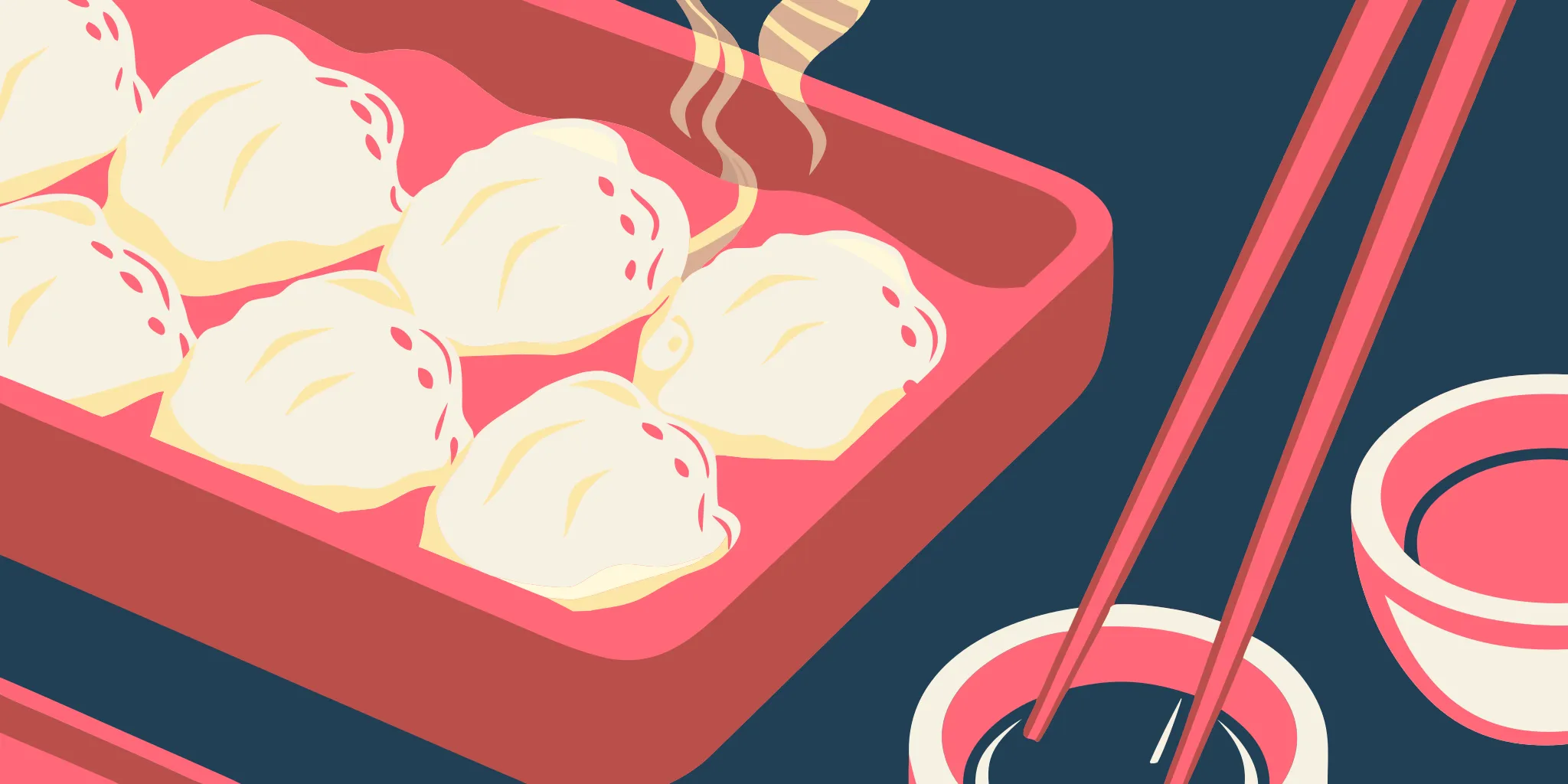
If you’ve had Japanese dumplings before, you’ve likely tried gyoza. These crescent-shaped morsels are the ultimate comfort food. Inspired by Chinese jiaozi, Japanese gyoza have evolved to have thinner, more delicate wrappers and finely minced fillings, typically a savory mix of ground pork and cabbage. What really makes them special is the cooking method: they’re pan-fried to create a perfectly crispy, golden-brown bottom, then steamed to cook the filling through. This crisp-yet-tender texture makes them an irresistible sidekick to a bowl of ramen or a star appetizer all on their own. You can find our take on this pan-fried favorite on our menu.
Shumai: Delicate Steamed Parcels
Shumai are like little edible purses, and they’re as delightful as they sound. These dumplings are steamed, not fried, making them a lighter, softer option. You can spot them by their unique open-topped, cup-like shape, which often shows off a colorful filling. Traditionally, shumai are filled with a juicy combination of ground pork and shrimp, offering a delicate and savory flavor in every bite. Because they are steamed, the wrapper remains soft and tender, perfectly encasing the flavorful filling. They are a popular feature in dim sum but are enjoyed all across Japan as a delicious and satisfying snack.
Nikuman: Fluffy Steamed Buns
Imagine a warm, pillowy-soft bun that fits perfectly in your hand—that’s nikuman. These are not your typical dumplings; they are large, fluffy steamed buns with a savory filling, usually seasoned ground pork. Nikuman are a go-to street food in Japan, especially during the colder months when you need something warm and comforting to enjoy on the go. The dough is soft, slightly sweet, and wonderfully chewy, providing the perfect contrast to the rich, savory meat inside. Biting into a hot nikuman is a truly satisfying experience and a staple of Japanese convenience store food culture.
Takoyaki: Osaka's Octopus Spheres
Hailing from the vibrant city of Osaka, takoyaki are one of Japan’s most famous and fun street foods. These are small, spherical dumplings made from a savory wheat-flour-based batter. The name literally means "fried octopus," and true to their name, each ball is filled with a piece of diced octopus, tempura scraps, pickled ginger, and green onion. They are cooked in a special molded pan that gives them their signature round shape. Once cooked, they’re brushed with a sweet and savory takoyaki sauce, drizzled with Japanese mayo, and sprinkled with seaweed and dried bonito flakes that seem to dance from the heat.
Your Shopping List for Authentic Dumplings
Making incredible Japanese dumplings at home starts with a great shopping list. Getting the right ingredients is the first step to achieving that perfect texture and flavor you love. Let's walk through exactly what you'll need to grab at the store.
What You'll Need for the Wrappers
First things first: the wrappers. You can't have a great dumpling without them! Head to the refrigerated section of your grocery store, usually near the tofu or fresh noodles. You're looking for thin, round wrappers specifically labeled for Gyoza. If you can't find those, round wonton or Gow Gee wrappers work beautifully, too. The key is to find a wrapper that's thin enough to get crispy when pan-fried but sturdy enough to hold your delicious filling without tearing. These wrappers are the foundation for that perfect crispy-chewy bite. Just be sure to avoid the square wonton wrappers, as the round shape is traditional for gyoza and makes folding much easier.
Choosing Your Protein and Veggies
The classic filling you'll find in our authentic gyoza is a delicious mix of juicy ground pork and finely chopped Napa cabbage. This combination gets its signature flavor from fresh garlic, ginger, and scallions. But the beauty of making dumplings at home is that you can make them your own. Feel free to swap the pork for ground chicken, turkey, or even beef. For a fantastic plant-based option, try a mix of crumbled firm tofu and finely minced mushrooms. The goal is a balanced filling where the protein, veggies, and aromatics all shine through, creating a savory bite that’s packed with flavor.
The Key to Authentic Flavor
Want to know the secret to truly authentic flavor? It's all about a bold, meaty filling that doesn't skimp on the garlic. Many gyoza made outside of Japan tend to be heavy on the cabbage, which can dilute the rich, savory taste. Speaking of cabbage, here’s a pro tip that makes all the difference: after you chop it, toss it with a little salt and let it sit for a few minutes. Then, using your hands or a clean kitchen towel, squeeze out as much liquid as you can. This simple step is a game-changer for preventing your wrappers from getting soggy during cooking and ensures your filling is concentrated and flavorful.
How to Prepare Japanese Dumplings
Once you have your dumplings filled and pleated, the real magic begins. The way you cook them completely transforms their texture and taste, turning them from simple parcels into something truly special. Whether you crave a crispy, golden-brown bottom or a soft, pillowy bite, there’s a cooking method that’s perfect for you. Don’t feel like you have to stick to just one—part of the fun is experimenting to find your favorite.
If you’re not in the mood to cook, you can always skip the prep and order your favorites straight from our kitchen. We also handle large group orders if you’re feeding a crowd! But if you’re ready to roll up your sleeves, let’s walk through the best ways to prepare Japanese dumplings at home.
Master the Pan-Fry (The Crisp-Steam-Crisp Method)
For that signature crispy bottom and juicy filling you love in gyoza, the pan-fry method is your go-to. It’s a brilliant technique that gives you the best of both worlds: a satisfying crunch and a tender, steamed top. Start by adding a bit of oil to a non-stick pan over medium-high heat. Place your dumplings flat-side down and fry them for a few minutes until the bottoms are golden brown. Next, carefully pour in a splash of water (about ¼ cup) and immediately cover the pan with a lid. Let them steam for 3-5 minutes, or until the wrappers are translucent. Finally, remove the lid and let any remaining water evaporate, allowing the bottoms to get extra crispy again before serving.
Steam Them for a Softer Bite
If you prefer a softer, more delicate texture, steaming is a fantastic option. This method gently cooks the dumplings, resulting in a tender, chewy wrapper that melts in your mouth. It’s a popular way to prepare shumai and is also wonderful for gyoza if you’re not in the mood for crunch. To steam, simply line a steamer basket with parchment paper or cabbage leaves to prevent sticking. Arrange the dumplings inside, making sure they don’t touch. Place the basket over a pot of simmering water, cover, and steam for about 6-8 minutes, or until the filling is cooked through and the wrappers are soft. This method really lets the flavors of the filling shine, just like the dumplings on our menu.
Other Ways to Cook Your Dumplings
Pan-frying and steaming are the classics, but they aren’t your only options. For a super crunchy, indulgent treat, you can deep-fry your dumplings until they’re golden brown all over. This method works especially well for heartier fillings. Another great tip is that you can cook dumplings directly from frozen, which is a huge time-saver for a quick weeknight meal. Just add a few extra minutes to your pan-frying or steaming time to ensure the filling is fully cooked. No matter which method you choose, the goal is to create a delicious bite that brings a little bit of Japanese comfort food into your home.
A Tour of Dumplings Across Japan
While you can find delicious dumplings all over Japan, different regions put their own unique spin on this beloved dish. From the bustling ramen shops of Tokyo to the vibrant street food stalls of Osaka, the simple gyoza transforms, reflecting the local culture and culinary traditions. It’s a perfect example of how one dish can have so many fascinating variations.
This journey across Japan showcases how a humble dumpling becomes a canvas for regional creativity. Each city and prefecture offers a slightly different experience, proving that there's always a new and exciting way to enjoy gyoza. It’s this very richness and creativity that we aim to capture in every dish we serve, bringing a piece of Japan’s diverse food culture right here to Nashville.
How Tokyo Does Gyoza
In Tokyo, gyoza is practically synonymous with ramen. It’s no surprise that a survey in Japan found gyoza is the most popular side dish to enjoy with a hearty bowl of noodles. In the capital city, you’ll typically find the classic pan-fried version: crispy and golden on the bottom, soft and steamed on top. The filling is usually a savory mix of ground pork, cabbage, and chives, seasoned with garlic and ginger. The cultural significance of gyoza in Japan makes it a must-try, and in Tokyo, it’s a comforting, reliable staple that perfectly complements the city’s fast-paced energy. It’s the kind of satisfying side you’ll find on our menu—the perfect partner for your favorite ramen.
Osaka's Famous Street Food Dumplings
Head south to Osaka, and you’ll find gyoza thriving in the city’s legendary street food scene. Known for its incredible food culture, Osaka treats gyoza as a star attraction, often sold from small stalls and enjoyed on the go. While the classic pan-fried style is popular, you’ll also see deep-fried and boiled versions. This reflects a broader trend in Japanese cuisine, which has a knack for adapting traditional Chinese recipes to local tastes. In Osaka, the focus is on bold flavors and satisfying textures that you can enjoy while exploring the city. It’s this spirit of fun and flavor that makes dumplings such a great food to share with friends.
Exploring Regional Twists
Beyond the major cities, you’ll discover countless regional variations of gyoza. Some areas are famous for their unique fillings, swapping pork for shrimp or adding different local vegetables. Others experiment with the wrapper, making it thicker, thinner, or even infused with flavors like green tea. These juicy and mouth-watering Japanese dumplings are a testament to the country’s culinary creativity. From the garlic-heavy gyoza of Aomori to the bite-sized versions found in Kyoto, each region tells a different story. This incredible variety is a delicious reminder of the richness of Japanese cuisine and inspires us to share these authentic flavors, whether you’re dining with us or planning Large Group Orders for your next event.
Your Guide to Making Japanese Dumplings at Home
Ready to roll up your sleeves and bring the magic of Japanese dumplings into your own kitchen? It’s easier than you think and so rewarding. Making dumplings is a fantastic group activity, but if you're feeding a crowd without the work, our Large Group Orders have you covered. For everyone else, here’s how to get started.
Mix Your Perfect Filling
The heart of any great dumpling is its filling. For classic gyoza, the goal is a juicy, savory mix that bursts with flavor. Start with ground meat—pork is traditional and offers a wonderful richness, but chicken or turkey works well, too. Then, you’ll want to add finely chopped vegetables. Cabbage adds a subtle sweetness and texture, while Chinese chives (or scallions) bring a mild oniony bite. The real flavor punch comes from your aromatics: freshly grated ginger and garlic are non-negotiable. A splash of soy sauce, sesame oil, and a pinch of salt and pepper will bring it all together. Don't be afraid to experiment with your filling until you find a combination you absolutely love.
Wrap and Pleat Like a Pro
This is the part that looks tricky, but I promise it’s a skill you can pick up with a little patience. The key is to not overstuff your wrappers. Place a small spoonful of filling in the center of a round wrapper. Dip your finger in a small bowl of water and moisten the entire edge of the wrapper—this is the glue that holds it all together. Fold the wrapper in half over the filling, and starting from one side, create small, overlapping pleats along the edge, pressing firmly to seal as you go. The goal is a crescent-shaped dumpling with a flat bottom. Your first few might look a little wonky, and that’s perfectly okay! They’ll still taste amazing.
A Step-by-Step Cooking Guide
To get that signature crispy-bottomed, tender-topped gyoza, you’ll use a simple pan-frying and steaming method. Heat a bit of neutral oil in a non-stick skillet over medium-high heat. Arrange your dumplings in a single layer, flat-side down, and fry for a few minutes until the bottoms are golden brown and crisp. Next, carefully pour about a quarter cup of water into the pan (it will sizzle!) and immediately cover it with a lid. Let the dumplings steam for 3-5 minutes, or until the wrappers are translucent and the filling is cooked through. Finally, remove the lid and let any remaining water evaporate, allowing the bottoms to get extra crispy. And if you want to taste-test your work against ours, you can always order a plate for comparison.
Common Dumpling Mistakes to Avoid
Making dumplings at home is incredibly rewarding, but a few common missteps can stand between you and perfection. Whether you’re dealing with soggy wrappers, a bland filling, or a less-than-crispy bottom, we’ve all been there. The good news is that these issues are easy to fix once you know what to look for. Think of this as your friendly guide to troubleshooting your dumpling-making process.
Of course, if you’d rather skip the work and get straight to the eating, you can always order our gyoza for pickup or delivery. And for those times you need to feed a crowd without spending hours pleating, our Large Group Orders have you covered. But for the aspiring home cooks, here’s how to sidestep the most common pitfalls and make dumplings you’ll be proud of.
Getting the Filling Just Right
The heart of any great dumpling is a flavorful, well-balanced filling. The biggest mistake here is introducing too much moisture, which leads to soggy wrappers that tear easily. If you’re using cabbage, chop it, sprinkle it with salt, and let it sit for a few minutes. Then, squeeze out as much water as you possibly can. This single step is a game-changer. For the protein, knead the ground meat with seasonings until it becomes pale and sticky. This develops the texture and ensures everything is perfectly combined. Finally, resist the urge to overfill your wrappers. A heaping tablespoon might seem generous, but it makes sealing nearly impossible. Stick to about three-quarters of a tablespoon for a perfect seal and a great filling-to-wrapper ratio.
How to Handle and Seal Your Wrappers
Gyoza wrappers are delicate and can dry out in minutes, becoming brittle and impossible to fold. The solution is simple: always keep the stack of wrappers you aren’t actively using covered with a damp paper towel or plastic wrap. This keeps them pliable and ready for pleating. When you’re ready to seal, the shape of your filling matters. Instead of placing a round ball of filling in the center, spread it into a flat disk. This small adjustment makes it much easier to press the air out and create a tight seal that won’t burst open while cooking. A secure seal is key to keeping all that juicy goodness inside.
Nailing the Cooking Time and Temp
The magic of a perfect pan-fried gyoza is its signature texture: a juicy, steamed top and a crispy, golden-brown bottom. Achieving this requires a specific pan-frying and steaming method. Start by arranging your dumplings in a hot, oiled pan and frying them for a few minutes until the bottoms are golden. Next, carefully pour about a quarter-cup of water into the pan and immediately cover it with a lid. Let the dumplings steam for a few minutes until the wrappers are translucent and the filling is cooked through. Finally, remove the lid to let the remaining water evaporate, allowing the bottoms to crisp up one last time. This crisp-steam-crisp technique ensures a perfect bite every time.
How to Serve Your Japanese Dumplings
You’ve done the hard work of mixing, wrapping, and cooking your dumplings. Now for the fun part: serving them! The right presentation and pairings can turn a simple dish into a memorable meal. It’s all about creating a balance of flavors and textures that makes every bite exciting. From the perfect dipping sauce to the ideal main course, here’s how to serve your Japanese dumplings like a pro.
Whip Up the Perfect Dipping Sauce
A great dumpling deserves an equally great dipping sauce. While you can buy pre-made sauces, whipping up your own is incredibly simple and tastes so much better. The classic Japanese dipping sauce strikes a perfect balance between savory and tangy, cutting through the richness of the filling. To make it, just combine two parts rice vinegar with one part soy sauce in a small bowl. This simple ratio creates a foundation you can build on. For a little kick, add a few drops of chili oil, known as rayu in Japan. This classic gyoza sauce is the perfect partner for your crispy, juicy dumplings.
What to Serve with Your Dumplings
In Japan, gyoza and ramen are a classic power couple. Dumplings are often served as a side dish to a hearty bowl of noodle soup, and it’s a combination that just works. The crispy, savory dumplings are the perfect complement to the rich, complex broth of a good ramen. If you’re making dumplings at home, consider pairing them with your favorite bowl from our menu. And if you’re feeding a crowd, you can focus on perfecting your dumplings and let us handle the main course with a Large Group Order of ramen.
Plate Them Beautifully
We eat with our eyes first, and a little effort in presentation goes a long way. The cultural significance of gyoza in Japan means they’re often served with care, but you don’t need to be a food stylist to make your plate look appealing. For pan-fried gyoza, arrange them with the crispy, golden-brown side facing up to show off that perfect texture. A simple garnish of thinly sliced scallions or a sprinkle of toasted sesame seeds adds a pop of color and flavor. Placing the small dipping sauce bowl right on the plate makes for an inviting and complete presentation.
Where to Find Authentic Japanese Dumplings in Nashville
When a craving for perfectly pan-fried or steamed dumplings hits, you need a plan. We’re obviously partial to our own crispy pork gyoza—that perfect bite to kick off a ramen feast. You can always find them on our menu when you stop by for a bowl.
But we love being part of Nashville’s incredible food scene, and we’re all for exploring what our fellow chefs are creating. If you’re on a mission to try some of the best Japanese dumplings around town, here are a few spots that should definitely be on your list.
Dumpling House
If your goal is purely dumplings, this is your destination. Located on Belcourt Avenue, Dumpling House is a local favorite that puts these delicious parcels front and center. Their menu is packed with variety, from classic pork and chive to more adventurous fillings, served steamed or pan-fried. It’s the perfect spot to go with friends when you want to order a bunch of different kinds and share them all. For anyone on a serious dumpling quest in Nashville, this is an essential stop.
Ichiddo Ramen & Izakaya
Sometimes a dumpling is the perfect opening act for a hearty bowl of ramen. For that complete Japanese comfort food experience, head over to Ichiddo Ramen & Izakaya. You can start with an order of their perfectly crafted gyoza before diving into a rich, flavorful ramen broth. It’s a fantastic way to get a full taste of an authentic Japanese meal, satisfying both your dumpling and noodle cravings in one delicious sitting. The cozy atmosphere makes it a great choice for a casual weeknight dinner.
Two Ten Jack
If you're looking for a lively atmosphere to go with your dumplings, check out Two Ten Jack. As a Japanese-inspired pub, or izakaya, its menu is designed around small plates that are perfect for sharing over drinks with friends. Their pan-fried pork dumplings are a consistent crowd-pleaser and a great way to kick off the meal before exploring the rest of their creative offerings. The vibe is social and energetic, making it an ideal spot for a fun night out. Grab a seat at the bar, order some dumplings, and settle in.
Related Articles
- Japanese Restaurant Guide: Tips for Your First Time | Otaku Ramen
- 7 Best Japanese Restaurants in Nashville | Otaku Ramen
Frequently Asked Questions
What's the real difference between Japanese gyoza and Chinese potstickers? Think of them as close cousins! While both are delicious, Japanese gyoza typically have a much thinner, more delicate wrapper. The filling is also usually more finely minced, and it often has a more pronounced garlic flavor. The classic pan-fry and steam cooking method that gives gyoza that signature crispy bottom is the most common way you'll find them served in Japan.
Can I make a big batch of dumplings and freeze them for later? Absolutely! This is one of my favorite ways to prep for a quick meal. After you’ve filled and pleated your dumplings, arrange them in a single layer on a baking sheet lined with parchment paper, making sure they don't touch. Freeze them until they're solid, then transfer them to a freezer bag. They’ll keep for a couple of months, and you can cook them straight from frozen—just add a few extra minutes to the steaming time.
What are some good vegetarian or vegan filling ideas? You can get really creative with plant-based fillings. A great base is a mix of crumbled firm tofu and finely chopped mushrooms, like shiitake or cremini, which add a wonderful savory depth. From there, you can add shredded carrots, edamame, or even corn. The most important step is to make sure you squeeze any excess moisture out of your vegetables to prevent the wrappers from getting soggy.
My dumplings always stick to the pan! What am I doing wrong? This is a super common and frustrating problem, but it's usually an easy fix. The two most likely culprits are your pan and the oil temperature. A good quality non-stick skillet is your best friend here. Also, make sure your pan and the oil are sufficiently hot before you place the dumplings down. This creates an instant sear that helps prevent them from sticking right from the start.
Besides ramen, what else goes well with gyoza? While gyoza and ramen are a classic pair, dumplings are versatile enough to be the star of the show. They are fantastic served simply with a side of steamed white rice and a crisp, refreshing cucumber salad dressed with a bit of rice vinegar. A small bowl of miso soup or some quick Japanese pickles also makes for a wonderful, light pairing that balances the richness of the dumplings.