If your experience with teriyaki chicken involves a thick, sticky-sweet sauce from a bottle, I have some news that might surprise you. The authentic version is something else entirely—a dish defined by its incredible balance and simplicity. It’s less about overwhelming sweetness and more about a savory, glossy glaze that lets the flavor of the chicken shine. At our restaurant, we believe the best food comes from honoring tradition, and that’s exactly what this recipe does. Forget long marinades and complicated ingredient lists. I’m going to show you the traditional techniques to make real Japanese teriyaki chicken at home, and it’s probably much simpler than you think.
Key Takeaways
- Master the Four-Ingredient Sauce: Authentic teriyaki sauce needs only soy sauce, sake, mirin, and sugar. Skip the garlic and ginger to create a balanced, traditional glaze that complements the chicken perfectly.
- Cook First, Glaze Later: Instead of marinating, cook the chicken on its own, wipe the excess fat from the pan, and then add the sauce. This crucial technique allows the sauce to reduce into a thick, glossy glaze that coats the chicken.
- Stick with Skin-On Chicken Thighs: For the juiciest, most flavorful results, use skin-on chicken thighs. The dark meat stays tender and the skin crisps up, providing the ideal texture for a restaurant-quality dish.
What is Japanese Teriyaki Chicken?
If you think you know teriyaki chicken, you might be surprised to learn its story. This beloved dish has a rich history that spans continents, blending traditional Japanese cooking techniques with Japanese American innovation. Before we jump into the recipe, let's explore what makes this dish so special and what the name truly means.
The Story Behind Teriyaki
Teriyaki chicken is a staple in Japanese American households, a go-to for everything from quick weeknight dinners to large family gatherings. But here’s a fun fact: the sweet, saucy version most of us know and love is likely a Japanese American invention. While the cooking method has deep roots in Japan, the dish evolved right here in the States, with both Seattle and Hawaii claiming to be its birthplace. This blend of cultures is part of what makes the dish so special, a true comfort food that tells a story of its own. It’s a beautiful example of how food traditions travel and adapt, creating something new and delicious along the way.
What "Teriyaki" Actually Means
So, what does the word “teriyaki” actually mean? It’s a combination of two Japanese words: teri, which means "luster" or "shine" (from the soy sauce glaze), and yaki, which means "to grill" or "broil." Essentially, teriyaki is a way of cooking, not just a sauce. It describes food that's grilled with a shiny, soy-based glaze. A traditional Japanese teriyaki sauce is beautifully simple and focuses on a few quality ingredients. Unlike many Western versions, it doesn't typically include additions like garlic or ginger, allowing the pure, balanced flavors of the glaze to shine through.
Gather Your Ingredients for Authentic Teriyaki
The secret to incredible teriyaki chicken isn't a long list of complicated ingredients. It's all about using a few high-quality staples to create that perfect sweet and savory glaze. Before you start cooking, let's make sure you have the right foundation. Getting these two key components right—the sauce and the chicken—will make all the difference in creating a truly authentic dish at home, one that would feel right at home on our menu.
What's in a Traditional Teriyaki Sauce?
Forget everything you thought you knew about bottled teriyaki sauce. A traditional Japanese teriyaki sauce is beautifully simple and relies on just four key ingredients: soy sauce, sake, mirin, and a touch of sugar. That’s it! You’ll notice that classic recipes don't include additions like garlic, ginger, or cornstarch, which are common in American-style versions. The magic comes from the perfect balance of these four elements, creating a rich, savory, and slightly sweet glaze that complements the chicken without overpowering it. Using good quality Japanese soy sauce and mirin will really let the flavors shine.
Choose the Right Cut of Chicken
When it comes to teriyaki, not all chicken cuts are created equal. For the most tender, flavorful result, you’ll want to use chicken thigh fillets with the skin on. The thigh meat is naturally juicier and more forgiving than breast meat, so it stays incredibly moist during cooking. Plus, the skin is essential for getting that signature crispy texture that contrasts so well with the sticky glaze. As the chicken cooks, the skin renders its fat, which helps create a rich flavor base for the sauce. While you can certainly use chicken breast if you prefer, choosing chicken thighs is the traditional way to guarantee a succulent and satisfying dish every time.
Japanese vs. American Teriyaki: What's the Difference?
If your experience with teriyaki chicken involves a thick, super-sweet sauce, you might be surprised to learn that it’s quite different from the traditional Japanese version. The teriyaki popular in the United States has evolved significantly from its roots, adapting to local tastes and ingredients. While both are delicious in their own right, understanding the key distinctions can help you appreciate the simplicity and balanced flavor of authentic Japanese teriyaki.
The main differences come down to the flavor profile, the cooking methods, and the sauce itself. Traditional Japanese teriyaki is a testament to the idea that simple, high-quality ingredients can create incredible depth of flavor without the need for a long list of additions. Let's look at what sets the two styles apart.
Comparing Flavor Profiles
The most noticeable difference between Japanese and American teriyaki is the level of sweetness. American-style teriyaki chicken is often marinated for hours in a very sweet sauce before it even hits the grill. This process infuses the meat with a sugary flavor that tends to dominate the dish.
In contrast, traditional Japanese grilled chicken, like yakitori, isn't marinated at all. Instead, the sauce is brushed on as a glaze after the chicken is cooked. This technique creates a beautiful, caramelized exterior while allowing the natural flavor of the chicken to shine through. The result is a more savory, balanced taste that’s rich but not overwhelmingly sweet.
Traditional vs. Modern Cooking Methods
The ingredient list for an authentic teriyaki sauce is beautifully simple: soy sauce, sake, mirin, and a little sugar. That’s it. You won't find garlic or ginger in a traditional Japanese recipe. These ingredients were added in Western adaptations to cater to a different palate.
Many teriyaki dishes you find in restaurants outside of Japan have been modified, often incorporating flavors that aren't part of the authentic recipe. The traditional method focuses on the quality of its four core components to create a complex flavor. It’s a cooking style that respects the ingredients, allowing each one to play its part without being overshadowed.
Sauce Consistency and Sweetness
A classic homemade teriyaki sauce is incredibly straightforward, often following a simple ratio of one part sugar to two parts each of Japanese soy sauce, mirin, and sake. This creates a thin sauce that thickens into a perfect glaze as it cooks down and caramelizes on the chicken. There’s no need for cornstarch or other thickeners.
American teriyaki sauces, on the other hand, are often much thicker and stickier from the start. They tend to be far sweeter and more complex, sometimes including ingredients like pineapple juice, sesame oil, or honey. The traditional Japanese approach proves that you don't need a lot of ingredients to create a deeply flavorful, glossy glaze that perfectly complements everything from chicken to fish.
Craft the Perfect Teriyaki Sauce
The secret to incredible teriyaki chicken isn't a long list of fancy ingredients—it's all in the sauce. A truly authentic teriyaki sauce is a masterclass in balance, bringing together savory, sweet, and umami notes in perfect harmony. Forget the thick, overly sweet bottled stuff. Making your own is surprisingly simple and gives you a rich, glossy glaze that makes the chicken shine. It all comes down to using the right ingredients in the right proportions and applying a couple of key techniques. Let's get it right.
Master the Authentic 1:2:2:2 Ratio
The foundation of a perfect teriyaki sauce is its beautifully simple ratio. The traditional Japanese recipe calls for equal parts soy sauce, sake, and mirin (a sweet Japanese rice wine), with about half as much sugar. This 1:2:2:2 ratio (sugar:sake:mirin:soy sauce) is the key to achieving that signature balanced flavor that’s savory without being too salty and sweet without being overpowering. There’s no need for complicated measurements or extra flavorings. By sticking to this classic formula, you let the quality of these four simple ingredients do all the work, creating a sauce that’s both deeply flavorful and authentically Japanese.
Why You Should Skip the Garlic and Ginger
If you’ve only ever had American-style teriyaki, you might be surprised to learn that traditional recipes don't include garlic or ginger. While these are fantastic aromatics in many dishes, they aren't part of an authentic Teriyaki sauce. The goal of the original dish is to highlight the pure, clean flavors of the sauce and the rich taste of the chicken itself. Adding garlic and ginger can easily overpower the delicate balance of the soy sauce, sake, and mirin. Honoring tradition often means embracing simplicity, a philosophy we live by in our own kitchen. By leaving these out, you’re making teriyaki the way it was meant to be enjoyed—simple, elegant, and delicious.
Get the Right Consistency
The perfect teriyaki sauce has a glossy, glaze-like consistency that clings to the chicken. The trick isn't to add cornstarch but to use the right cooking method. Start by cooking the chicken in a pan without any extra oil. As the chicken cooks, it will release its own fat. Before you add the sauce, carefully wipe this excess fat from the pan with a paper towel. This crucial step ensures your sauce won’t be greasy and allows it to thicken and become sticky as it reduces. As the sugars in the mirin and sugar caramelize, the sauce will transform into a beautiful glaze that coats every piece of chicken perfectly.
Prepare Teriyaki Chicken the Traditional Way
Making truly great teriyaki chicken at home is all about technique, not complicated steps. Many of the things we assume are necessary—like long marinades or extra oil—are actually holding us back from that authentic, glossy finish. The traditional Japanese approach is simpler and focuses on a few key moments during the cooking process. If you want a delicious reference point, you can always order our version to taste the difference yourself. By paying attention to how you cook the chicken and when you add the sauce, you can create a dish that rivals what you’d find in a true Japanese kitchen.
Why You Don't Need to Marinate
Let's clear up a common misconception right away: you don't need to marinate your chicken for authentic teriyaki. I know, it feels like you're skipping a step, but it's actually the traditional way. Instead of soaking the chicken for hours, the flavor is built right in the pan. You cook the chicken first, letting its natural taste come through, and then introduce the sauce. This allows the sauce to reduce into a beautiful glaze that coats the chicken perfectly, rather than just soaking into the meat. It’s a simple switch that makes a huge difference.
How to Cook Without Added Oil
Here’s another tip that might surprise you: skip the cooking oil. Chicken, especially skin-on thighs, has enough natural fat to cook beautifully on its own. As it cooks, the fat will render out into the pan. The most important step here is to wipe away any excess oil before you add the teriyaki sauce. Use a paper towel to carefully blot it up. This ensures the sauce can cling directly to the chicken, creating that signature sticky, caramelized glaze we all love. If you leave the oil, the sauce will just slide right off.
Know Exactly When to Add the Sauce
Timing is everything when it comes to that perfect teriyaki glaze. Once your chicken is cooked through and you’ve wiped the excess oil from the pan, it’s time for the sauce. Pouring it in at this exact moment is what creates that shiny, restaurant-quality finish. The sauce will hit the hot pan and immediately begin to thicken and caramelize, clinging to every part of the chicken. This is how you get an even, flavorful coating that’s both delicious and visually stunning. It’s the final, crucial step to mastering traditional teriyaki.
Keep Your Chicken Juicy and Flavorful
The secret to incredible teriyaki chicken isn’t just in the sauce—it’s in the cooking technique. A few simple steps can make the difference between dry, bland chicken and a perfectly juicy, flavorful, and beautifully glazed final dish. It all comes down to choosing the right cut, preparing it correctly, and knowing how to get that signature caramelized finish. These small details are what separate homemade teriyaki from the authentic, restaurant-quality chicken we all crave. Let’s walk through the three key techniques that will help you get it right every time.
Use Skin-On Chicken Thighs
For the most tender and flavorful teriyaki, always choose skin-on chicken thighs. While chicken breast is a popular choice in many Western recipes, thighs are the traditional cut for a reason. Their higher fat content keeps the meat incredibly moist and juicy throughout the cooking process, so you don't have to worry about it drying out. The skin is also essential—it crisps up beautifully in the pan and protects the meat underneath. As the culinary pros at RecipeTin Japan put it, skin-on thighs "stay juicy and look nice when cooked," giving you that perfect, restaurant-quality finish.
Poke the Skin for Better Sauce Absorption
Here’s a simple trick that makes a huge impact on flavor. Before you start cooking, take a moment to poke the chicken skin a few times with a fork or the tip of a knife. This quick step creates tiny openings for the teriyaki sauce to seep through the skin and penetrate deep into the meat. It ensures that every single bite is packed with that sweet and savory flavor, not just the surface. This technique is a fantastic way to guarantee your chicken is seasoned all the way through. The experts agree this simple action "helps the sauce soak into the meat better."
Create the Perfect Caramelized Glaze
That glossy, sticky glaze is the hallmark of great teriyaki chicken, and achieving it is easier than you think. The key is to cook the chicken without adding any extra oil to the pan. Start with the chicken skin-side down and let the fat render out naturally. Once the skin is golden and crisp, you’ll notice some excess oil in the pan. Before you add the sauce, carefully wipe that oil away with a paper towel. This step is crucial because, as authentic recipes highlight, it "helps the sauce stick well to the chicken," allowing it to thicken into a beautiful glaze instead of sliding off.
Authentic Japanese Teriyaki Chicken: A Step-by-Step Recipe
Ready to make incredible teriyaki chicken at home? This recipe follows the traditional Japanese method for a perfectly balanced, savory-sweet dish that comes together faster than you can decide on takeout. Forget the thick, overly sweet sauces you might be used to—this is the real deal. It’s simple, requires just a few key ingredients, and delivers a juicy, flavorful result every time. At Otaku Ramen, we're passionate about sharing the rich history of Japanese cuisine, and this classic dish is a perfect example of how simple techniques can create profound flavors. The beauty of authentic teriyaki lies in its simplicity and the quality of its ingredients, creating a glossy, caramelized glaze that enhances the chicken rather than masking it. This step-by-step guide will walk you through the process, showing you the key techniques that make all the difference. Let’s get cooking.
Prep and Cook Time
One of the best things about authentic teriyaki chicken is how quickly it comes together. From start to finish, you’ll only need about 15 minutes. That’s it. This isn’t an all-day cooking project; it’s a simple, satisfying meal perfect for a busy weeknight when you’re craving something special without the fuss. The secret is in the technique, not the time. You get all the rich, complex flavor of a slow-cooked dish in a fraction of the time, making this recipe a true kitchen staple you’ll return to again and again.
Step-by-Step Instructions
This method is all about simplicity and technique. You don’t even need to marinate the chicken beforehand. Just follow these steps for a perfect result:
- Cook the chicken first. Place your skin-on chicken thighs skin-down in a cold, dry frying pan and cook over medium heat until the skin is crisp and golden brown.
- Wipe away excess oil. This is the most important step! After flipping the chicken to cook the other side, use a paper towel to blot up any extra oil from the pan. This helps the sauce cling to the chicken and create that beautiful glaze.
- Add the sauce. Pour your teriyaki sauce—a simple mix of equal parts soy sauce, sake, and mirin, plus a little sugar—into the pan. Let it bubble and thicken, coating the chicken completely.
- Slice and serve. Once cooked, slice the chicken into strips for easy eating with chopsticks. If you'd rather leave the cooking to us, you can always find inspiration on our menu.
Look for These Visual Cues
You’ll know your teriyaki chicken is perfect when you see a few key signs. The chicken skin should be a beautiful, crisp golden brown from its time in the pan. The sauce is the real star—as it cooks, it will transform from a thin liquid into a thick, sticky glaze that perfectly coats every piece of chicken. It should look glossy and irresistible. You’ll hear a gentle sizzle as the sugars caramelize, and the kitchen will fill with a sweet and savory aroma that will have everyone asking when dinner is ready. When it looks this good, you know you’ve nailed it. Come visit one of our locations to see how yours compares.
Common Teriyaki Chicken Mistakes to Avoid
Making truly great teriyaki chicken at home is all about the details. It’s a simple dish, but a few common missteps can keep you from achieving that authentic, glossy, and flavorful result you love. The good news is that these mistakes are easy to fix. By paying attention to your cooking time, the oil in your pan, and the type of chicken you use, you can create a dish that tastes like it came straight from a Japanese kitchen. Let's walk through the most common pitfalls and how to sidestep them for perfect teriyaki every time.
Don't Overcook the Chicken
This might sound obvious, but it’s the number one culprit behind disappointing teriyaki. The goal is incredibly tender, juicy chicken, and overcooking is the fastest way to ruin that texture. This is especially true if you're using chicken breast, which can turn dry and stringy in an instant. For the most forgiving and flavorful result, I always recommend using skin-on chicken thigh fillets. The higher fat content keeps the meat succulent even as it cooks, and the skin gets beautifully crisp. Pay close attention as it cooks, and remember that the chicken will continue to cook a bit more when you add the sauce.
Remove Excess Oil Before Adding the Sauce
Here’s a pro tip that makes all the difference in getting that signature teriyaki glaze. When you pan-fry skin-on chicken thighs, a good amount of fat will render out into the pan. While this fat helps cook the chicken beautifully, leaving it in when you add the sauce is a mistake. Too much oil will prevent the sauce from thickening properly and clinging to the chicken, resulting in a greasy, separated mess. Before you pour in your teriyaki sauce, carefully tilt the pan and wipe out the excess oil with a paper towel. This simple step ensures your sauce can reduce and caramelize into a perfect, sticky coating.
Stick to the Right Cut of Chicken
For truly authentic Japanese teriyaki chicken, the cut of meat matters. While you can technically make this dish with other cuts, chicken thigh with the skin on is the traditional choice for a reason. The dark meat is inherently more flavorful and juicy than white meat, making it much harder to overcook. The skin is also essential—it crisps up in the pan, providing a wonderful textural contrast to the tender meat and sticky sauce. Using chicken breast will give you a leaner meal, but you'll miss out on the rich flavor and succulent texture that makes this dish so special. Trust me, sticking with thighs is worth it.
What to Serve with Your Teriyaki Chicken
Your perfectly glazed teriyaki chicken is ready, but what turns it from a great dish into a memorable meal? The key is balance. The right side dishes complement the rich, savory-sweet flavor of the chicken without overpowering it. Think of sides that offer a refreshing crunch, a bit of tang, or a simple, starchy base to soak up all that delicious sauce. Creating a well-rounded plate is a core principle of Japanese cooking, and it’s something we focus on in every bowl we serve.
Whether you’re cooking for yourself or planning a meal for a crowd, these pairings will help you build a complete and satisfying experience. And if you’d rather leave the cooking to us, our options for large group orders bring that same balanced approach to your event, with a full spread that everyone will love.
Traditional Japanese Sides
In Japan, teriyaki chicken is often served with simple sides that provide a crisp, clean contrast. A small mound of finely shredded cabbage is a classic choice. Its raw, crunchy texture and mild flavor cut through the richness of the teriyaki glaze beautifully. You can also try other fresh or lightly boiled vegetables, like blanched spinach or green beans. The goal isn’t to add more complex flavors but to offer a refreshing counterpoint that makes each bite of the chicken taste even better. It’s a simple technique that makes a huge difference.
Rice and Vegetable Pairings
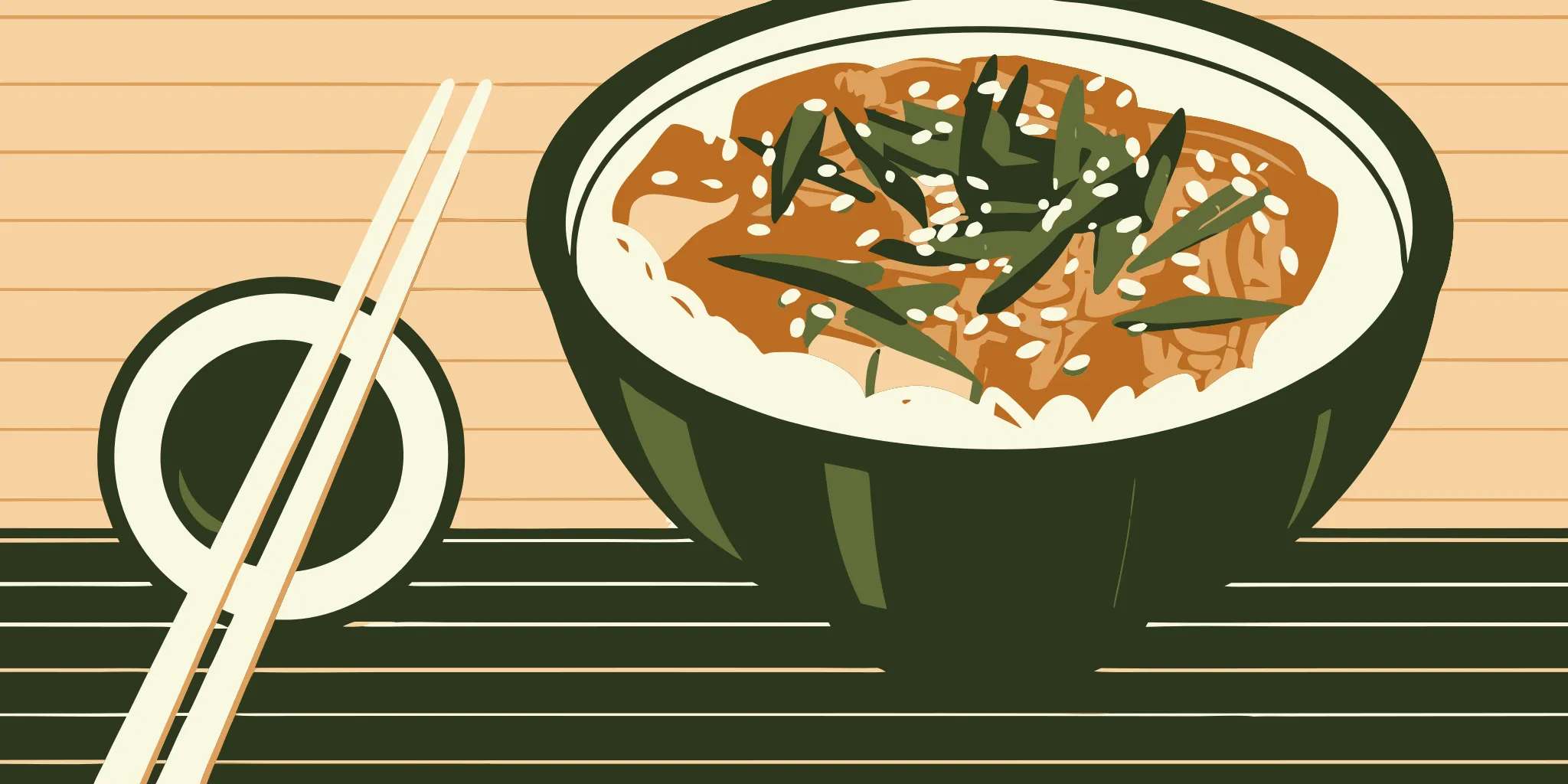
You can’t go wrong with a classic bowl of steamed white rice. It’s the perfect neutral canvas for teriyaki chicken, and its fluffy texture is ideal for soaking up every last drop of the sauce. Serving the chicken over rice creates a "Teriyaki Chicken Don," a popular and comforting one-bowl meal. To make it even more substantial, add some color and nutrients with steamed or stir-fried vegetables. Broccoli florets, sliced carrots, and snap peas are all fantastic options that add a bit of texture and turn your dish into a complete meal you can find in our own menu.
Garnish and Serve
To round out your meal in true Japanese style, consider adding a couple of small complementary dishes. A light, vinegary cucumber salad, known as sunomono, is an excellent choice. Its bright acidity balances the sweetness of the teriyaki sauce and cleanses the palate between bites. A simple, clear soup, like a miso soup or a light broth, also adds a comforting element to the meal. These small additions work together to create a harmonious dining experience where every component has a purpose, bringing a taste of authentic Japanese cuisine to your table.
Related Articles
- How to Make the Perfect Chicken Teriyaki Rice Bowl | Otaku Ramen
- One-Pan Chicken Teriyaki with Rice & Broccoli: Easy Recipe | Otaku Ramen
- How to Make Karaage Chicken (The Right Way) | Otaku Ramen
Frequently Asked Questions
Can I use chicken breast instead of thighs for this recipe? You certainly can, but I highly recommend trying it with skin-on thighs first to get the authentic experience. Thigh meat is naturally juicier and more flavorful, which makes it very forgiving in a hot pan. If you do opt for chicken breast, be extra careful not to overcook it, as it can dry out quickly. Pounding the breast to an even thickness can help it cook more uniformly.
Do I really need to use sake and mirin for the sauce? For a truly authentic Japanese teriyaki, yes. These two ingredients are the heart of the sauce's flavor. Mirin provides a unique, subtle sweetness and is responsible for that beautiful glossy shine, while sake adds depth and a rich umami flavor. While some recipes suggest substitutes, using the real thing is what separates this from the American-style versions and creates that balanced, traditional taste.
It feels wrong not to marinate the chicken first. Why skip that step? I completely understand why that feels counterintuitive! Many of us were taught that marinating is the key to flavor. However, traditional teriyaki is a cooking method, not a marinade. The goal isn't to soak flavor into the meat, but to create a perfect, sticky glaze that coats the outside. Cooking the chicken first and adding the sauce to the hot pan allows the sugars to caramelize properly, creating that signature finish that you just can't get if the meat is already wet from a marinade.
Can I make a bigger batch of the teriyaki sauce to keep on hand? Absolutely! The sauce is incredibly simple to make in larger quantities. Just maintain the 1:2:2:2 ratio of sugar, sake, mirin, and soy sauce. Once you've mixed it, you can store it in an airtight container or jar in the refrigerator for a few weeks. It’s a great way to have authentic flavor ready for a quick weeknight meal.
Besides chicken, what else is this teriyaki sauce good on? This sauce is wonderfully versatile. It’s fantastic brushed onto grilled salmon fillets in the last few minutes of cooking. You can also use it for beef, pork, or even firm tofu. It also works beautifully as a glaze for grilled vegetables like asparagus, bell peppers, or mushrooms. Once you master the sauce, you'll find yourself using it on all sorts of dishes.