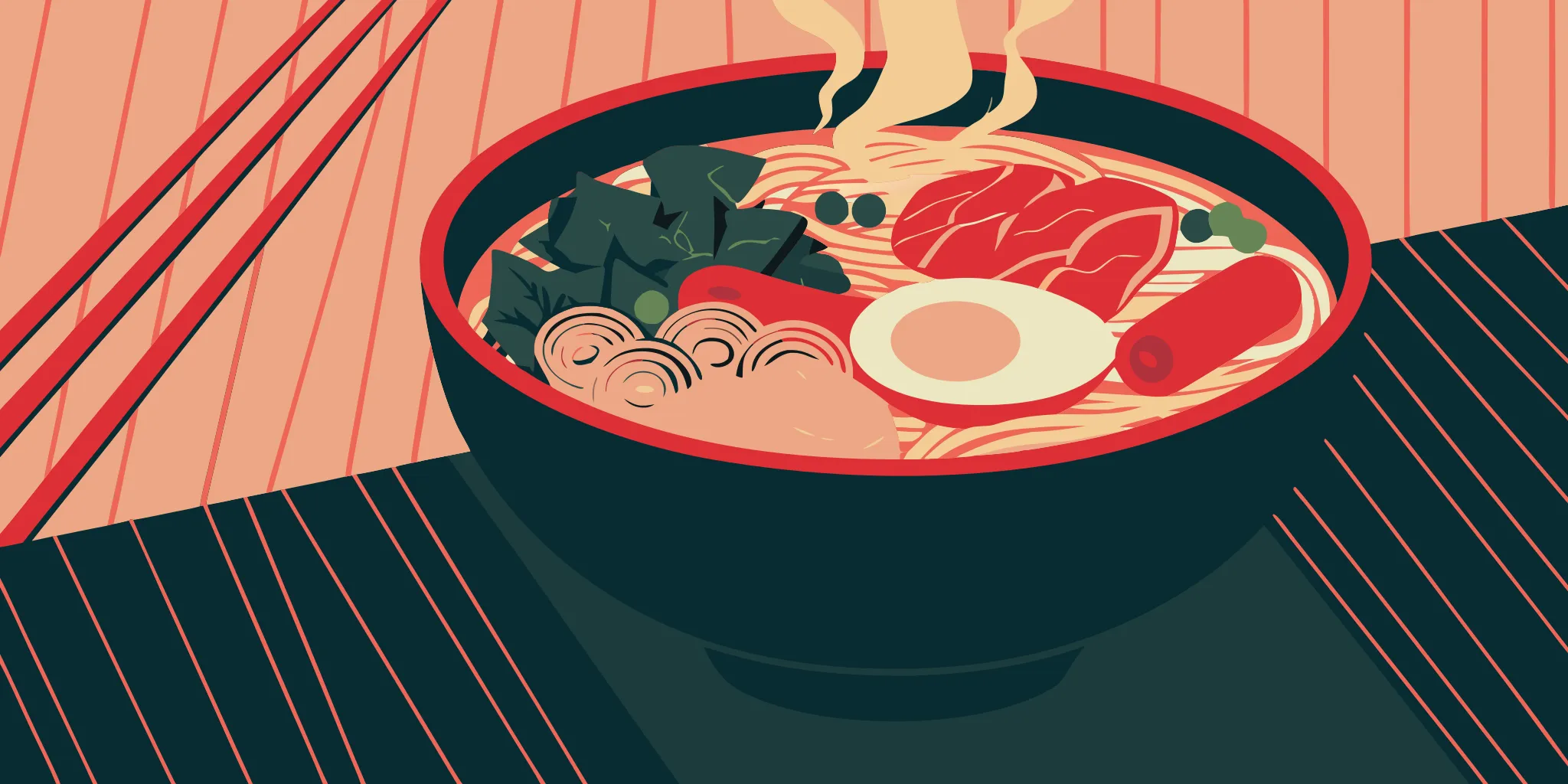
A great bowl of ramen is a canvas. The noodles and broth are just the starting point, a delicious foundation waiting to be built upon. The real magic, both in flavor and in health, comes from everything you add. Transforming a simple soup into a balanced meal is all about being intentional with your toppings. Adding fresh greens, a perfectly soft-boiled egg, or tender chashu pork can completely change the nutritional profile of your dish. Understanding the basic nutrition of ramen noodles is the first step, but learning how to build a better bowl is what allows you to enjoy this incredible meal as part of a healthy lifestyle.
Key Takeaways
- Not All Ramen Is Created Equal: Recognize the difference between a chef-crafted bowl and an instant packet. Fresh ramen is a complete meal with slow-simmered broth and quality ingredients, while instant noodles are a processed food often lacking in protein and fiber.
- You're in Control of the Nutrition: The easiest way to make any ramen healthier is by adding fresh ingredients. A soft-boiled egg boosts the protein, while adding vegetables like mushrooms or spinach provides essential vitamins and fiber.
- Think Balance, Not Restriction: Ramen can easily fit into a healthy diet. Treat it as a hearty, satisfying meal and balance it with lighter foods throughout the rest of your day, rather than viewing it as a guilty pleasure.
What's in a Bowl of Ramen?
When you think of ramen, what comes to mind? Is it the quick, just-add-water packet from your college days, or a steaming, complex bowl from your favorite ramen shop? The truth is, the nutritional story of ramen changes dramatically depending on what’s in the bowl. A simple packet of instant noodles is a world away from a chef-crafted dish filled with slow-simmered broth, fresh vegetables, and quality protein.
To really understand the health profile of ramen, we have to look at its core components. At its most basic, a bowl contains noodles and broth. But the magic—and the nutrition—comes from everything else you add. A typical instant ramen packet is designed for shelf stability and speed, not nutritional balance. On the other hand, a traditional bowl like the ones we serve at Otaku Ramen is a complete meal, built with intention. It features a rich broth that has been simmering for hours, perfectly chewy noodles, and a variety of toppings that add flavor, texture, and vital nutrients. Let's break down the basic building blocks you'll find in most ramen.
A Look at Calories and Macros
First, let's talk numbers. The nutritional information you see online often refers to instant ramen. A single serving of instant noodles contains around 188 calories, but most people eat the whole package, which brings the total to about 371 calories before adding any extras. These calories primarily come from macronutrients—carbohydrates, fats, and protein. In most instant ramen, the balance is heavily skewed toward carbs and fat, with very little protein. This is a stark contrast to a thoughtfully prepared bowl, where rich broth and toppings like pork belly or a seasoned egg contribute to a more balanced macro profile.
Understanding the Carbs
The star of any ramen bowl is, of course, the noodles. Instant ramen noodles are typically made from refined wheat flour, which makes them a significant source of carbohydrates. While carbs are your body's main source of energy, the refined kind found in instant noodles are low in fiber. This means they can give you a quick burst of energy, but it might not last long. At a dedicated ramen shop, the noodles are celebrated for their texture and ability to carry the flavor of the broth. They are a fundamental part of the experience, providing satisfying fuel as part of a much larger, more complete meal.
Breaking Down Protein and Fat
This is where the difference between instant and fresh ramen really shines. A packet of instant ramen offers very little protein—often just around five grams. The noodles themselves are frequently fried as part of the preservation process, which adds to the fat content without offering much nutritional benefit. A well-built bowl of ramen, however, is a protein powerhouse. Toppings like our Tennessee Tonkotsu's pork belly, the chicken in our Spicy Miso, or the classic soft-boiled egg (ajitama) dramatically increase the protein, making the meal far more satisfying and balanced. You can see all the delicious, protein-rich options on our menu.
Let's Talk About Sodium in Ramen
Ramen often gets a bad rap for being high in sodium, and if we’re talking about the instant noodles from the grocery store, that reputation is well-earned. The seasoning packet is the main culprit, loaded with salt to create a quick, savory flavor. But not all ramen is created equal. A thoughtfully prepared bowl of ramen from a restaurant is a completely different culinary experience, with a broth that’s been simmered for hours to develop deep, complex flavors that go far beyond just salt.
Understanding sodium is all about context. It’s a vital mineral our bodies need, but it’s also something that’s easy to overdo. So, let's break down what the numbers mean and why it matters for your health. This isn’t about giving up your favorite comfort food; it’s about being informed so you can enjoy it in a way that feels good for you. Knowing the difference between a quick instant packet and a chef-crafted bowl is the first step.
How Much Sodium Is Too Much?
When you look at a package of instant ramen, you might see a sodium content of around 1,760 milligrams (mg). To put that in perspective, the recommended daily limit for most adults is less than 2,300 mg. That means one packet of instant noodles can get you very close to your entire day's worth of sodium in a single meal. Most of us already consume more salt than we realize, so adding a high-sodium meal on top of that can easily push us over the edge. It’s a good reminder to check labels and be aware of where sodium is hiding in our food.
The Health Effects of Excess Sodium
So, what’s the big deal with too much salt? Consistently eating a high-sodium diet can lead to some serious health concerns over time. The most well-known effect is high blood pressure, which puts extra strain on your heart and blood vessels. This can increase your risk for major health events like heart disease and stroke. Beyond that, excess sodium can also cause uncomfortable short-term effects like water retention and bloating, and it can put a strain on your kidneys. Being mindful of your sodium intake is a simple way to support your long-term health while still enjoying the foods you love.
What Nutrients Does Ramen Lack?
While a steaming bowl of ramen can feel like a complete meal, it’s important to know that not all ramen is created equal. The conversation around ramen’s nutritional value often gets tangled up with the instant noodle packets found in grocery stores. These convenient meals are quite different from the thoughtfully prepared bowls you’d find in a ramen shop.
Instant ramen is designed for a long shelf life and quick cooking, and that processing often strips away essential nutrients. While it can provide a quick source of energy from carbohydrates, it often falls short in other key areas. A basic instant noodle packet typically lacks significant amounts of protein, fiber, and a wide range of vitamins and minerals. This is why the broth and toppings are so crucial—they transform a simple noodle dish into a more balanced and nourishing meal. When you build a bowl with fresh ingredients, you’re adding back the very nutrients that processed versions are missing.
The Missing Vitamins
When you rely solely on an instant noodle block and its seasoning packet, you miss out on several important vitamins. Many instant ramen brands are low in vitamins like A, C, and B12. These aren't just letters on a label; they're vital for keeping your body running smoothly. Vitamin C is a powerhouse for your immune system, while Vitamin A supports vision and cell growth.
This is where a fresh, well-crafted bowl of ramen shines. Toppings like a soft-boiled egg (ajitama) can provide a dose of Vitamin B12, and adding greens like bok choy or spinach introduces other essential vitamins. It’s a simple way to turn your meal into something that not only tastes better but also offers more complete nutritional benefits.
Key Minerals You Won't Find
Beyond vitamins, many instant ramen products also lack key minerals your body needs to function at its best. We're talking about things like calcium for strong bones, magnesium for muscle and nerve function, and potassium to help balance fluids. While instant noodles might contain iron and manganese, they don't offer the full spectrum of minerals you'd get from a more varied diet.
A rich, slow-simmered broth made from bones, however, can be a great source of some of these minerals. The long cooking process helps extract nutrients from the ingredients, infusing the entire bowl with more goodness than a simple powder packet ever could. This is one of the biggest differences between instant ramen and the authentic bowls we serve at Otaku Ramen.
Why Fiber and Antioxidants Matter
Fiber and antioxidants are two things you won't find much of in a standard package of instant ramen. Fiber is crucial for good digestion and helps you feel full and satisfied after a meal. Antioxidants are compounds that protect your body from damage caused by free radicals. Whole, fresh foods are packed with them, but they are often lost in highly processed foods.
This is where toppings become your best friend. Adding ingredients like bamboo shoots, mushrooms, seaweed (nori), and scallions doesn't just add incredible flavor and texture—it also loads your bowl with fiber and antioxidants. These fresh additions are what elevate ramen from a simple snack to a genuinely satisfying and more well-rounded meal.
Can You Eat Ramen Too Often?
It’s the question every ramen lover has asked themselves while staring at the bottom of an empty, delicious bowl: can there be too much of a good thing? The short answer is that it’s all about balance. While ramen can absolutely be part of a healthy diet, some of the health concerns you might have heard about are valid, especially when it comes to the instant noodle packets found in grocery stores.
The key difference lies in the preparation and ingredients. A thoughtfully crafted bowl of ramen from a restaurant is a world away from a block of fried, dehydrated noodles. Fresh ramen is a complete meal, often featuring slow-simmered broth, quality protein, and fresh vegetables. Instant ramen, on the other hand, is designed for a long shelf life and five-minute convenience, which means it often relies on high levels of sodium and preservatives. Let’s break down the main health considerations so you can make informed choices about your ramen habit.
The Link to Metabolic Syndrome
One of the biggest concerns tied to frequent ramen consumption is its link to a poorer diet overall. Studies focusing on instant noodles have found that people who eat them regularly often consume less protein, fiber, and other crucial nutrients from whole foods like fruits and vegetables. This type of diet, when centered around processed foods, can contribute to metabolic syndrome—a group of conditions that can increase the risk of heart disease and diabetes.
This is where the distinction between instant and fresh ramen really matters. A bowl of our Tennessee Tonkotsu, for example, is built around a rich, pork-bone broth and includes pork confit, a seasoned egg, and fresh greens. When you choose a bowl packed with varied ingredients, you’re getting a much more nutritionally diverse meal.
What It Means for Your Heart
Let's talk about sodium. Ramen broth is savory and rich, and yes, that flavor comes from salt. However, the sodium levels in instant ramen packets are often sky-high, sometimes containing more than a full day's recommended intake. As Keck Medicine of USC notes, a diet high in sodium can lead to high blood pressure, which in turn may increase the risk of heart failure or stroke.
Enjoying a bowl of restaurant-quality ramen is different from making instant noodles a daily meal. When you dine out, it’s an experience. You can balance that meal with lower-sodium choices throughout the rest of your day. Being mindful of your overall daily sodium intake is the key, allowing you to savor your favorite ramen without worry.
Additives and Preservatives to Know
If you flip over a package of instant ramen, you might see ingredients like MSG (monosodium glutamate) and TBHQ (tertiary butylhydroquinone). Healthline points out that these food additives, while generally considered safe in small amounts, could be harmful when consumed in large doses. TBHQ is a preservative used to extend shelf life, while MSG is a common flavor enhancer.
This is a concern that primarily applies to highly processed, packaged foods. At Otaku Ramen, our focus is on freshness and tradition. We make our noodles and broth from scratch, using classic techniques to build deep, complex flavors. Our commitment to the craft means we don’t need to rely on artificial preservatives or flavor enhancers—the quality of the ingredients speaks for itself.
Common Myths About Ramen Nutrition
Ramen often gets a bad rap, nutritionally speaking, and a lot of that comes from the world of instant noodles. But a steaming, thoughtfully prepared bowl of ramen is a completely different experience. Let's clear up some of the confusion and tackle a couple of the most common myths about ramen nutrition. Understanding what's really in your bowl can help you enjoy it even more, whether you're slurping noodles at home or at one of our Nashville locations.
A great bowl of ramen is a work of art, built from quality components that come together to create something deeply satisfying. Unlike the quick-fix version, traditional ramen is a slow food that celebrates complex flavors and textures. By separating fact from fiction, you can appreciate the craft that goes into every bowl and make choices that feel good for you.
Is Ramen a Complete Meal?
It’s easy to see why this myth exists. A packet of instant ramen is marketed as a quick, all-in-one meal. But on its own, it’s not quite complete. While the noodles provide carbs for energy, they often lack sufficient protein, fiber, and a variety of essential vitamins and minerals. A truly satisfying and balanced meal should have more to offer. That’s why a traditional bowl of ramen is so much more than just noodles—it’s a carefully constructed dish. Think of the rich protein from chashu pork or a perfectly soft-boiled egg, the vitamins from fresh greens, and the minerals in a slow-simmered broth. You can see how we build a more complete meal by checking out our menu.
Where's the Salt: The Packet or the Noodles?
If you've ever worried about the sodium in ramen, you're not alone. But here’s a key detail: in instant ramen, the vast majority of the salt comes from the little seasoning packet, not the noodles themselves. Some of those flavor packets can contain nearly a full day's worth of the recommended sodium intake in one tiny pouch. This is why you have more control when you make ramen at home—you can use less of the packet or make your own broth. It’s also why a restaurant-quality broth is so different. The deep, savory flavor comes from hours of simmering bones, vegetables, and aromatics, creating a complex taste that doesn't rely solely on salt for its punch.
How to Make Your Ramen Healthier
Ramen doesn't have to be a guilty pleasure. With a few simple adjustments, you can transform a basic bowl of noodles into a well-rounded, satisfying meal. The key is to think beyond the noodles and broth and focus on adding components that provide vitamins, fiber, and protein. Whether you're making instant ramen at home or ordering from your favorite spot, these small changes can make a big difference in the nutritional value of your meal.
At its heart, ramen is a canvas. The rich broth and springy noodles are the perfect base for a variety of delicious and healthy additions. By being mindful of your toppings and broth, you can easily create a bowl that’s both incredibly flavorful and packed with nutrients. It’s all about building a better, more balanced bowl.
Add Fresh Vegetables
One of the easiest ways to make your ramen healthier is to load it up with vegetables. Tossing in fresh or even frozen veggies adds essential vitamins, minerals, and fiber, which can help you feel fuller longer. Think about adding things like bok choy, spinach, shredded carrots, mushrooms, or corn. These additions not only contribute nutrients but also add wonderful texture and flavor to every bite. Many of the best ramen bowls, like those on our menu, come packed with vegetables like scallions and bean sprouts for this very reason. Don't be afraid to get creative and add whatever you have on hand.
Pick a Quality Protein
Adding a source of protein is another great step toward building a more complete meal. Protein is crucial for keeping you satisfied and provides the building blocks your body needs for muscle and tissue repair. A soft-boiled egg (ajitama) is a classic ramen topping that adds a creamy texture and a solid protein punch. Other fantastic options include grilled chicken, slices of pork, or firm tofu for a plant-based alternative. Incorporating a quality protein turns your ramen from a simple snack into a substantial dish that can power you through your day.
Flavor Your Broth, Lower the Sodium
If you're making instant ramen at home, the seasoning packet is where most of the sodium is hiding. To cut back, try using only half the packet or skipping it altogether. You can build a delicious, lower-sodium broth using a base of low-sodium chicken or vegetable stock. From there, add your own flavor with ingredients like fresh ginger, minced garlic, a splash of soy sauce, or a bit of miso paste. This approach gives you complete control over the salt content without sacrificing flavor. For a deeper dive into sodium levels, you can read a detailed breakdown of what to look for.
Is Fresh Ramen Healthier Than Instant?
We’ve all been there: staring into the pantry, needing a quick meal, and reaching for that brick of instant ramen. It’s fast and convenient, but how does it really stack up against a steaming bowl of fresh ramen from a shop like ours? While both are delicious, their journey from kitchen to bowl is vastly different, and that makes a huge impact on their nutritional value. Let's look at what separates the instant packet from a thoughtfully prepared bowl.
A Side-by-Side Nutritional Look
When you compare the two, the differences become clear pretty quickly. Instant ramen noodles are a processed food, and like many packaged meals, they often fall short on key nutrients. While they might provide some iron and B vitamins, they generally lack fiber, protein, and other important vitamins and minerals. A bowl of fresh ramen, on the other hand, is a more complete meal. It starts with a rich, slow-simmered broth and includes quality protein, fresh vegetables, and other toppings that add a wide range of nutrients. The biggest difference-maker is often the sodium. A single packet of instant ramen can contain a staggering 1,760 mg of sodium—that’s nearly 88% of the daily amount recommended by the WHO. At Otaku Ramen, we build flavor through traditional methods, not just salt, creating a more balanced and satisfying dish.
How Processing Changes the Game
The way instant noodles are made is a key reason for their nutritional profile. To make them shelf-stable and quick-cooking, the noodles are usually fried, which adds a significant amount of fat and preservatives. This heavy processing is linked to some health concerns. Studies show that frequent consumption of instant noodles may increase the risk for cardiometabolic syndrome, a cluster of conditions that raise your risk of heart disease and diabetes. The high sodium content alone can contribute to high blood pressure, which may lead to heart failure or stroke. Plus, instant ramen often contains additives like MSG and TBHQ, which can be harmful in large amounts. When you choose fresh ramen, you’re skipping the industrial processing and getting a meal made from scratch with whole ingredients.
How to Build a Balanced Bowl of Ramen
Ramen is one of the most comforting foods on the planet, but turning it into a truly balanced meal takes a little thought. Whether you’re making a quick bowl at home or ordering from your favorite spot, you can easily transform a simple noodle soup into a satisfying and nutrient-rich dish. It’s all about being intentional with your ingredients and understanding how to build a bowl that works for you.
A well-crafted bowl of ramen is a beautiful harmony of flavors and textures. It starts with a rich, savory broth and perfectly cooked noodles, but the magic really happens with the toppings. By adding a mix of protein, vegetables, and other flavorful extras, you create a meal that’s not just delicious but also much more complete. Think of it less as just noodles and soup, and more as a complete system for delivering flavor and nutrition. This approach helps you move beyond the idea of ramen as a simple, quick fix and see it as a legitimate, wholesome meal option. Let's explore how to construct a bowl that nourishes your body while satisfying that deep, umami-rich ramen craving we all know and love.
Start with a Solid Foundation
The base of any good ramen is the broth and noodles. While instant ramen packets are a pantry staple for their convenience, they often don't offer much in the way of nutrition. They tend to be low in protein, fiber, and essential vitamins. But that doesn't mean you have to give them up—it just means you have a blank canvas to work with. You can make ramen much healthier by simply adding other ingredients.
Think of the noodles and broth as your starting point. To create a more substantial meal, focus on adding components that provide real nutritional value. A high-quality, slow-simmered broth and fresh noodles, like the ones we use in our Nashville ramen bowls, offer a much richer and more flavorful base than their instant counterparts. From there, you can layer on toppings to build a truly balanced meal.
Tips for Portion Control
When you're building your bowl, it's helpful to be mindful of a few things, especially sodium. The flavor packets in instant ramen can be incredibly high in salt, sometimes containing a huge portion of your daily recommended intake. An easy fix is to use only half the packet, or even less, and add your own low-sodium flavorings like miso paste, soy sauce, or spices.
Beyond sodium, consider the balance of your meal. A typical serving of instant ramen has very little protein or fiber, which are key to feeling full and satisfied. This is where toppings save the day. Adding a soft-boiled egg, some grilled chicken, or a handful of edamame can make a huge difference. When you’re dining out, you have even more options. Look for bowls loaded with fresh vegetables and quality proteins to ensure you’re getting a well-rounded meal that will keep you energized.
How to Fit Ramen into a Healthy Diet
Let's be real: when you find a food you love, you want to be able to enjoy it without feeling guilty. The good news is that a delicious bowl of ramen can absolutely have a place in a healthy lifestyle. It’s not about restriction; it’s about being mindful of frequency and balance. Thinking about how your ramen bowl fits into your week, and what’s actually in that bowl, makes all the difference. It's about enjoying a satisfying meal that nourishes you, and with a few simple considerations, ramen can be exactly that. This means looking beyond just the noodles and broth and seeing the bowl as a complete meal. By focusing on high-quality ingredients and understanding how to pair your ramen with the rest of your daily diet, you can make it a regular and welcome part of your routine. It's less about "can I eat this?" and more about "how can I make this work for me?" The key is to approach it with intention, choosing bowls packed with protein and fresh vegetables and being aware of how a hearty meal fits into your overall eating pattern.
How Often Should You Eat Ramen?
There’s no magic number here, but a good rule of thumb is to think of ramen as a satisfying, hearty meal rather than an everyday staple. If you’re enjoying a thoughtfully prepared bowl from a restaurant, enjoying it once or twice a week can easily fit into a balanced diet. The key is looking at your eating habits as a whole. A single meal won't derail your health goals.
It's important to distinguish between a chef-crafted bowl and the instant noodles from the grocery store. Many studies that warn against eating ramen frequently are looking specifically at instant noodle packets, which often lack nutrients and are very high in sodium. Regularly eating instant noodles has been linked to a poorer quality diet overall. So, when you get a craving, opting for a high-quality bowl made with rich broth, fresh noodles, and quality toppings is a much better choice.
Balance Your Bowl with Your Day
A great bowl of ramen is a fantastic foundation for a well-rounded meal. At Otaku, our bowls are designed to be a complete experience, filled with rich proteins, greens, and other delicious toppings. When you’re choosing your ramen, look for that balance. A perfect soft-boiled egg (ajitama), tender pork chashu, or some crispy tofu adds protein, which helps you feel full and satisfied. Fresh additions like bok choy, mushrooms, or scallions add flavor, texture, and valuable nutrients.
Think about how your ramen fits into the rest of your day. A rich, savory bowl of Tennessee Tonkotsu from our menu is a substantial meal. If you have it for lunch, you might opt for a lighter dinner. It’s all about creating a daily balance that works for you. You can make ramen a much more nutritious meal by simply ensuring it’s packed with a variety of fresh ingredients.
Related Articles
- Ramen Nutrition Facts: A Guide to Healthier Bowls | Otaku Ramen
- How Many Calories in Ramen? A Bowl-by-Bowl Breakdown | Otaku Ramen
Frequently Asked Questions
So, is ramen actually bad for you? The answer really depends on what kind of ramen you’re eating. A block of highly processed instant noodles with a salt-heavy seasoning packet is nutritionally a world away from a thoughtfully prepared bowl from a ramen shop. While instant ramen can be high in sodium and low in nutrients, a fresh bowl built with slow-simmered broth, quality protein, and fresh vegetables can be a satisfying and well-rounded meal.
What's the single biggest nutritional difference between instant ramen and a bowl from a shop like Otaku? The biggest difference comes down to the ingredients and preparation. Instant ramen is designed for convenience and a long shelf life, which often means it's fried and contains preservatives and a lot of sodium. A fresh bowl from a ramen shop is a complete meal made from scratch. The flavor in the broth is developed over hours of simmering, not from a powder packet, and it’s loaded with nutrient-dense toppings like a soft-boiled egg, pork belly, and fresh greens that provide protein, vitamins, and fiber.
I'm watching my salt intake. Is restaurant ramen off-limits? Not at all. While any savory broth will contain sodium, the source of the flavor is very different. In instant ramen, the taste comes almost entirely from the salt in the seasoning packet. In a restaurant, the deep, complex flavor is built by simmering bones and vegetables for hours. This traditional method creates a rich taste that doesn't have to rely solely on salt. You can enjoy a bowl as part of a balanced diet by being mindful of your other meals that day.
If I only have instant ramen at home, what's the quickest way to make it a more complete meal? The best thing you can do is treat the noodles as a base and build from there. Start by using only half of the seasoning packet to cut down on sodium. Then, add a source of protein like a soft-boiled egg, leftover chicken, or some tofu. Finally, toss in some fresh or frozen vegetables like spinach, corn, or mushrooms to add crucial vitamins and fiber. These simple additions can transform a basic snack into a much more balanced dish.
Can I really eat ramen regularly and still be healthy? Absolutely. It’s all about balance and choosing quality. Thinking of fresh, well-made ramen as a complete, hearty meal rather than a daily snack is a good approach. Enjoying a bowl from a restaurant once or twice a week can easily fit into a healthy lifestyle, especially when you choose bowls that are packed with protein and vegetables. The key is to look at your diet as a whole and ensure you're getting a variety of nutrients throughout the week.