Let’s be honest: not everyone has 12 hours to simmer a pot of pork bones on a Tuesday. But that doesn’t mean a delicious, homemade bowl of pork ramen is out of reach. The beauty of this dish is its adaptability. It can be a quick, 30-minute weeknight meal that satisfies an immediate craving, or it can be a rewarding weekend project that you pour your heart into. This guide is built for your real life, offering paths for every schedule and ambition. We’ll show you how to make a fantastic quick broth, how to use your slow cooker for a hands-off approach, and how to tackle the traditional Tonkotsu method when you’re ready.
Key Takeaways
- Master the Broth, Master the Ramen: The foundation of incredible pork ramen is always the broth. Whether you commit to a slow-simmered Tonkotsu or use a smart shortcut for a weeknight meal, focusing on a deep, savory base is the most important step.
- Choose Your Pork and Toppings Wisely: The right cut of pork, from melt-in-your-mouth chashu to quick-cooking ground pork, sets the tone for your meal. Complement it with classic toppings like a marinated egg and fresh scallions to add layers of texture and flavor.
- Nail the Final Assembly: How you put the bowl together matters. Cook your noodles separately in boiling water, have all your toppings ready, and pour piping hot broth over everything right before serving to avoid soggy noodles and a lukewarm meal.
What Exactly Is Pork Ramen?
When you think of a perfect, steaming bowl of ramen, chances are you’re picturing pork ramen. This beloved Japanese noodle soup is a culinary masterpiece where pork isn't just an ingredient—it's the star of the show. At its core, pork ramen is defined by a rich, savory broth made from simmering pork bones for hours on end, sometimes for a full day. This patient, slow-cooking process is what coaxes out all the collagen and fat, creating an incredible depth of flavor that makes you want to savor every last drop.
The most famous style is Tonkotsu ramen, which literally translates to "pork bone." It’s known for its signature creamy, opaque broth that looks almost like milk but tastes like pure, savory heaven. This richness comes from the meticulous process of boiling the bones until they break down, releasing all their goodness into the soup. Here at Otaku Ramen, our Tennessee Tonkotsu is a nod to this classic tradition, creating a broth that’s both deeply comforting and complex. But whether it’s a creamy Tonkotsu or another pork-based broth, the goal is the same: to create a soulful foundation for the noodles, toppings, and of course, the delicious pork itself.
The Anatomy of a Perfect Bowl
Think of a great bowl of ramen as a perfectly balanced team where every player has a crucial role. First, you have the broth—the heart and soul of the dish. For pork ramen, this is often a rich, milky soup that coats every noodle. Speaking of noodles, they provide the satisfying chew that acts as the perfect vehicle for the broth. Then comes the pork itself, usually in the form of tender, melt-in-your-mouth slices of braised pork belly called chāshū. Finally, the toppings add the finishing touches—a jammy soft-boiled egg (ajitama), crisp scallions, and other garnishes that complete the anatomy of a perfect bowl.
Why Pork Is the Heart of Great Ramen
Pork is so much more than just a topping in ramen; its flavor is woven into the very fabric of the dish. The magic begins with the broth, where hours of simmering pork bones create that luxuriously rich and savory base. This process extracts every bit of flavor, resulting in a soup that’s deeply satisfying. But it doesn’t stop there. The pork also shines as the main protein, often as succulent chāshū that has been slowly braised until it’s unbelievably tender. Each element, from the broth to the meat, showcases pork in a different way, building layers of flavor and texture that make the dish a truly unforgettable experience.
Find Your Favorite Pork Ramen Style
Ramen is all about the broth, and when it comes to pork ramen, there are a few iconic styles that every enthusiast should know. Each one has a unique personality, from rich and creamy to light and savory. Understanding the differences is the first step to finding the one you’ll crave again and again. Let's explore the big three, so you can pinpoint your perfect bowl.
Tonkotsu: The Creamy Classic
If you dream of a ramen broth that’s incredibly rich, creamy, and packed with flavor, Tonkotsu is for you. This style hails from Fukuoka, Japan, and its signature milky-white broth is the result of simmering pork bones for hours upon hours until they break down and release all their collagen and savory goodness. It’s a true labor of love. A classic bowl of Tonkotsu is typically served with thin, straight noodles and topped with tender slices of chashu pork belly, a soft-boiled egg, and crisp bamboo shoots. It’s the ultimate comfort food and a style we celebrate with our own Tennessee Tonkotsu.
Shoyu: A Savory Soy-Based Favorite
Shoyu, which simply means soy sauce in Japanese, is one of the oldest and most common types of ramen. Unlike the opaque Tonkotsu, Shoyu ramen features a clear, brown broth that’s light yet deeply flavorful. It’s typically made from a chicken or vegetable stock seasoned with a soy sauce-based tare (seasoning). The result is a wonderfully balanced, savory flavor that’s less heavy than Tonkotsu but just as satisfying. It’s often served with wavy noodles and classic toppings like chashu pork, nori (seaweed), and menma (bamboo shoots). Shoyu is a fantastic, versatile starting point for any ramen adventure.
Miso: Rich and Full of Flavor
For those who love bold, complex flavors, Miso ramen is a must-try. This style originated in the northern region of Hokkaido and gets its character from miso, a fermented soybean paste. Adding miso to the broth creates a thick, nutty, and deeply savory soup with a satisfying richness that’s completely distinct from Tonkotsu. It’s a hearty, warming bowl perfect for a chilly day. Miso ramen pairs well with thicker, chewier noodles that can stand up to the robust broth, along with toppings like sweet corn, bean sprouts, and spicy ground pork. If you're craving that rich, savory kick, you can order a bowl of our Spicy Miso right now.
How to Make a Rich, Flavorful Pork Broth at Home
The broth is the soul of your ramen. It’s the rich, savory foundation that brings all the other ingredients together into one perfect, slurpable bite. While making a truly great pork broth from scratch takes time, it’s one of the most rewarding kitchen projects you can take on. At Otaku Ramen, we believe that patience and quality ingredients are the secret to a memorable bowl. The good news is that you can apply those same principles in your own kitchen. Whether you have a full weekend to let a pot simmer or just an hour on a weeknight, you can create a delicious and satisfying pork broth that will make your homemade ramen shine.
The Essential Ingredients for Authentic Flavor
To build a broth with deep, authentic flavor, you need to start with the right building blocks. The most important ingredient is high-quality pork bones—specifically, femur bones and trotters, which are packed with collagen. As they cook, the collagen breaks down, giving the broth its signature rich body and creamy texture.
Beyond the bones, you’ll want a handful of simple aromatics to add layers of flavor. A classic combination includes roughly chopped onions, smashed garlic cloves, thick slices of ginger, and scallions. These ingredients release their savory, pungent flavors into the broth as it simmers. For an extra hit of umami, you can also add a piece of kombu (dried kelp) or a few dried shiitake mushrooms.
Mastering the Slow-Simmered Tonkotsu Method
If you’re aiming for that iconic, milky-white Tonkotsu-style broth, the key is a long, slow simmer. This method is a true labor of love, but the results are absolutely worth it. The process involves simmering pork bones at a rolling boil for anywhere from 8 to 18 hours. This intense, prolonged cooking is what emulsifies the fat and collagen into the water, creating that incredibly rich and opaque broth.
To start, you’ll want to blanch the bones in boiling water for a few minutes and then rinse them to remove any impurities. This simple step ensures a cleaner-tasting final product. After that, it’s just a matter of patience. This dedication to the craft is something we pour into every bowl, and it’s a tradition you can honor at home. You can learn more about our own process on our Our Story page.
Quick Broth Alternatives for Busy Nights
Let’s be real: not everyone has 12 hours to watch a pot of bones simmer. On those nights when you’re short on time but still craving a great bowl of ramen, you have options. One of the easiest shortcuts is to fortify a high-quality, low-sodium store-bought pork or chicken broth. Simply simmer it for 30 minutes with aromatics like garlic, ginger, and scallions to give it a homemade flavor boost.
Another great trick is to create a quick broth using ground pork, which releases its flavor much faster than bones. You can also completely reinvent a packet of instant noodles by tossing the seasoning packet and making your own sauce base. For a different but equally delicious meal, a pork ramen stir fry is a fantastic way to get your ramen fix in under 30 minutes.
Choosing the Perfect Cut of Pork
The pork you choose can completely transform your ramen, taking it from a simple noodle soup to a rich, satisfying meal. While there are no hard and fast rules, certain cuts lend themselves better to the slow-simmered broths and complex flavors of authentic ramen. The key is to match the cut of pork to your desired flavor, texture, and the amount of time you have. Whether you’re aiming for the classic melt-in-your-mouth slices you’d find in our Nashville shops or need a quick weeknight fix, there’s a perfect pork option for you.
We’ll walk through the most popular choices, from the traditional and indulgent pork belly to quicker, more accessible alternatives. Understanding the differences will help you create a bowl of ramen that’s perfectly tailored to your taste.
How to Make Melt-in-Your-Mouth Chashu Pork Belly
If you’re chasing that truly authentic ramen shop experience, chashu pork belly is non-negotiable. This is the tender, savory, slightly sweet pork that defines so many classic bowls, especially Tonkotsu ramen. The magic comes from the cut itself—pork belly has beautiful layers of fat and meat that become incredibly succulent when cooked properly.
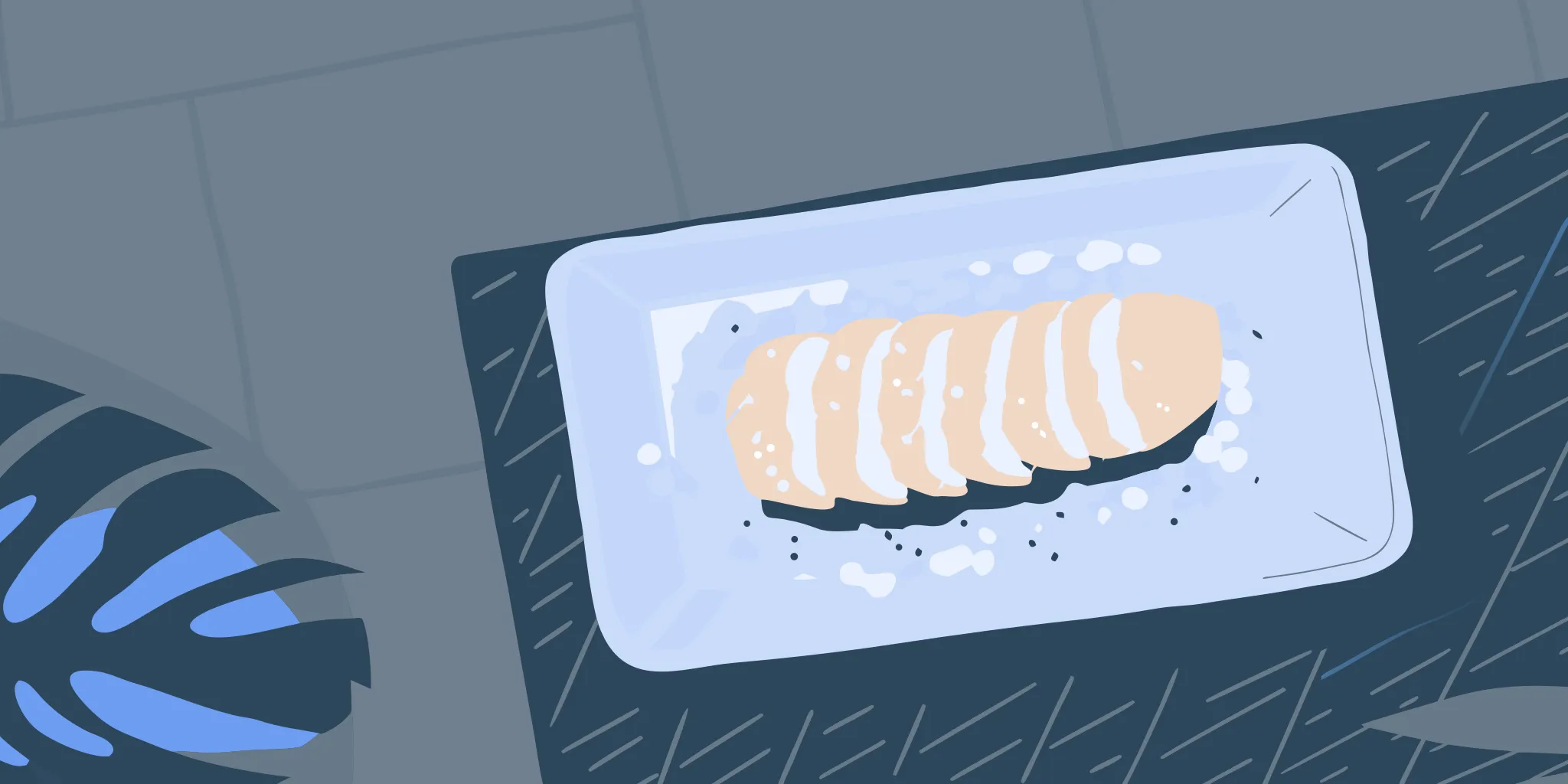
The process involves rolling the pork belly into a log, tying it, and then braising it low and slow for hours in a mixture of soy sauce, mirin, sake, and aromatics. This allows the fat to render and the meat to absorb all that incredible flavor, resulting in slices that practically dissolve on your tongue. It takes patience, but the payoff is absolutely worth it.
Quick and Easy Ground Pork Toppings
Don’t have hours to watch a pot simmer? No problem. Ground pork is a fantastic shortcut to a flavorful bowl of ramen, making it one of the most versatile types of ramen toppings for a busy night. It cooks in minutes and acts like a sponge for any seasonings you add. You can keep it simple with a little soy sauce and ginger, or turn up the heat by making a spicy miso pork topping with garlic, gochujang, and sesame oil.
Simply brown the ground pork in a pan, breaking it up as it cooks, then add your seasonings and let it simmer for a few minutes. Spoon it over your noodles and broth for an instant infusion of savory flavor and satisfying texture.
Exploring Other Delicious Pork Options
Beyond pork belly and ground pork, other cuts can work beautifully in your ramen bowl. Pork shoulder (also known as pork butt) is a wonderful option if you want tender, shredded meat without the richness of pork belly. It’s a forgiving cut that becomes incredibly juicy when slow-cooked. You can simmer it directly in your broth or use a slow cooker to make a big batch of tender, flavorful meat.
This pork ramen recipe shows just how tender pork shoulder can get in a slow cooker. Once cooked, just shred it with two forks and add it to your bowl. It’s a great middle-ground option that delivers deep flavor with minimal hands-on effort.
Getting the Noodles Just Right
Your broth and pork can be perfect, but if the noodles are off, the whole bowl suffers. The noodles are the foundation of your ramen, providing that satisfying chew that balances the rich broth and tender toppings. Getting them right is easier than you think—it just comes down to choosing the right type for you and cooking them with a little bit of care.
Fresh vs. Dried: Which Should You Choose?
When you're standing in the grocery aisle, you’ll likely see two options: fresh and dried ramen noodles. So, what’s the difference? Fresh noodles are soft, cook in just a few minutes, and have a wonderful, delicate texture that’s great at soaking up all the flavor from your broth. They’re my personal go-to for a truly restaurant-quality feel.
Dried noodles, on the other hand, are a fantastic pantry staple. They have a much longer shelf life, making them perfect for a spontaneous ramen night. They have a firmer bite and take a bit longer to cook, but they are still a delicious option. There’s no wrong answer here; the choice really comes down to personal preference and how the two types compare in texture and convenience.
How to Cook Your Noodles for the Perfect Bite
The secret to perfect ramen noodles is to not overcook them. You’re aiming for an “al dente” texture—firm to the bite, but not hard. Bring a large pot of unsalted water to a rolling boil. Fresh noodles cook very quickly, usually in about 2 to 3 minutes. Dried noodles will take longer, around 5 to 7 minutes. I recommend tasting a noodle a minute before the package says they’re done to ensure you get that perfect chew.
Once they’re cooked, immediately drain them. Here’s a pro tip: briefly rinse the noodles under cold water. This simple step stops the cooking process instantly and washes away excess starch, which prevents them from becoming gummy in your hot broth. This ensures your noodles stay perfectly springy from the first bite to the last.
Finish Your Bowl with the Perfect Toppings
Your rich, savory broth is simmering, the pork is tender, and the noodles are cooked to perfection. Now for the final, crucial step: the toppings. This is where a good bowl of ramen becomes a truly great one. Toppings are more than just a garnish; they add layers of flavor, contrasting textures, and a visual pop that makes you want to dive right in. From the classic essentials that define a traditional bowl to creative additions that let your personality shine, the right combination of toppings completes the ramen experience.
Think of it as the final act of composing your masterpiece. Each element plays a specific role, whether it's the fresh, sharp bite of green onions or the rich, jammy yolk of a marinated egg. At Otaku Ramen, we believe the perfect bowl is a balance of all these components, which is why you'll see a thoughtful selection of toppings on our menu. As you build your ramen at home, this is your chance to play with those flavors and textures to create a bowl that’s perfectly suited to your taste. Let's explore some of the best ways to finish your ramen.
The Classic Toppings and Why They're Essential
Certain toppings are considered classics for a reason—they just work. These are the foundational elements that provide balance and depth to the rich pork and broth. Sliced green onions (or scallions) are a must, offering a bright, sharp freshness that cuts through the richness of the soup. Nori, or dried seaweed sheets, adds a subtle, savory ocean flavor that deepens the umami notes. Another staple is menma, which are seasoned bamboo shoots; their unique, slightly sweet flavor and satisfyingly crunchy texture provide a wonderful contrast to the soft noodles and tender pork. A swirl of aromatic chili oil can also add a welcome kick of heat and flavor.
How to Make the Perfect Ramen Egg (Ajitama)
If there’s one topping that steals the show, it’s the ajitama, or marinated ramen egg. With its firm, seasoned white and a glorious, jammy golden yolk, it adds an incredible layer of richness to every spoonful. Making them is easier than you might think and is the perfect way to prepare part of your meal in advance. The secret is to soft-boil the eggs for just 6 to 7 minutes, then immediately transfer them to an ice bath to stop the cooking process. Once peeled, they take a nice long soak—anywhere from a few hours to a couple of days—in a simple marinade of soy sauce, mirin, and a little sugar. You can make these 'jammy' ramen eggs up to four or five days ahead of time.
Creative Ideas to Customize Your Bowl
Once you’ve mastered the classics, it’s time to get creative and make the bowl your own. This is where you can really experiment with flavors that you love. If you like a little heat, add some thinly sliced jalapeños or a dash of sriracha. For a bit of crunch and nutty flavor, sprinkle on some toasted sesame seeds. Fresh corn kernels can add a pop of sweetness that works beautifully with savory miso or tonkotsu broths. To brighten everything up, try adding some fresh cilantro or a squeeze of lime juice right before serving. There are no hard and fast rules here, so feel free to mix and match until you find the combination that makes you happiest—just like when you order your favorite bowl from us.
Three Pork Ramen Recipes to Try at Home
Ready to roll up your sleeves and bring the magic of a ramen shop into your own kitchen? Making pork ramen from scratch can feel like a big undertaking, but it’s one of the most rewarding meals you can create. The best part is, there’s a recipe for every schedule and skill level. Whether you have 30 minutes on a Tuesday night or a whole weekend to dedicate to your culinary craft, you can achieve a soul-satisfying bowl of ramen at home. It’s all about finding the right method that fits your life.
We’ve gathered three incredible approaches to making pork ramen. One is a quick and easy fix for when you need a delicious meal fast. Another uses a slow cooker to do most of the work for you, resulting in fall-apart tender pork and a deeply flavorful broth. And for those who want to truly understand the art of ramen, we have a weekend project that will give you a newfound appreciation for the rich, creamy tonkotsu broth we all love. Each of these recipes offers a different experience, but they all lead to the same delicious destination: a perfect bowl of homemade pork ramen. Pick the path that works for you and get ready to slurp.
The 30-Minute Weeknight Wonder
For those nights when you’re short on time but craving big flavor, this Easy Pork Ramen is your new best friend. This recipe is all about smart shortcuts without sacrificing taste. It uses thinly sliced pork tenderloin that cooks in minutes, swimming in a savory broth built on a store-bought base. You’ll add simple aromatics like garlic, ginger, and soy sauce to give it that authentic ramen character. To make it a complete meal, toss in some mushrooms and crunchy greens. Finish it with a perfectly jammy soft-boiled egg, and you’ll have a restaurant-quality dinner on the table in about half an hour. It’s the perfect way to satisfy a ramen craving without the wait.
Easy Slow Cooker Pork Ramen
If you love the idea of coming home to a meal that’s been simmering to perfection all day, this Easy Slow Cooker Pork Ramen is for you. This recipe takes a hands-off approach, letting your slow cooker transform a pork shoulder into incredibly tender meat and a rich, complex broth. You’ll combine the pork with aromatics like onion, carrots, ginger, and garlic, letting them meld together for hours. For the best results, marinate the pork overnight to let the flavors penetrate deep into the meat. When you’re ready to eat, just shred the pork, cook your noodles, and assemble your bowls. It’s a low-effort, high-reward meal that’s pure comfort.
The Ultimate Weekend Tonkotsu Project
For the dedicated home cook ready for a challenge, making traditional tonkotsu ramen is a truly rewarding weekend project. This style, famous for its rich, milky pork bone broth, requires patience and time. The magic happens by boiling pork bones for hours—sometimes up to 18—to break down the collagen and fat, creating that signature creamy texture and deep, savory flavor. Legend has it that this method was discovered by accident when a ramen chef overcooked his broth. This project isn’t just about following a recipe; it’s about connecting with the history and craft of ramen. The result is a bowl of ramen that’s as authentic as it gets.
How to Assemble the Perfect Bowl of Ramen
You’ve simmered the broth, prepared the pork, and cooked the noodles. Now for the fun part: bringing it all together. Assembling your ramen is an art form, but it’s one you can easily master. It’s all about layering the components so that every single bite is perfectly balanced. A thoughtfully assembled bowl isn't just for looks; it ensures the noodles stay springy, the broth stays hot, and the toppings add just the right amount of flavor and texture. This is the final step to creating that perfect bowl of happiness you’ve been working toward.
A Step-by-Step Assembly Guide
Ready to build your masterpiece? Start by warming your ramen bowl with hot water—this simple trick keeps your ramen hot longer. Once it’s warm, pour out the water and add your tare (seasoning base) to the bottom of the bowl, followed immediately by the piping hot broth. Give it a gentle stir. Next, carefully add your freshly cooked and drained noodles. Use chopsticks to lift and fold them into the broth, which helps prevent clumping. Now, arrange your chashu pork slices, and finish by artfully placing your other toppings. This classic combination of elements—like a soft-boiled egg, sliced green onions, and nori—is what makes the bowl complete.
Why Timing and Temperature Are Everything
The final moments before you serve your ramen are critical, and it all comes down to timing and temperature. The most common mistake home cooks make is not using water that’s hot enough to cook the noodles properly. As one chef points out, the temperature of the water is key to achieving that perfect, chewy bite. Your broth should also be almost boiling when you pour it into the bowl. This ensures that it properly warms the noodles and toppings and that the fat emulsifies beautifully, creating that rich, satisfying mouthfeel. A lukewarm bowl of ramen is a sad bowl of ramen, so make sure everything is piping hot right up until you serve.
Tips for Balancing Flavors Like a Chef
The broth is the soul of your ramen, so it’s important to make sure its flavor is just right before you serve. The secret to a truly delicious broth is building deep, layered flavor over time. Before you add the noodles and toppings, take a moment to taste the broth on its own. Does it need a little more saltiness? A splash of soy sauce can help. Craving more umami depth? Try stirring in a small amount of miso paste. If you like a little heat, a drizzle of chili oil or a spoonful of Gochujang can make a big difference. Trust your palate and adjust the seasonings until the broth tastes absolutely perfect to you.
Common Mistakes to Avoid When Making Pork Ramen
You’ve spent hours crafting the perfect broth and preparing your toppings. The finish line is in sight, but a few common slip-ups can keep your homemade ramen from tasting like the real deal. It’s easy to get excited and rush through the final steps, but this is where the details matter most. Think of this as your guide to sidestepping those final hurdles. Getting these details right is what separates a good bowl from a truly great one, and trust me, your effort will pay off in every single spoonful.
We've all been there—a broth that's a little thin, noodles that are a bit too soft. These aren't huge failures, but they're the small things that keep a homemade bowl from rivaling what you'd get at your favorite ramen shop. From the way you handle the broth to the moment you serve the bowl, each step is crucial. Let’s make sure all your hard work shines through in the final product by avoiding these simple but significant mistakes. We'll cover the most common pitfalls in broth preparation, some serious noodle no-nos, and the assembly errors that can undo all your hard work in seconds. By paying attention to these key areas, you'll be serving up bowls that are consistently delicious and impressive.
Pitfalls in Broth Preparation
The soul of any great ramen is its broth, and this is where patience truly becomes a virtue. One of the most frequent mistakes is rushing the simmer. A truly rich and creamy tonkotsu broth requires hours—sometimes a full day—of slow, gentle simmering to pull all the collagen and deep flavor from the pork bones. Cutting this short will leave you with a thin, watery base. Another key ingredient to handle with care is kombu (dried kelp). Never let it come to a rolling boil. Instead, soak it and then heat it gently in the water, removing it just before the water boils. If it boils, it can turn slimy and add an unpleasant texture to the beautiful broth you’re building.
Noodle Cooking No-Nos
Your noodles deserve just as much attention as your broth. A huge mistake is cooking the noodles directly in the ramen broth. While it might seem like a time-saver, it will make your broth cloudy and starchy, dulling the clean, savory flavors you worked so hard to create. Always cook your noodles in a separate, large pot of rapidly boiling water. This gives them enough space to cook evenly and ensures they have that perfect, chewy bite. Not using water that's at a full, rolling boil is another common error that can lead to gummy, undercooked noodles. Give them their own pot—they’ve earned it.
Assembly and Serving Errors
Once all your components are ready, the final assembly is a race against the clock. Ramen waits for no one. Letting a fully assembled bowl sit for even a few minutes can turn perfect noodles soggy and a piping hot broth lukewarm. Have your bowls ready, your toppings sliced, and your broth at a simmer. Assemble quickly and serve immediately for the best experience. And whatever you do, don’t drain the broth. The broth is the essence of the dish; it’s what makes it ramen. Each element, from the pork to the noodles, is designed to be enjoyed with that rich, flavorful soup. A perfect bowl is a harmony of all its parts, which you can see in our Otaku Ramen menu.
Related Articles
- Authentic Tonkotsu Ramen: The Ultimate Guide | Otaku Ramen
- Shoyu Ramen: The Ultimate Guide from Broth to Bowl | Otaku Ramen
- Authentic Chashu Ramen: The Ultimate Guide | Otaku Ramen
- Ramen Archives | Otaku Ramen
Frequently Asked Questions
I'm short on time. Can I still make a decent bowl of pork ramen at home? Absolutely. While a traditional Tonkotsu broth is a labor of love, you can create a deeply flavorful bowl in under an hour. The key is to use smart shortcuts. Start with a quality store-bought pork or chicken broth and simmer it with aromatics like smashed garlic, ginger, and scallions to give it a homemade feel. For the protein, seasoned ground pork is a fantastic and quick alternative to slow-braised chashu.
My homemade Tonkotsu broth isn't creamy. What's the secret? That signature milky, rich broth comes from one thing: emulsification. To achieve it, you need to simmer your pork bones at a hard, rolling boil for many hours. This aggressive cooking process breaks down the collagen and fat from the bones and whips them into the water, creating that creamy texture. A gentle simmer won't get you there, so don't be afraid to let that pot bubble away.
Do I have to use pork belly for my ramen? While chashu made from pork belly is the classic, iconic choice, it's definitely not your only option. If you want something just as tender but a little less rich, slow-cooked pork shoulder is a wonderful substitute that shreds beautifully. For a weeknight meal, spicy ground pork is a quick and satisfying topping that adds a ton of flavor without the long braising time.
Can I prepare any of the ramen components in advance? Yes, and it’s a great way to make ramen night much easier. The marinated soft-boiled eggs, or ajitama, are actually better when made a day or two ahead, as this gives them more time to absorb the marinade. The chashu pork can also be braised, cooled, and stored in the fridge. When you're ready to eat, just slice it and gently warm it up before serving.
What's the single biggest mistake people make when cooking noodles for ramen? The most common mistake is cooking the noodles directly in the ramen broth. It might seem efficient, but it releases a lot of starch into your soup, which can make the broth cloudy and dull its flavor. Always cook your noodles in a separate, large pot of boiling water. This keeps your broth clean and ensures the noodles have the perfect springy, chewy texture.