For anyone who truly loves food, understanding the "why" behind a dish makes it taste even better. Shio tonkotsu is a fascinating study in contrasts. How can a broth be so incredibly rich and creamy, yet finish so cleanly on the palate? The magic lies in the fusion of two distinct elements: a long-simmered, opaque pork broth (tonkotsu) and a delicate, salt-based seasoning (shio). This combination creates a complex flavor profile that is both powerful and nuanced. Learning to identify these layers will change the way you experience ramen. It’s this dedication to the craft that forms the foundation of our story and every bowl we serve.
Key Takeaways
- Understand the Perfect Pairing: Shio Tonkotsu is a specific style that combines a rich, milky pork-bone broth (tonkotsu) with a clean, salt-based seasoning (shio). This creates a ramen that is deeply savory yet surprisingly light on the palate.
- It’s All About Balanced Flavor: The magic of this ramen lies in its contrast. You get a full-bodied, creamy texture from the long-simmered pork broth, which is perfectly balanced by a bright saltiness that enhances the flavor without making it feel heavy.
- Toppings Complete the Experience: A great bowl is more than just broth and noodles. Toppings like tender chashu pork, a jammy egg, and fresh scallions are chosen specifically to add complementary textures and flavors that work in harmony with the nuanced broth.
What Exactly Is Shio Tonkotsu Ramen?
If you’ve ever felt a little lost looking at a ramen menu, you’re not alone. Shio Tonkotsu is a fantastic choice because it perfectly balances rich flavor with a clean finish. Think of it as the best of both worlds: a deep, satisfying broth that doesn't feel heavy. It’s a style that showcases the quality of its ingredients, from the slow-simmered pork bones to the delicate salt seasoning. Understanding its components is the first step to appreciating why it’s a favorite among ramen lovers.
A Perfect Blend: Shio Meets Tonkotsu
Let’s break down the name. "Tonkotsu" means "pork bone," and it refers to the rich, milky broth made by simmering pork bones for hours. This process creates a creamy, full-bodied base that’s deeply savory. "Shio," on the other hand, means "salt." It’s a type of tare, or seasoning concentrate, that gives the ramen its final flavor. Unlike bolder seasonings like miso, shio tare is light and clean, designed to enhance the natural flavors of the broth rather than overpower them. The result is a rich pork broth seasoned with a delicate salt base.
The Essential Ingredients in Every Bowl
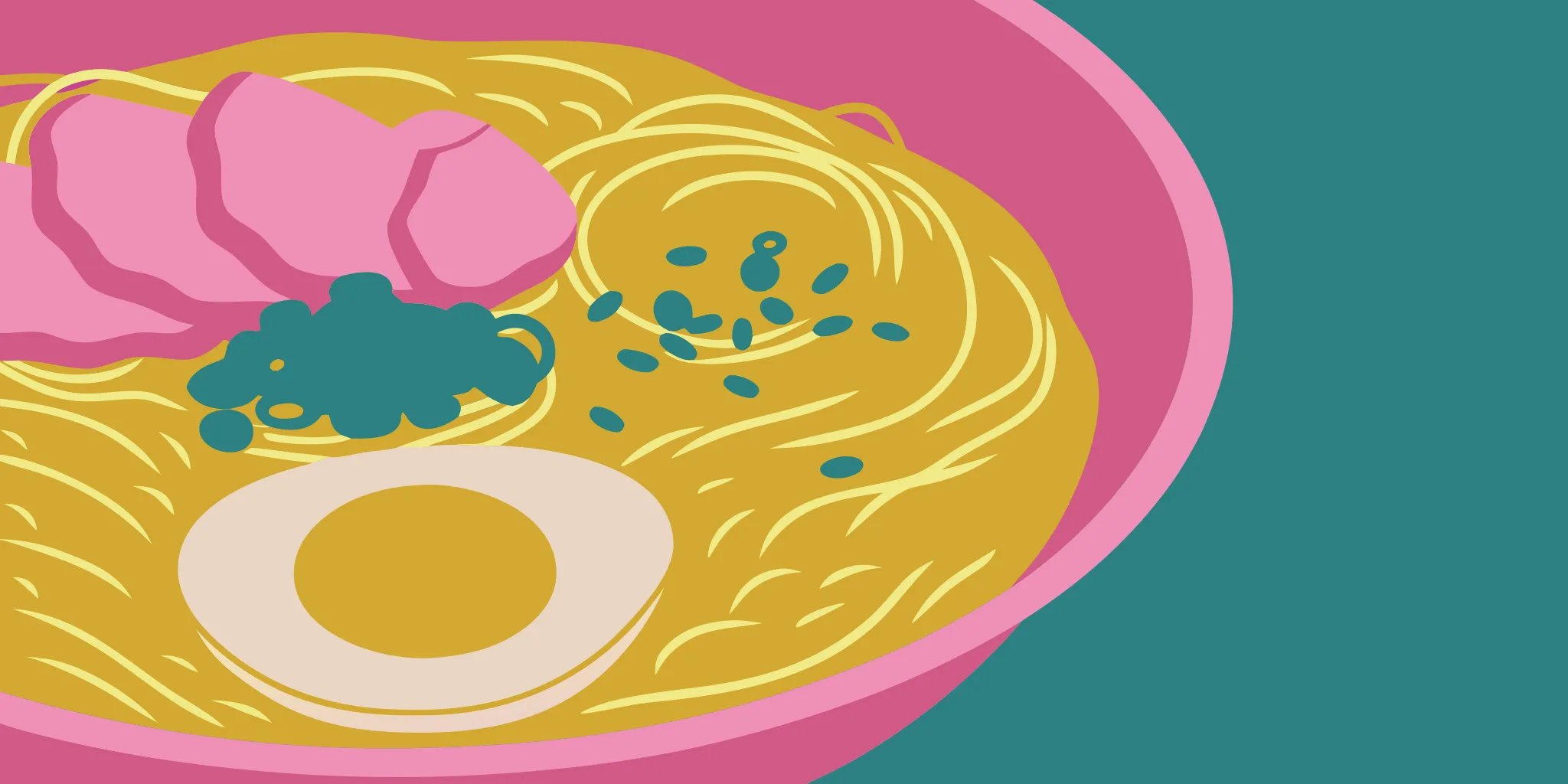
Every bowl of Shio Tonkotsu is a carefully constructed masterpiece. The cloudy tonkotsu broth is the heart of the dish, providing a velvety texture and deep umami flavor. Next comes the shio tare, which adds a clean, savory saltiness. Of course, you can’t have ramen without noodles—fresh, springy noodles are essential for soaking up the broth. The bowl is finished with classic toppings like tender chashu pork, a marinated soft-boiled egg (ajitama), and fresh scallions. You can see how these elements come together on the Otaku Ramen menu.
How It’s Both Rich and Subtle
How can a ramen be both incredibly rich and refreshingly subtle? That’s the magic of Shio Tonkotsu. The richness comes from the tonkotsu broth. Its creamy, silky mouthfeel is the result of a long, slow simmer that extracts every bit of flavor from the pork bones. The subtlety, however, comes from the shio tare. As a simple salt-based seasoning, it doesn’t mask the complex flavors of the pork. Instead, it clarifies them, adding a bright, savory finish that keeps the bowl from feeling too heavy. Each spoonful delivers satisfying depth followed by a clean saltiness.
How Is Shio Tonkotsu Different From Other Ramens?
If you’ve ever looked at a ramen menu and felt a little lost, you’re not alone. With so many styles, it can be tricky to know what makes each one unique. Shio Tonkotsu is a fantastic example of how ramen combines different elements to create something truly special. It’s not just one thing—it’s a fusion of a specific broth style and a classic seasoning. Let’s break down how it compares to other popular ramen types.
Shio Tonkotsu vs. Classic Shio
Think of classic Shio ramen as the lightest and most delicate of the bunch. Its name means "salt," which refers to its salt-based seasoning, or tare. The broth is typically clear and bright, often made from chicken, pork, or dashi, allowing the clean flavors of the noodles and toppings to stand out. It’s a style that celebrates balance and subtlety.
Shio Tonkotsu, on the other hand, takes that same salt-based seasoning and pairs it with a completely different foundation: a rich, opaque pork bone broth. So while they share a name, the experience is night and day. One is subtle and clear, while the other is creamy, hearty, and full-bodied, offering a completely different kind of satisfaction.
Shio Tonkotsu vs. Shoyu and Miso
This is where things can get a little confusing, but it’s simple once you get the hang of it. Shoyu (soy sauce) and Miso (fermented soybean paste) are, like Shio, types of tare—the seasoning that defines the ramen’s primary flavor profile. The key difference is that tonkotsu refers to the broth itself, not the seasoning. It’s a cloudy, pork-bone broth that can be seasoned with any tare. You can find Shoyu Tonkotsu or Miso Tonkotsu on many menus. Shio Tonkotsu stands out because the simple salt seasoning lets the deep, porky flavor of the tonkotsu broth really shine through without being masked by stronger flavors.
The Secret's in the Simmer
So what gives tonkotsu broth its signature creamy texture and opaque look? The secret is a long, slow simmer. This isn't a broth you can whip up in an hour. It’s made by boiling pork bones—especially parts rich in collagen, like trotters and hocks—for many, many hours. Over time, the collagen and fat break down and emulsify into the liquid, creating that milky appearance and velvety mouthfeel. This intensive process extracts every bit of flavor from the bones, resulting in a broth that’s incredibly rich and satisfying. It’s this dedication to technique that makes our Tennessee Tonkotsu a fan favorite and a true labor of love.
What Does Shio Tonkotsu Taste Like?
Trying to describe the taste of Shio Tonkotsu is like trying to explain your favorite song—it’s a complex harmony of notes that come together to create something truly special. It’s savory, rich, and deeply comforting, all at the same time. Let’s break down the flavor profile so you know exactly what to expect in your next bowl.
The Creamy, Pork-Bone Broth
The foundation of any great Shio Tonkotsu is the broth itself. "Tonkotsu" translates to "pork bone," and the broth is made by simmering pork bones for hours upon hours. This long, slow cooking process breaks down the collagen and fat, creating a beautifully opaque, milky-white liquid. The result is a broth that’s incredibly rich and velvety. It’s not just a soup; it’s a full-bodied, savory base that feels both luxurious and deeply satisfying. This creamy texture is the signature of a true tonkotsu and what makes it a classic comfort food.
A Savory Saltiness (Not Just Salty)
Next comes the "shio," which means salt. But don't mistake this for a simple, salty flavor. The shio tare—the salt-based seasoning—is carefully crafted to enhance, not overpower, the pork broth. It adds a clean, bright saltiness that cuts through the richness of the tonkotsu, creating a perfect balance. A well-made Shio Tonkotsu has a nuanced, savory flavor that brings out the natural sweetness of the pork and the other ingredients in the bowl. You can see how we describe our Tennessee Tonkotsu as a perfect example of this balance.
Its Unique Texture and Mouthfeel
One of the most distinct characteristics of Shio Tonkotsu is its mouthfeel. The broth is dense and silky, with a slightly sticky quality from all that rendered collagen. It’s a texture that coats your lips and every single noodle, ensuring each bite is packed with flavor. This luxurious consistency is a tell-tale sign of a broth that has been simmered with patience and care. It’s what makes the ramen feel so substantial and comforting, turning a simple meal into a truly memorable experience.
How Dashi Adds Umami Depth
Beyond the pork and salt, there’s another layer of flavor at play: umami. This deep, savory taste is often achieved by incorporating dashi elements—like kombu (seaweed) or bonito flakes (dried fish)—into the shio tare. This adds a subtle complexity and a savory depth that rounds out the entire flavor profile. It’s this careful layering of ingredients that transforms the broth from a simple pork soup into a rich, multi-dimensional experience. This commitment to building flavor is a core part of our dedication to the craft of ramen making.
What Are the Best Toppings for Shio Tonkotsu?
A great bowl of ramen is more than just its broth and noodles; the toppings are what turn a good meal into an unforgettable one. With a broth as nuanced as Shio Tonkotsu, choosing the right additions is key. The goal is to find ingredients that complement its creamy, savory flavor without stealing the show. The right combination of toppings adds layers of texture and taste, making every single bite a new experience. From classic pairings to creative combinations, the toppings you choose are your way of personalizing the bowl and making it truly your own.
Classic Toppings That Pair Perfectly
Shio Tonkotsu’s delicate, briny flavor shines when paired with classic, time-tested toppings. A jammy ramen egg, or ajitama, is a must-have for many, as its creamy yolk enriches the already luxurious broth. Thinly sliced chashu (braised pork belly) melts in your mouth, adding a deep, savory flavor that perfectly matches the pork-based broth. For a bit of texture and a fresh, sharp bite, you can’t go wrong with negi (green onions) and menma (seasoned bamboo shoots). These traditional toppings create a harmonious blend that respects the broth’s character while making the entire bowl more satisfying. You can see how we pair these classics in our own ramen menu.
How Toppings Create the Perfect Bite
The magic of a perfect bowl of ramen is in the contrast. It’s about creating a single spoonful that has a little bit of everything—soft, crunchy, savory, and fresh. Imagine the tender noodles and rich broth paired with the satisfying crunch of fresh ginger or bamboo shoots. That textural difference is what keeps your palate engaged. Crispy elements, like tempura bits or crispy pork, can add another layer of texture that stands up to the creamy soup. Pickled toppings, like shiitake mushrooms, introduce a tangy note that cuts through the richness of the tonkotsu, cleansing your palate and getting you ready for the next bite.
Building a Balanced Bowl
Ultimately, building the perfect bowl of Shio Tonkotsu is an exercise in balance. Each topping should have a purpose, contributing its own unique flavor and texture to create a cohesive dish. A well-constructed bowl is a symphony of ingredients working together. The richness of the pork and egg is balanced by the sharp freshness of green onions. The soft, chewy noodles are contrasted by the crispness of bamboo shoots. It’s this thoughtful combination that makes ramen so special. Our entire story is built on mastering this art, ensuring every bowl we serve is a perfectly balanced experience from the first sip to the last.
Want to Make Shio Tonkotsu at Home?
Feeling adventurous? Making shio tonkotsu ramen from scratch is a true labor of love, but the reward is a deeply satisfying bowl that’s all your own. It’s a weekend project that will fill your home with an incredible aroma and give you a new appreciation for the craft. Ready to get started? Here’s what you need to know to tackle it in your own kitchen.
Start with Prepping the Pork Bones
The foundation of any great tonkotsu is right in the name: ton (pork) and kotsu (bones). This isn't the time to skimp. You'll want to find high-quality pork bones, specifically femur and neck bones, which are rich in the collagen and marrow needed for a creamy broth. The most critical first step is cleaning them properly. Before you start the main simmer, you need to parboil the bones for about 10 minutes. This process helps draw out impurities. After parboiling, drain the pot and rinse each bone thoroughly under cold water to remove any scum. This ensures your final guide to ramen broth is clean, rich, and free of any funky flavors.
Why Time and Temperature Matter
Patience is the secret ingredient for a perfect tonkotsu broth. To achieve that signature milky, opaque consistency, you need to maintain a rolling boil for a very long time—we’re talking anywhere from 8 to 12 hours. This constant, high heat is essential for emulsifying the fat and collagen into the water. Unfortunately, a slow cooker just won’t get hot enough to create this effect. You need to commit to a long day at the stovetop, keeping an eye on your pot. It’s this dedication to the process that transforms simple pork bones and water into a complex, soul-warming broth, a tradition we honor in our story.
Nailing the Perfect Tare Seasoning
While the broth is the body of your ramen, the tare is its soul. Tare is the concentrated seasoning added to the bottom of the bowl before the broth is poured in. For shio tonkotsu, the tare is a salt-based mixture, often infused with ingredients like kombu (dried kelp) and shiitake mushrooms to add layers of umami. Though it makes up only about a tenth of the liquid in your bowl, its impact is huge. A well-made shio tare provides a clean, savory saltiness that cuts through the richness of the pork broth without overpowering it. This balance is what makes the different ramen styles so distinct and delicious.
Common Mistakes to Avoid
When you’re putting so much time into your broth, a few small missteps can be heartbreaking. Besides skipping the initial cleaning of the bones, the most common mistake is adding more water partway through the simmer. As the broth boils for hours, the water level will naturally reduce. It’s tempting to top it off, but this will dilute the flavor and disrupt the emulsification process. Start with more water than you think you need and let it concentrate. If the whole process feels a bit daunting, don’t worry. You can always order now and let us handle the 12-hour simmer for you.
Where to Find the Best Shio Tonkotsu in Nashville
If you live in Nashville, you know the food scene is incredible. But finding a truly exceptional bowl of ramen—one that makes you want to come back the very next day—can feel like a mission. When it comes to Shio Tonkotsu, the search gets even more specific. This isn't just any ramen; it's a delicate balance of a rich, pork-bone broth and a clean, salt-based seasoning. A great bowl is a work of art, where every single ingredient plays a crucial role.
So, what should you be looking for? It’s more than just noodles in a bowl. It’s about the depth of the broth, the texture of the noodles, and the quality of the toppings that bring it all together. Once you know the signs of a well-crafted Shio Tonkotsu, you can spot the real deal from a mile away. And luckily for us, you don’t have to go far to find it right here in Nashville.
What Makes a Great Bowl of Shio Tonkotsu?
A standout Shio Tonkotsu is all about harmony. It starts with the broth—a creamy, opaque soup made from pork bones simmered for hours to achieve a rich, silky texture. This is the tonkotsu part. The shio (salt) seasoning, or tare, is then added to cut through the richness without overpowering it, creating a savory, nuanced flavor that’s deeply satisfying but surprisingly light.
The noodles need to be fresh, springy, and cooked to perfection, with just the right amount of chew to hold up to the hearty broth. Finally, the toppings are the finishing touch. Classic additions like tender chashu pork, crisp menma (bamboo shoots), and fresh green onions add layers of texture and flavor, making each bite a complete experience.
Why Otaku Ramen's Bowl Stands Out
At Otaku Ramen, we live and breathe this stuff. Our Tennessee Tonkotsu is our take on this classic, and it’s built on a foundation of respect for tradition and an obsession with quality. We spend hours perfecting our rich, porky broth and make our noodles by hand every single day to ensure they have the perfect bite. It’s this dedication that creates a balanced, flavorful bowl that has become a local favorite.
Whether you’re dining in at one of our Nashville locations or grabbing a few bowls for a large group order, you’ll taste the difference. We believe every component matters, from the broth to the final garnish. You can see all the thoughtful ingredients that go into our bowls on our menu. It’s our way of sharing a little bit of happiness, one bowl at a time.
Related Articles
- Authentic Tonkotsu Ramen: The Ultimate Guide | Otaku Ramen
- Authentic Japanese Ramen: Your Guide to Types & Styles | Otaku Ramen
- The Ultimate Guide to Finding the Best Ramen Bar | Otaku Ramen
- Best Ramen in Nashville: Must-Try Noodle Shops | Otaku Ramen
- Tonkotsu Shoyu (New) | Otaku Ramen
Frequently Asked Questions
Is Shio Tonkotsu ramen spicy? Traditionally, Shio Tonkotsu is not spicy at all. Its flavor profile is rich, savory, and creamy, focusing on the deep taste of the pork broth and the clean salt seasoning. However, many ramen shops, including ours, offer chili oil or other spicy additions on the side so you can customize the heat level to your liking.
So, what's the main difference between "Shio" and "Tonkotsu"? Think of it like this: "Tonkotsu" describes the broth itself—a rich, cloudy soup made from simmering pork bones for hours. "Shio" describes the seasoning, or tare, which is a salt-based concentrate. So, Shio Tonkotsu is a pork bone broth that is seasoned with a salt base. You can have other types of tonkotsu, like Shoyu Tonkotsu (seasoned with soy sauce), but the shio version really lets the pure flavor of the pork broth shine.
I'm new to ramen. Is Shio Tonkotsu a good choice for a first-timer? Absolutely. It’s a fantastic starting point because it offers the best of both worlds. You get the incredibly rich and satisfying flavor from the tonkotsu broth, but the simple shio seasoning keeps it from feeling too heavy or overwhelming. It’s a classic style that gives you a true taste of what a well-crafted bowl of ramen is all about.
Is Shio Tonkotsu very salty since "shio" means salt? That's a great question, and the answer is no, it shouldn't be. While "shio" does mean salt, a well-made shio tare is designed to be savory and balanced, not just salty. Its purpose is to enhance the natural flavors of the creamy pork broth, adding a clean finish that cuts through the richness. It brings all the flavors into focus rather than overpowering them with salt.
Can I order Shio Tonkotsu for a large group or office lunch? Of course! Our Tennessee Tonkotsu is a crowd-pleaser and works perfectly for large group orders. We pack the broth, noodles, and toppings separately to ensure everything stays fresh and delicious until you’re ready to assemble and eat. It’s a great way to treat your team or friends to a comforting and memorable meal.