Before you even mix the flour, it’s worth knowing that the steamed pork bun has a rich story. Originating in China as baozi, this humble dish traveled across cultures, evolving into the Japanese nikuman we adore. This journey of culinary adaptation is something we celebrate every day at Otaku Ramen with our Japanese-inspired dishes. Making these buns at home is more than just cooking; it’s a way to connect with a delicious piece of history. This recipe will guide you through creating your own authentic steamed pork buns, giving you a deeper appreciation for every single bite and the tradition behind it.
Key Takeaways
- Patience Creates the Perfect Texture: The secret to light, fluffy buns lies in two key rests. First, let your dough rise in a warm spot until it doubles in size. Second, once steamed, let the buns sit in the covered steamer for five minutes before opening the lid to prevent them from deflating.
- A Secure Seal Protects a Juicy Filling: To keep the savory filling from leaking, roll your dough wrappers so the center is slightly thicker than the edges. Keep the rim of the dough completely dry as you pleat and pinch it shut to create a tight seal.
- Set Up Your Steamer for Success: Use a bamboo steamer to absorb excess moisture and prevent soggy buns. Always give your buns at least an inch of space to expand, ensuring hot steam can circulate freely for an even, perfect cook.
What Exactly Are Steamed Pork Buns?
If you’ve ever bitten into a warm, pillowy steamed pork bun, you know it’s a special kind of comfort food. That soft, slightly sweet dough giving way to a savory, juicy pork filling is an experience that’s hard to forget. They’re a star appetizer and a satisfying snack, and while they might seem complex, their story is as rich and flavorful as their filling. At their core, steamed pork buns are a perfect example of how simple ingredients—flour, water, and a savory filling—can create something truly spectacular.
Before we roll up our sleeves and get to the fun part (making them!), let's take a moment to appreciate where this incredible dish comes from. The journey of the steamed bun is a fascinating tale that crosses borders and centuries, evolving from an ancient Chinese staple into the beloved variations we enjoy today. Understanding its history not only makes the cooking process more meaningful but also gives you a deeper appreciation for every single bite. From its humble beginnings to its modern-day interpretations, the steamed pork bun has a story worth telling.
A Quick History of This Classic Dish
The story of the steamed pork bun, or baozi, is deeply woven into the fabric of Chinese cuisine. Its origins can be traced back thousands of years to a predecessor called mantou—a simple, fluffy steamed bread. Historical records show that people in China were steaming fermented flour dough as far back as the Zhou dynasty in 771 B.C. Over time, the brilliant idea of adding a savory filling to this steamed bread was born, creating the baozi we know and love. This simple innovation transformed a basic staple into a revered dish, securing its place as a cornerstone of Chinese culinary tradition.
From Chinese Baozi to Japanese Nikuman
Like many great foods, the steamed bun traveled and adapted as it crossed borders. When baozi made its way to Japan, it was embraced and transformed into nikuman. The name itself gives you a hint: niku means meat (usually pork) and man comes from manjū, a general term for steamed flour cakes. While it’s a Japanese take on China’s signature steamed pork bun, the core concept remains the same: a fluffy bun with a delicious, savory center. This evolution is a beautiful reminder of how food connects cultures. It’s the same spirit of culinary travel that inspires many of the Japanese-inspired dishes on our own Otaku Ramen menu.
What You'll Need for Authentic Pork Buns
Before we get to the fun part—kneading, filling, and steaming—let's talk about your shopping list. Gathering the right ingredients and tools is the first and most important step to making pork buns that rival your favorite restaurant's. Think of it as your mise en place for success. Getting everything in order first means you can relax and enjoy the process. Don’t worry, you won’t need anything too exotic, and most of these items are probably already in your kitchen.
For the Dough: Flour and Other Essentials
The magic of a great pork bun is its soft, pillowy dough. It should be slightly sweet, incredibly fluffy, and the perfect vessel for a savory filling. To get there, you’ll need a few key players: all-purpose flour, active dry yeast, a little sugar, baking powder, milk, and a neutral oil. Each ingredient has a job to do. The yeast and baking powder work together to give the buns their signature lift, while the sugar and milk add a touch of sweetness and richness that creates a tender crumb. These simple components combine to create the classic bao bun that’s beloved around the world.
For the Filling: Pork and Key Seasonings
Now for the heart of the bun: the filling. A truly authentic flavor comes from a well-seasoned mix. For this recipe, you’ll want to grab some ground pork. The fat content in the pork is what makes the filling so juicy and delicious. To season it, you’ll need a handful of pantry staples that pack a flavorful punch: soy sauce for savory depth, freshly grated ginger and garlic for a bit of zing, and finely chopped scallions for a fresh, mild onion flavor. This classic filling combination creates a savory profile that perfectly balances the sweetness of the dough.
The Right Tools for the Job
You don’t need a professional kitchen to make amazing pork buns, but a few specific tools will make the process much smoother. The most important item is a bamboo steamer. While a metal steamer will work in a pinch, bamboo is highly recommended because it absorbs excess condensation, preventing water from dripping onto your buns and making them soggy. This is the secret to achieving that perfect, fluffy texture. You’ll also want some parchment paper to line the steamer and prevent sticking, along with a rolling pin for shaping the dough. Having these essentials for making steamed buns ready will set you up for a flawless batch.
How to Make the Perfect Dough
The secret to incredible steamed pork buns isn't just the savory filling—it's the soft, pillowy dough that holds it all together. Getting that perfect texture might seem intimidating, but it really comes down to a few key steps. Don't worry, I'll walk you through it. With a little patience, you'll have a dough that's light, fluffy, and absolutely delicious, ready to be filled with that juicy pork goodness. Let's get our hands dirty and create the perfect foundation for our buns.
Mixing and Kneading Your Dough
First things first, let's get that dough started. The foundation of any amazing pork bun is a soft, slightly sweet dough. To begin, you'll want to wake up your yeast. Just combine it with a bit of sugar and warm water in a bowl and let it get foamy. Once your yeast is active and happy, you can gradually mix in your flour. Now comes the important part: kneading. You’ll want to knead the dough until it’s completely smooth and elastic. This step is what develops the gluten, which is the secret to giving your buns that perfect, chewy structure. Once it feels right, let the dough rest in a warm spot for about an hour. This gives it time to rise and get airy, just like in a classic baozi recipe.
How to Proof Your Dough Correctly
Proofing is just a fancy word for letting your dough rise, and it’s a non-negotiable step for light, fluffy buns. The yeast needs a cozy, warm environment to do its job. If your kitchen is a bit chilly, finding the right spot can be tricky. You can always place it in an oven that’s turned off with the light on, but I have an even better trick. This clever tip from RecipeTin Eats is a game-changer: run your empty clothes dryer for a minute to warm it up, then turn it off and place your covered bowl of dough inside. It creates the perfect warm, draft-free space for your dough to double in size.
Getting That Fluffy, Pillowy Texture
You’ve mixed, kneaded, and proofed your dough. Now for the final touch that guarantees that signature pillowy texture. The goal is a bun that’s perfectly light, round, and soft. After your buns have finished steaming, resist the urge to immediately pull them out. Instead, turn off the heat and let them sit in the steamer with the lid on for another five minutes. This little bit of patience is key. It allows the buns to adjust to the temperature change gradually, preventing them from deflating and wrinkling when you finally lift the lid. This simple resting period is one of the best tips for steamed buns and ensures they stay perfectly fluffy and beautiful.
How to Make a Savory Pork Filling
The soul of a great pork bun is its filling. While the fluffy dough is essential, it’s the savory, juicy pork inside that makes you come back for more. Creating a delicious filling is all about building layers of flavor and getting the texture just right. It’s simpler than you might think, and once you master the classic, you can start playing with variations. Let’s walk through how to create a filling that’s so good, it could stand on its own.
Prepping and Seasoning the Pork
To get that deeply savory flavor, start by cooking ground pork with aromatics like finely minced ginger and onion. Once the pork is browned, it’s time to introduce the sauces that create that classic, umami-rich taste. A combination of Shaoxing wine, soy sauce, sweet bean sauce, and oyster sauce will give you a perfect balance of salty, sweet, and savory notes. A dash of white pepper adds warmth. To make sure the filling isn't too runny, a simple cornstarch slurry will thicken it up, ensuring it holds together beautifully during steaming. You can find a great baozi recipe with specific measurements.
Getting the Perfect Juicy Texture
Here’s a little secret that makes a world of difference: chop the pork yourself. While buying pre-ground pork is convenient, taking five extra minutes to hand-chop a piece of pork shoulder or belly will seriously improve the filling’s texture. Hand-chopped meat has a more varied and substantial mouthfeel, making each bite more satisfyingly juicy and flavorful compared to the often-mushy texture of store-bought ground meat. It’s a small step that gives your homemade buns a truly professional quality. Trust me, once you try it, you won’t go back.
Fun Filling Variations to Try
While classic pork is always a winner, don't be afraid to get creative. You can easily swap the pork for other cooked meats like shredded Chinese BBQ duck or chicken for a different flavor profile. For a vegetarian option, sautéed mushrooms with cabbage and carrots make a fantastic and savory alternative. In some parts of China, you’ll even find baozi filled with a mix of crunchy vegetables and eggs. Experimenting with fillings is part of the fun, much like how we offer different toppings and broths on our ramen menu to create the perfect bowl.
How to Assemble and Shape Your Buns
This is where the magic really happens! Assembling your pork buns is a fun, hands-on process that gets easier with every bun you fold. Don't stress about making them look perfect right away. The goal is to create a delicious, tightly sealed package for that savory filling. Just take your time, and soon you'll be pleating like a pro. Let's get shaping.
Rolling Out the Dough Wrappers
First things first, let's get our wrappers ready. Take your beautifully proofed dough and divide it into 20 equal pieces. Working with one piece at a time, roll it out into a flat circle about 4 inches in diameter. Here’s a key tip: try to keep the center of the circle slightly thicker than the edges. This little trick gives the bun a strong base to hold the juicy pork filling without any risk of tearing. A sturdy dough wrapper is the foundation of a perfect bun, so take a moment to get the thickness just right.
Filling and Pleating Like a Pro
Now for the fun part—filling and folding. Place a generous spoonful of your cooled pork filling right in the middle of a dough wrapper. To create those classic pleats, gently gather the edges of the dough up and around the filling. As you work your way around the circle, pinch the dough to create small, overlapping folds. Think of it like folding a tiny paper fan. Once you’ve made it all the way around, twist the top to seal it all up. It definitely takes a bit of practice to get the hang of pleating buns, so be patient with yourself. Your first few might look a little rustic, and that’s totally okay!
Sealing Your Buns So They Don't Leak
A good seal is the most important part of shaping your buns. You want to make sure all that delicious, savory juice stays inside while they steam. The best way to get a tight seal is to keep your hands and the edges of the dough as dry as possible. Be careful not to get any of the filling’s liquid on the rim of the wrapper, as this can prevent the dough from sticking to itself. Pinch the final pleats together firmly to close any gaps. Even if your pleats aren't perfectly uniform, a well-sealed bun is a successful bun.
How to Perfectly Steam Your Pork Buns
You’ve made the dough and perfected the savory filling—now it’s time for the final step that brings it all together. Steaming is the magic that gives your pork buns that signature soft, pillowy texture. It might seem a little technical, but it’s actually quite simple once you know the key techniques. Getting this part right is what separates a good homemade bun from a great one that tastes like it came straight from our Otaku Ramen kitchen.
Think of this as the grand finale. All your hard work kneading dough and crafting the perfect filling leads to this moment. With the right setup and a little patience, you’ll be able to create perfectly fluffy buns every single time. It’s all about controlling the environment inside the steamer to give the buns exactly what they need to puff up beautifully. This process is gentle, using moist heat to cook the dough without creating a crust, which is essential for that classic soft bite. We'll cover everything from choosing the right liner for your steamer to the one rule you absolutely can't break. Let’s walk through how to set yourself up for success.
Setting Up Your Steamer
To get that perfect texture, your steamer setup is key. If you have one, a bamboo steamer is your best friend here. The bamboo naturally absorbs excess steam, which helps prevent your buns from getting soggy. Before you place your buns inside, you need to line the steamer to keep them from sticking. You can find perforated parchment paper made just for this, or you can simply cut small squares of regular parchment to place under each bun. In a pinch, large lettuce or cabbage leaves work beautifully as a natural, non-stick surface. This simple prep makes a huge difference in the final result of your steamed buns.
Getting the Temperature and Timing Right
Here’s the most important rule of steaming: don’t peek! Once the lid is on and the water is boiling, resist the urge to check on your buns. Every time you lift the lid, you let cold air rush in, which can cause the buns to deflate and shrink. Once the cooking time is up, don’t pull them out right away. Instead, turn off the heat and let the buns rest in the covered steamer for another five minutes. This little trick helps them set and keeps them from collapsing when you finally remove the lid, ensuring they stay perfectly fluffy and ready to eat.
Why Spacing Matters in the Steamer
Give your buns some personal space. They will expand quite a bit as they steam, so you need to arrange them with enough room to grow. A good rule of thumb is to leave at least one inch of space between each bun and the sides of the steamer. If they’re too crowded, they’ll stick together and won’t cook evenly, resulting in dense, gummy spots. Proper spacing is non-negotiable because it ensures that the hot steam can circulate freely around each bun, cooking them through and giving you that light, airy texture you’re looking for in every single bite.
Common Mistakes to Avoid (and How to Fix Them)
Even seasoned cooks run into a few bumps when making steamed buns for the first time. Don't worry—most issues are easy to fix once you know what to look for. From sticky dough to deflated buns, here are the most common mistakes and how to sidestep them for perfect results every time.
Dough and Shaping Goofs
The foundation of a great pork bun is a well-handled wrapper. When you roll out your dough, aim for a circle that’s thicker in the middle and thinner around the edges. This creates a strong base that can hold the juicy pork filling without tearing. One of the biggest culprits behind leaky buns is moisture on the dough's edge. Make sure your hands are completely dry and that no filling smudges the rim as you seal it. If intricate pleating feels intimidating, don't sweat it. You can simply pinch the dough closed tightly and place the bun seam-side down. It will still look beautiful and, more importantly, taste delicious. For a great visual guide, check out these tips for making steamed pork buns.
Steaming Slip-Ups
How you steam your buns is just as important as how you shape them. To get that signature fluffy texture, always start with cold water in your steamer and bring it to a boil with the buns already inside. This allows them to rise gently with the steam. If you’re using a metal steamer, condensation can be your enemy, dripping down and creating soggy spots on your beautiful buns. An easy fix is to wrap the lid in a clean kitchen towel to catch the moisture. Finally, give your buns some personal space. They will expand as they cook, so leave at least an inch between each one to prevent them from sticking together and steaming unevenly. These simple steamed bun techniques make all the difference.
Troubleshooting Leaky or Collapsed Buns
There’s nothing more heartbreaking than pulling perfectly puffed-up buns from the steamer only to watch them deflate. This usually happens from a sudden change in temperature. The solution is patience. Once the buns are done cooking, turn off the heat and let them rest in the covered steamer for five minutes before you even think about peeking. This helps them acclimate and stay fluffy. If your buns are leaking during steaming, it’s likely a sealing issue, so pay extra attention to pinching those edges shut during assembly. Remember, the goal is a bun that is light, round, and pillowy soft. Understanding what is bao and its ideal texture will help you know exactly what you're aiming for.
How to Store and Reheat Your Buns
One of the best parts about making pork buns at home is having leftovers. With a little care, you can enjoy them for days to come without sacrificing that soft, fluffy texture. Here’s how to store and reheat your buns so they taste just as good as when they first came out of the steamer.
Keeping Them Fresh in the Fridge
If you plan on eating your leftover buns within a few days, the fridge is your best bet. Let them cool down completely, then place them in an airtight container. This is the most important step—it keeps them from drying out and getting hard. Stored this way, your buns will stay fresh and delicious for about three to four days. It’s the perfect solution for a quick lunch or snack later in the week when you need something tasty and fast.
The Best Way to Reheat for a Fluffy Texture
When you're ready for another bun, you want to bring back that signature pillowy texture. The microwave is surprisingly great for this. Just cover a bun with a damp paper towel and heat it for about a minute to a minute and a half. The moisture from the towel essentially re-steams the bun, making it soft and warm. If you’re reheating from frozen, you can also steam them directly for about eight minutes without thawing for that perfect, fresh-from-the-kitchen taste.
Freezing Buns for Later
For long-term storage, the freezer is your friend. Once your steamed buns have cooled completely, you can freeze them for a future craving. When you’re ready to eat one, you don’t even need to thaw it. A single frozen bun can be microwaved for just one minute, and it will come out tasting like it was freshly made. It’s a fantastic way to have a quick, satisfying meal on hand for those busy days. Of course, for those times you want a treat without any prep, you can always order a fresh bowl of ramen from us.
How to Serve and Enjoy Your Pork Buns
You’ve done the hard work of mixing, kneading, filling, and steaming. Now for the best part: enjoying your incredible homemade pork buns. Serving them with a little extra care can turn a great snack into a truly memorable meal. It’s all about creating an experience, whether you’re sharing with family or treating yourself. With the right sauces and a bit of thoughtful presentation, you can easily recreate that special restaurant feeling right in your own kitchen.
Delicious Dipping Sauces and Pairings
A perfect pork bun deserves an equally perfect dipping sauce. While your buns are delicious on their own, a great sauce adds another layer of flavor that makes them sing. You can’t go wrong with classics like a simple soy sauce, a spicy chili oil, or a combination of the two. For something a little different, try a sweet and savory sauce made with hoisin, soy sauce, and a touch of sesame oil. Don’t be afraid to set out a few different options so everyone can find their favorite. If you want to get inspired by classic Japanese flavors, check out our menu for ideas.
Plating Tips for That Restaurant-Worthy Look
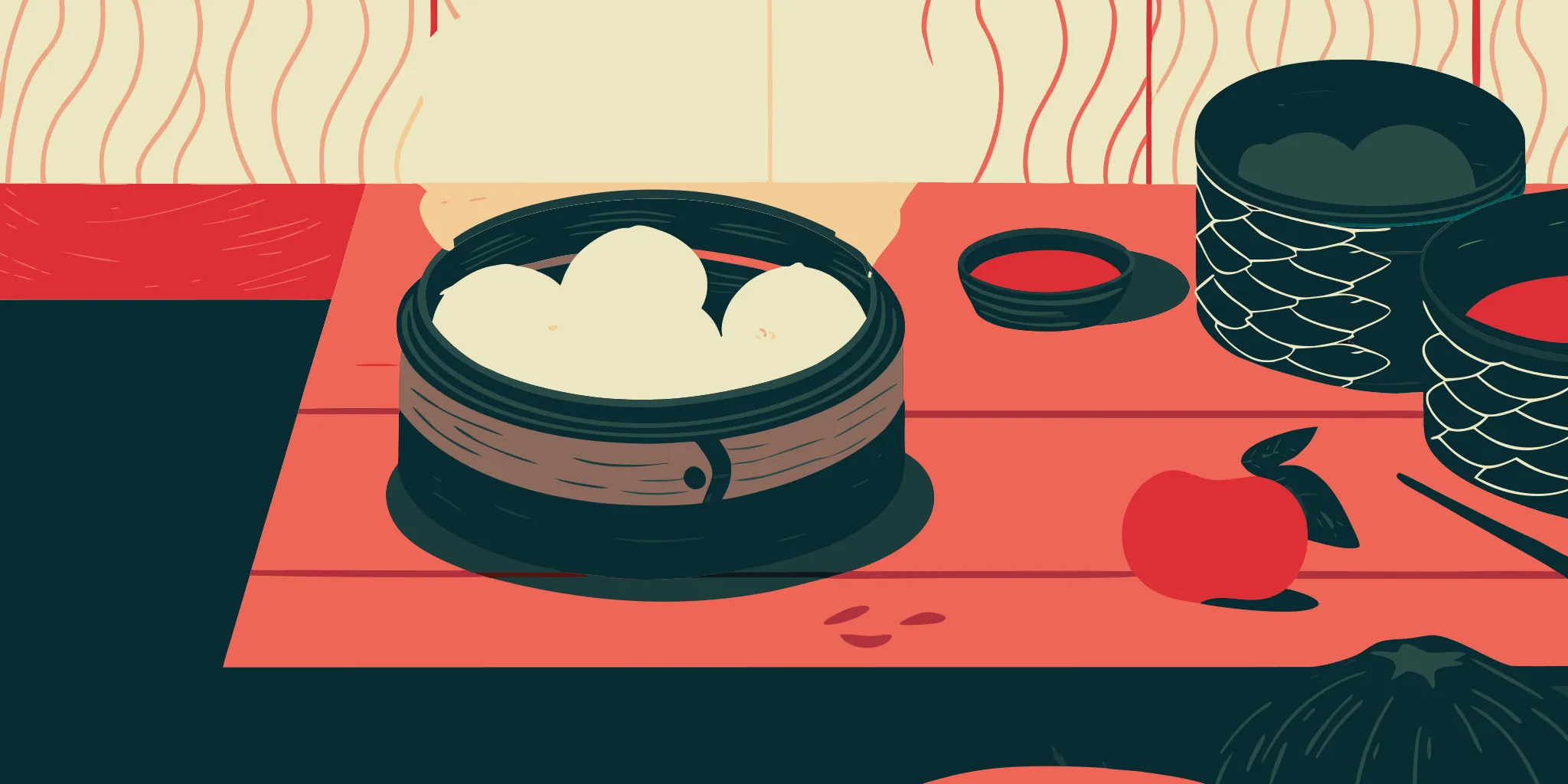
Presentation is everything, and it’s surprisingly easy to make your pork buns look as good as they taste. For an authentic touch, serve them directly in the bamboo steamer you cooked them in, placed on a plate. This keeps them warm and steamy. Just be sure to line the steamer with parchment paper to prevent sticking. If you’re plating them, arrange them on a platter with your dipping sauces in small, separate bowls. For reheating any leftovers, simply steam them for about eight minutes. This brings back that fresh, fluffy texture, making them taste like they were just made. Want to see how the pros do it? Come visit us at one of our Nashville locations.
Related Articles
- How to Make Delicious Pork Bao Buns from Scratch | Otaku Ramen
- Authentic Chashu Ramen: The Ultimate Guide | Otaku Ramen
Frequently Asked Questions
Do I really need a bamboo steamer to make these? While a bamboo steamer is highly recommended because it absorbs extra moisture and prevents soggy buns, you can absolutely use a metal one. The key is to manage the condensation that collects on the metal lid. A simple trick is to wrap the lid in a clean kitchen towel before placing it on the pot. The towel will catch any drips, ensuring your buns steam up perfectly fluffy instead of getting wet.
Can I prepare any parts of this recipe in advance? Yes, you can definitely break up the process to make it more manageable. The pork filling can be made a day or two ahead and stored in an airtight container in the refrigerator. In fact, working with a chilled filling often makes assembling the buns even easier. You can also prepare the dough, let it go through its first rise, and then refrigerate it overnight before shaping and steaming the next day.
My buns came out wrinkled and collapsed. What did I do wrong? This is a very common issue, and it's usually caused by a sudden change in temperature. The most likely culprit is lifting the lid too soon. Once the buns are finished steaming, turn off the heat but leave them in the covered steamer for another five minutes. This allows them to cool down gradually and set their shape, preventing that sad deflation when they hit the cooler air.
What's the best way to get the pleats to look perfect? Perfect pleats take practice, so don't worry if your first few attempts look a little rustic. The most important thing is getting a tight seal so none of the juicy filling escapes. Focus on pinching the edges together firmly. If you're struggling with the folding motion, you can simply gather the edges at the top and twist them shut, or even just fold the dough over into a half-moon shape and pinch the seam closed. They will taste just as delicious.
Can I make a vegetarian version of these buns? Of course! The dough is naturally vegetarian, so you just need to swap out the filling. A mix of finely chopped and sautéed shiitake mushrooms, cabbage, and carrots makes a wonderful and savory alternative. Season the vegetable mixture with the same soy sauce, ginger, and garlic to create a similarly rich and satisfying flavor profile that pairs beautifully with the soft, sweet dough.