There’s a special kind of satisfaction that comes from creating a perfectly balanced meal, where every flavor complements the others. A rich, savory bowl of ramen, for example, is made even better with a sweet and refreshing drink to sip alongside it. That’s where strawberry boba tea comes in. Its creamy texture, bright fruit flavor, and fun, chewy pearls provide the perfect counterpoint to umami-rich dishes. It cleanses the palate and turns a simple meal into a more complete dining experience. If you’re ready to become your own barista, we’ll show you how to craft this delicious, Japanese-inspired drink right in your own kitchen, creating the perfect pairing for your next favorite meal.
Key Takeaways
- Start with Real Ingredients: The best strawberry boba comes from using real fruit for your purée and brewing a strong tea. This creates a fresh, authentic flavor that powdered mixes just can't match.
- Serve it Fresh for the Perfect Texture: Boba pearls have the best chewy texture when they're warm and freshly cooked. Assemble your drink right before you plan to enjoy it for the ideal taste and consistency.
- Customize it to Your Liking: This recipe is a great starting point. You have full control over the sweetness, the type of milk, and the tea base, so adjust the elements to create a drink you truly love.
What Is Strawberry Boba Tea?
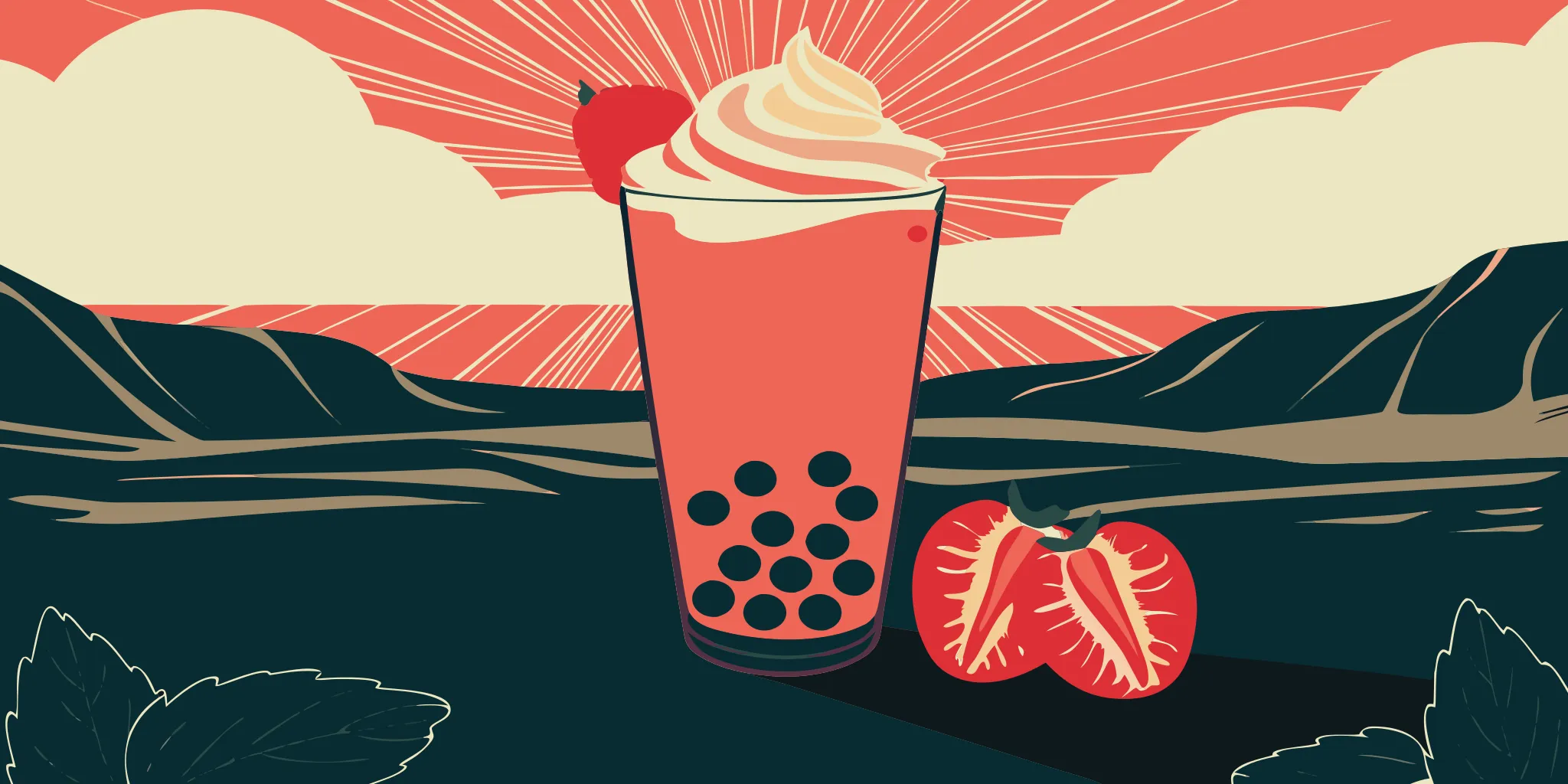
If you’ve ever seen someone sipping a vibrant pink drink with dark, chewy spheres at the bottom, you’ve likely spotted strawberry boba tea. Also known as strawberry bubble tea, it’s a sweet and refreshing drink that perfectly blends fruity and creamy flavors. At its core, it’s a milk tea made with a strawberry base, your choice of tea, milk, and of course, the signature boba pearls.
The drink is a treat for both your eyes and your taste buds, with its cheerful pink hue and delightful texture. It’s a fantastic alternative to a classic iced coffee or milkshake, especially on a warm day. While we pour our hearts into every bowl of ramen, we believe the right drink can make the meal even better. You can explore all the delicious drink options on our menu to find the perfect pairing for your favorite bowl.
What does it taste like?
Imagine a fresh strawberry milkshake crossed with a lightly brewed iced tea. That’s the best way to describe strawberry boba tea. It’s creamy, sweet, and bursting with the flavor of ripe strawberries. The tea adds a subtle, earthy undertone that cuts through the sweetness, creating a perfectly balanced drink. Then, you get the fun part: the boba. The tapioca pearls themselves have a mild, slightly sweet taste, but their main contribution is their unique, gummy-bear-like chewiness. Each sip is a delicious mix of smooth, fruity milk tea and satisfyingly chewy pearls.
The story behind bubble tea
Just like ramen, bubble tea has a fascinating history. The drink originated in Taiwan in the 1980s and has since become a global phenomenon. You might hear it called by a few different names, including Milk Tea, Boba Tea, or Pearl Milk Tea, but they all refer to the same delicious concept: a tea-based drink with chewy tapioca balls. At Otaku, we have a deep appreciation for the history and tradition behind the food we serve. Sharing the origins of dishes is part of the fun, and you can learn more about our own journey in our story.
Gather Your Ingredients for Strawberry Boba Tea
Before you start blending and shaking, let's get all your components lined up. A truly delicious boba tea starts with great ingredients, and knowing your options is the first step to crafting your perfect cup. Think of it like building your favorite bowl of ramen—every element matters. Here’s a simple breakdown of what you’ll need to make a fantastic strawberry boba tea right in your own kitchen.
Your strawberries: Fresh vs. frozen
When it comes to the star fruit, you can’t go wrong with either fresh or frozen strawberries. If strawberries are in season, using fresh ones will give your purée a bright, vibrant flavor that’s hard to beat. However, frozen strawberries are a fantastic, convenient option available any time of year. They’re typically frozen at peak ripeness, so the flavor is still excellent, and they break down beautifully into a smooth, sweet syrup for your tea. The choice is yours, so feel free to use what you have on hand.
The tea base: Black, green, or matcha
The tea you choose sets the foundation for your drink’s flavor profile. For a classic, robust milk tea taste that stands up to the creamy milk and sweet strawberry, a strong black tea like Assam or English Breakfast is a perfect choice. If you prefer something a bit lighter and more floral, try a jasmine green tea. And for a unique, earthy flavor and a gorgeous color, you can’t go wrong with matcha. Each one creates a slightly different experience, so this is a great place to experiment and find your personal favorite.
Milk options: Dairy and non-dairy
The milk is what gives your boba tea its creamy, satisfying texture. Whole dairy milk will give you a rich, classic taste, but there are plenty of amazing non-dairy alternatives that work just as well. Oat milk is a popular choice for its incredible creaminess, while almond milk offers a lighter, nuttier flavor. Soy and coconut milk are also great options. This part is all about your dietary needs and taste preference, so pick the milk you enjoy drinking the most.
Sweetener choices
To get that signature bubble tea sweetness, you’ll need a good sweetener. The most important job for your sweetener is to infuse the tapioca pearls with flavor after they’re cooked. A simple syrup made from equal parts white sugar and water is the standard, but a brown sugar syrup will add a wonderful, deep caramel note that pairs beautifully with strawberry. You could also use honey or maple syrup. Soaking the warm, cooked pearls in syrup is a non-negotiable step—it’s what keeps them soft, chewy, and delicious.
The star of the show: Tapioca pearls
You can't have boba tea without the boba! These chewy little spheres are called tapioca pearls, and they’re made from the starch of the cassava root. You can find them dried at most Asian grocery stores or online—just look for the quick-cooking kind to make things easier. On their own, they don’t taste like much, but their fun, bouncy texture is what makes bubble tea so unique. Cooking them correctly is key to achieving that perfect chew, so be sure to follow the package instructions closely.
How to Make Strawberry Boba Tea at Home
Making your own bubble tea is surprisingly simple and so rewarding. It’s all about getting the layers right: chewy pearls, sweet fruit purée, and creamy tea. Follow these four steps, and you’ll be sipping on a delicious homemade strawberry boba in no time. It’s the perfect way to satisfy your craving for a sweet, Japanese-inspired treat right in your own kitchen.
Step 1: Cook the tapioca pearls
First things first, let's get those boba pearls perfectly chewy. The key is to follow the cooking instructions on your specific package, as timing can vary between brands. Generally, you'll boil them until they float and then let them simmer for a few minutes. One pro tip: don't rinse them with cold water afterward. Keeping the pearls warm helps them maintain that signature soft, chewy texture we all love. You can let them sit in a simple syrup mixture to keep them from sticking together and add a little extra sweetness. This guide to cooking boba is a great resource if you're new to the process.
Step 2: Create the strawberry purée
Next up is the vibrant strawberry purée that gives this drink its name. You can use fresh or frozen strawberries for this. Simply combine your strawberries and a bit of sugar in a small saucepan over medium heat. Cook them down until the berries are soft and have released their juices, which usually takes about 10 minutes. Then, you can either mash them with a fork for a chunkier texture or blend them for a silky-smooth purée. Let the mixture cool down completely before you start building your drink. This step is what gives your boba that fresh, fruity flavor.
Step 3: Brew and chill the tea
The foundation of your boba is a good, strong tea. Black or green tea works wonderfully here. To get a robust flavor that won’t get lost in the milk and strawberry, steep your tea bags or loose-leaf tea in hot water for at least 10 minutes—longer than you normally would for a regular cup. Once it's brewed, remove the tea bags and let it cool to room temperature before placing it in the fridge to chill completely. You can even brew the tea a day ahead so it’s perfectly cold and ready to go when you are.
Step 4: Assemble your boba tea
This is the fun part! Grab a tall glass and let’s put it all together. Start by spooning your warm, chewy tapioca pearls into the bottom of the glass. Next, add a few spoonfuls of your cooled strawberry purée, drizzling some along the inside of the glass for that classic boba shop look. Fill the glass about three-quarters full with ice. Finally, pour in your chilled tea and top it off with your milk of choice. Give it a good stir with a wide boba straw to mix all the delicious layers, and enjoy your homemade creation immediately.
Tips for the Perfect Strawberry Boba Tea
Making strawberry boba tea at home is a rewarding project, but a few simple tricks can make the difference between a good drink and a great one. Getting the details right ensures every sip is packed with fresh flavor and the perfect texture. Think of it like crafting the perfect bowl of ramen—the little things matter. While it’s fun to be your own barista, sometimes you just want to enjoy a delicious meal without the prep. When that craving hits, you can always check out our menu for Japanese-inspired flavors.
Nail the chewy boba texture
The signature chewiness of boba pearls, often called "QQ," is what makes bubble tea so unique. The secret to achieving this perfect texture is temperature. Don't let your cooked tapioca pearls cool down completely before adding them to your drink. When they're still slightly warm, they have the ideal soft and chewy consistency. If they get too cold, they can start to harden, losing that delightful bounce. Serving them warm ensures they absorb the sweetness of your syrup and provide that satisfying texture with every sip.
Get the temperature right
Just like you wouldn't want a lukewarm bowl of soup, your boba tea is best enjoyed at the right temperature. Serving it lukewarm mutes the bright, fruity flavor of the strawberry and the richness of the tea. For the best experience, make sure your drink is either refreshingly cold or comfortingly hot. A chilled strawberry boba is perfect for a warm day, while a hot version can be a cozy treat. The contrast in temperature makes the flavors pop and creates a much more enjoyable drink.
Use the right straw
This might seem like a small detail, but it’s essential for the full boba experience. You can’t enjoy those chewy tapioca pearls if you can’t get them through the straw! Standard drinking straws are too narrow. Make sure you have wide boba straws on hand so you can get a perfect mix of tea and pearls in every sip. If you don't have boba straws, a long dessert spoon will also work in a pinch. It’s all about making sure you can easily enjoy every component of the drink you just made.
Serve immediately for the best flavor
Boba tea is a treat that’s meant to be enjoyed fresh. For the best taste and texture, assemble and serve your strawberry boba right after you prepare it. The tapioca pearls will be at their chewiest and the strawberry purée will be at its most vibrant. If you let it sit for too long, the pearls can harden and the flavors can start to dull. When you want something delicious without the wait, you can always place an online order for a quick and satisfying meal.
Common Strawberry Boba Mistakes to Avoid
Making strawberry boba tea at home is a rewarding experience, but a few common slip-ups can stand between you and the perfect cup. Getting the texture of the pearls just right and balancing the flavors are key to recreating that coffee-shop quality at home. Don't worry, though—these mistakes are easy to sidestep once you know what to look for. By paying a little extra attention to a few details, you can ensure your homemade boba is delicious every single time. Let's walk through some of the most frequent missteps and how you can easily avoid them.
Overcooking or undercooking the pearls
The signature chewiness of boba pearls is what makes bubble tea so special, but getting that texture right can be tricky. Overcooking leads to mushy pearls, while undercooking leaves a hard, unpleasant center. The secret is to follow the cooking instructions on your specific package, as times can vary between brands. Set a timer and watch them closely. A perfectly cooked pearl should be soft and chewy all the way through. It’s a small step that makes a huge difference in the final boba tea experience.
Making the boba too far in advance
While it’s tempting to prep your boba pearls ahead of time, this is one ingredient that’s best made fresh. Once cooked and cooled, tapioca pearls slowly start to harden and lose their delightful, chewy texture. For the best results, cook your boba right before you plan to assemble your drinks. This ensures they remain soft and perfectly springy when they hit the cold milk tea. You can prepare the strawberry purée and brew the tea in advance, but always save the boba for last.
Skipping fresh strawberries
To get that vibrant, authentic strawberry flavor, you have to use the real deal. Powdered mixes are quick, but they often have an artificial taste that can’t compare to actual fruit. Using fresh or even frozen strawberries will give your drink a much richer and more complex flavor. Making a simple strawberry purée only takes a few minutes and is absolutely worth the effort. It’s the difference between a drink that tastes like strawberry candy and one that tastes like a fresh strawberry in a cup.
Getting the sweetness wrong
A perfectly balanced boba tea is sweet but not cloying, allowing the fruit and tea flavors to shine. It’s easy to go overboard with sugar, especially since the boba pearls are often soaked in a simple syrup. The best approach is to sweeten your tea gradually, tasting as you go until you hit your preferred level. Remember to account for all sources of sweetness. A great tip for balancing the tartness of the strawberries is to add a tiny splash of vanilla, which can round out the flavors beautifully.
Fun Variations to Try
Once you’ve mastered the classic strawberry boba tea, you can start playing with the recipe. Think of the original as your canvas—a perfect starting point for all sorts of delicious experiments. Trying out different combinations is part of the fun, and you might just discover your new favorite drink. These simple twists on the classic recipe add new layers of flavor and texture, from earthy and rich to zesty and refreshing. Here are a few fun variations to get your creative juices flowing.
Strawberry Matcha Boba
If you love the distinct, earthy notes of matcha, this variation is a must-try. The Strawberry Matcha Boba beautifully layers strawberry purée, milk, and vibrant green matcha tea. The result is a drink that’s as stunning to look at as it is to sip. The sweetness of the strawberry cuts through the slightly bitter, complex flavor of the matcha, creating a perfectly balanced and sophisticated taste. It’s a fantastic way to combine a classic Japanese flavor with the sweet, fruity profile of strawberry milk tea. This combination feels both indulgent and refreshing at the same time.
Strawberry Boba with Cheese Foam
Don’t let the name scare you—cheese foam is a game-changer. It’s a lightly salted, creamy topping that adds a savory contrast to sweet drinks. When you add it to strawberry boba, the rich, airy foam balances the sweetness of the strawberry purée and milk tea, creating an incredibly satisfying flavor profile. Each sip gives you a taste of sweet, fruity tea followed by a smooth, savory finish. If you’re feeling adventurous and want to try one of the most popular trends in the world of bubble tea, this is the perfect variation to experiment with.
Strawberry Lemonade Boba
Looking for something light and dairy-free? Try swapping the milk for lemonade. This simple change transforms the drink into a zesty and incredibly refreshing Strawberry Lemonade Boba. It’s the perfect thirst-quencher for a warm afternoon. The bright, tart flavor of the lemonade pairs wonderfully with the sweet strawberry purée, creating a vibrant drink that’s bursting with fruity flavor. You still get the fun, chewy texture from the boba pearls, but with a lighter, tangier twist that’s sure to be a hit with anyone who loves a good glass of strawberry lemonade.
Creamy Strawberry Coconut Boba
For a taste of the tropics, try using coconut milk instead of regular dairy. This creates a Creamy Strawberry Coconut Boba with a rich, velvety texture and a subtle, sweet coconut flavor that complements the strawberry perfectly. The coconut milk adds a layer of nutty sweetness and makes the entire drink feel more luxurious and decadent. It’s a fantastic dairy-free option that doesn’t sacrifice any of the creaminess you love in a milk tea. This variation is smooth, fragrant, and offers a delightful escape with every sip.
How to Store and Serve Your Boba
Making boba tea at home is a fun project, but what do you do with the leftovers? Proper storage and serving can make all the difference between a delicious drink and a disappointing one. Here’s how to handle your homemade strawberry boba tea components to keep them tasting great.
Storing leftover boba pearls
The key to great boba is that signature chewy texture. To keep your leftover tapioca pearls from turning hard, store them in a simple syrup or honey mixture in an airtight container. They’re best enjoyed within a few hours and should be kept at room temperature. While you can refrigerate them, be aware that the cold can make them firm up. It’s always best to make fresh boba if you can, but this method works in a pinch.
Keeping the strawberry purée fresh
Your homemade strawberry purée is what gives this drink its bright, fruity flavor. To maintain that vibrant taste, store the purée in a sealed jar or container in the refrigerator. It will stay fresh for up to two days. If you’ve mixed up a batch of milk tea to go with it, that can also be stored in the fridge for two to three days. Just give it a good shake before you use it to recombine any ingredients that may have settled.
Presentation and serving tips
A great-tasting boba tea deserves to look the part. Start by layering the strawberry purée on the bottom of a clear glass, then add the boba pearls, ice, and finally the milk tea. This creates a beautiful gradient effect that’s fun to swirl together. And don’t forget the most important tool: wide boba straws. They’re essential for getting both the tea and the chewy pearls in every sip. For the best experience, serve your strawberry boba tea immediately after assembling it.
A Quick Look at Nutrition
Making strawberry boba tea at home is a fun treat, and part of the fun is knowing exactly what goes into your glass. While it’s definitely an indulgence, you have complete control over the ingredients when you’re the one making it. A few simple swaps can make a big difference if you’re looking for a lighter version of your favorite drink. It’s all about finding the right balance that works for you without sacrificing the creamy, fruity flavor you love.
Whether you’re watching your sugar intake or prefer non-dairy milk, homemade boba is incredibly flexible. You can adjust the sweetness, choose your milk, and enjoy a fresh, delicious drink that fits your lifestyle. Let’s break down what’s typically in a strawberry boba tea and how you can customize it.
Calorie and sugar content
It’s helpful to know that boba tea is best enjoyed as a treat. A typical 16-ounce strawberry milk tea from a shop can contain a significant amount of calories and sugar, often from the flavored syrups and sweeteners used. When you make it at home, a single serving can range from 250 to 400 calories, depending on your choice of milk and how much sweetener you add. The sugar content is the main thing to watch, as some drinks can have as much sugar as a can of soda. Being mindful of these numbers helps you make informed choices while still enjoying every sip.
Tips for a healthier boba tea
The best part about making boba at home is that you’re in the driver’s seat. For a lighter version, start by controlling the sweetness. You can use less of your chosen sweetener or try natural alternatives like a touch of maple syrup or agave. Another easy swap is your milk. Using plant-based milks like unsweetened almond, soy, or oat milk can lower the calorie count while adding a nice, creamy texture. Since this recipe already calls for fresh strawberries instead of artificial syrups, you’re already one step ahead in making a more wholesome and flavorful drink.
Craving More Japanese-Inspired Flavors in Nashville?
Now that you’ve mastered the art of making fresh strawberry boba tea, you’ve probably got a taste for more authentic Japanese-inspired flavors. There’s something incredibly satisfying about creating a delicious treat from scratch, especially when you know the ingredients are fresh. Just like tapioca pearls are best right after they’re cooked, many dishes are meant to be enjoyed the moment they’re prepared.
If you appreciate the craft that goes into balancing sweet, savory, and umami notes, you’ll feel right at home at Otaku Ramen. We pour that same passion and dedication into every single bowl of ramen we serve across Nashville. Our journey began with a mission to master the art of ramen, and we love sharing that tradition with our community. From our rich, slow-simmered broths to our perfectly chewy noodles, we focus on creating an experience that’s both comforting and exciting.
When you’re ready to take a break from the kitchen, come let us handle the cooking. You can explore our full menu of ramen, flavorful buns, and other small plates that are perfect for sharing. Whether you’re planning a casual dinner out at one of our Nashville locations or want to enjoy a cozy night in, you can easily order online for pickup. And if you’re feeding a crowd, our Large Group Orders make it simple to share the happiness of a great meal with friends and family.
Related Articles
- Boba Tea 101: Everything You've Ever Wanted to Know | Otaku Ramen
- Boba Milk Tea: The Ultimate Guide | Otaku Ramen
Frequently Asked Questions
Can I prepare the boba pearls in advance? While you can make the tea and strawberry purée a day or two ahead, the boba pearls are best made right before you plan to serve them. They have a very short shelf life and will start to harden and lose their signature chewy texture within a few hours, even when stored in syrup. For the best experience, always cook your boba fresh.
What's the best tea to use for strawberry boba? This really comes down to personal preference. If you enjoy a classic, robust milk tea flavor that can stand up to the sweet strawberry and creamy milk, a strong black tea like Assam or English Breakfast is a fantastic choice. For a lighter, more delicate taste, jasmine green tea works beautifully. If you want something unique and earthy, matcha is an excellent option that also adds a gorgeous color.
Why did my tapioca pearls get hard after I cooked them? This is a common issue that usually comes down to temperature. Once cooked, tapioca pearls can harden if they get too cold too quickly. This is why it's important not to rinse them with cold water after boiling. Keeping them warm in a simple syrup until you're ready to assemble the drink will help them stay soft and chewy. Serving them immediately is the best way to enjoy that perfect texture.
Can I make a caffeine-free version of this drink? Absolutely. To make a caffeine-free strawberry boba, you can simply use a decaffeinated black or green tea. Another great option is to use an herbal tea, like a hibiscus or rooibos tea, which would add its own unique flavor notes to the drink. You could also omit the tea altogether and make a simple strawberry milk with boba pearls for a creamy, kid-friendly treat.
Is it okay to use store-bought strawberry syrup instead of making a purée? You certainly can use store-bought syrup if you're short on time, but making your own purée from fresh or frozen strawberries will give you a much brighter and more authentic fruit flavor. Homemade purée allows you to control the sweetness and avoid the artificial taste that some syrups can have. It only takes a few minutes to cook down the berries, and the difference in taste is well worth the small effort.