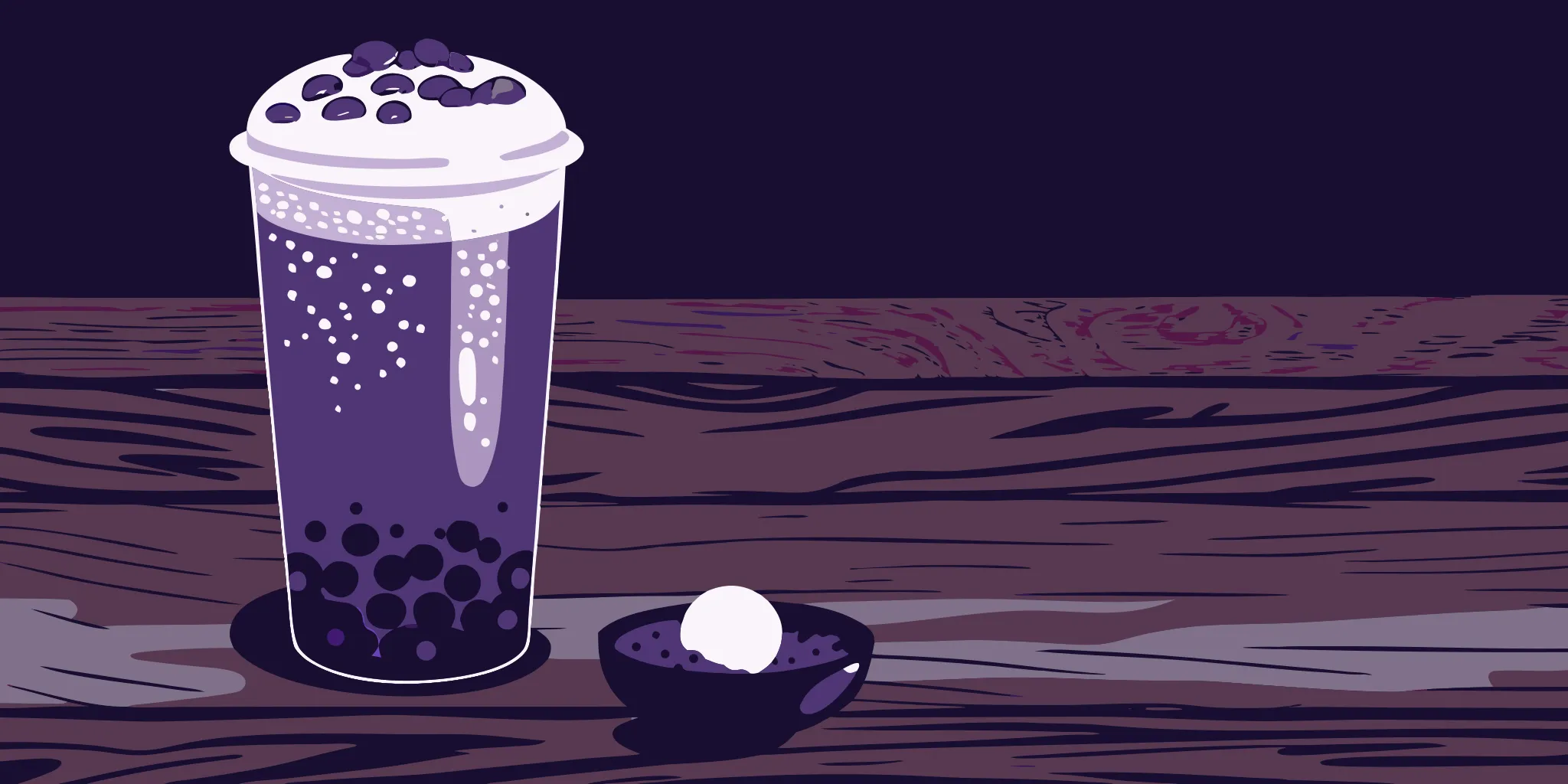
Let's clear up a few myths about that vibrant purple drink you love. First, the taro root itself is a starchy vegetable, much like a sweet potato, and is completely caffeine-free. Second, the chewy tapioca pearls at the bottom of your cup are also caffeine-free. The only source of caffeine in your drink comes from a brewed tea base, if one is used. Understanding the facts about taro milk tea caffeine is the key to ordering the drink you actually want. This guide will explain how preparation methods vary and what simple questions you can ask to ensure you get the perfect pick-me-up or a relaxing, buzz-free treat.
Key Takeaways
- The caffeine comes from the tea, not the taro: The taro root itself is a naturally caffeine-free vegetable. Any caffeine in your drink is added from a brewed black or green tea base, while toppings like tapioca pearls are also stimulant-free.
- Look for powder-based drinks to avoid caffeine: Many shops offer a version made with taro-flavored powder mixed directly with milk. This recipe skips the tea entirely, resulting in a creamy, caffeine-free treat.
- When in doubt, just ask: Since every shop has its own recipe, the best way to know what you're getting is to ask if their taro milk tea is made with real tea. If you want a guaranteed caffeine-free option, a taro smoothie is always a safe bet.
Does Taro Milk Tea Have Caffeine?
That beautiful purple drink you see all over your social feed is as delicious as it looks, but if you're watching your caffeine intake, you’ve probably wondered what’s actually in it. The short answer is: it depends. While traditional taro milk tea is caffeine-free, many modern recipes add a tea base, which changes things. Let's break down what goes into this creamy drink so you know exactly what you're ordering.
What's in Taro Milk Tea?
At its heart, taro milk tea is a simple, comforting drink. The star ingredient is taro, a starchy root vegetable with a subtly sweet, nutty flavor, similar to a sweet potato. The taro itself is completely caffeine-free. To create the drink, taro is typically cooked and mashed into a paste or used as a flavored powder. This is then blended with milk (or a non-dairy alternative) and a sweetener. So, in its most basic form, taro milk tea is a caffeine-free treat. It’s a great option for a late-night snack or for anyone avoiding a buzz.
Tea-Based vs. Powder-Only Drinks
Here’s where the caffeine question gets tricky. Whether your taro milk tea has caffeine depends entirely on how it's made. Many shops offer two versions. The first is a powder-based drink, which uses taro-flavored powder mixed directly with milk. This version is almost always caffeine-free. The second, and increasingly popular, version uses real brewed tea as a base—often green or black tea—to which taro flavoring, milk, and sweetener are added. These tea-based drinks will definitely contain caffeine. Because preparation varies from place to place, it's always a good idea to ask your barista before you order.
Common Myths About Taro and Caffeine
One of the biggest myths is that all taro milk tea is caffeine-free. While the original recipes were, the addition of green or black tea is now common. If you want to be certain, always specify that you're looking for a caffeine-free option. Another misconception is that the taro root or the chewy tapioca pearls contain caffeine. This is false—the caffeine in any boba drink comes exclusively from the tea used as the base. The pearls, taro, milk, and sugar are all just there for flavor and texture. Understanding this helps you customize your drink with confidence.
How Much Caffeine Is in Taro Milk Tea?
So, you love the sweet, nutty flavor of taro milk tea, but you’re not sure how it fits into your daily caffeine budget. The short answer is: it depends. The amount of caffeine in your taro milk tea can range from a lot to none at all. It all comes down to how it’s made, and specifically, whether it contains real tea. Let’s break down what you can expect.
Caffeine in Green Tea vs. Black Tea
If your taro milk tea is made with a real tea base, that’s where the caffeine comes from. The two most common options are black tea and green tea, and they have very different caffeine levels. A drink made with black tea typically contains between 50 to 90 milligrams of caffeine per cup. On the other hand, a green tea base has significantly less, usually around 25 to 35 milligrams. For comparison, a standard cup of coffee has about 95 milligrams. The type and amount of tea used in your drink is the single biggest factor in determining its caffeine kick.
The Caffeine-Free Powder Option
Here’s the twist: the taro root itself is completely caffeine-free. The taro plant is a starchy vegetable, a bit like a sweet potato, and it contains no natural stimulants. Because of this, many cafes make their taro milk tea using a flavored powder mixed directly with milk or a non-dairy alternative. This version skips the tea altogether, resulting in a creamy, delicious drink with zero caffeine. This makes it a perfect treat for later in the evening or a fun option for kids and anyone else looking to avoid a buzz.
Why Caffeine Levels Vary by Shop
Since there’s no universal recipe for taro milk tea, the caffeine content can be different everywhere you go. Some shops brew strong black tea for a robust flavor and a caffeine punch. Others use a gentler green tea, while many stick to the caffeine-free powder-and-milk method. Some might even use a combination of both. Because the preparation varies so much from one place to the next, you can’t assume your drink will be caffeinated or caffeine-free. The best approach is always to ask your barista how they make their taro milk tea before you order.
What Affects the Caffeine in Your Drink?
Figuring out the caffeine in your taro milk tea isn't always straightforward because it’s not a one-size-fits-all situation. Several factors can change the caffeine content from one cup to the next, even at the same shop. The biggest variable is whether your drink is made with real tea or a powder mix. From there, the type of tea used, the size of your drink, and how it’s prepared all play a role.
Think of it like ordering a bowl of ramen—the final flavor depends on the broth, the noodles, and the toppings you choose. Similarly, the final caffeine count in your taro tea depends on its core ingredients. Understanding these key factors will help you know exactly what you’re sipping on, so you can order the perfect drink to match your energy needs for the day. Let’s break down what really makes a difference.
Your Choice of Tea Base
The single source of caffeine in taro milk tea comes from the tea itself. The creamy taro flavor and the sweet milk don’t contain any caffeine. The type of tea used as the base is what matters most. Black tea, a common choice for milk teas, generally has more caffeine than green tea. So, a taro milk tea made with a black tea base will give you a bigger energy kick than one made with green tea. If a shop offers different tea options, you can directly influence the caffeine level by choosing a lighter tea or asking for a caffeine-free herbal base if they have one.
How Your Favorite Shop Makes It
Every boba shop has its own unique recipe for taro milk tea, and this is where caffeine content can vary dramatically. Some shops brew fresh tea (like black or green tea) and blend it with taro paste or powder. This version will always have caffeine. Other shops use a pre-made taro powder that’s designed to be mixed directly with milk or water, completely skipping the tea. These powder-based drinks are often caffeine-free. Because preparation methods vary by store, you can’t assume the taro milk tea from one place is the same as another. The best way to know for sure is to simply ask the barista how they make it.
How Serving Size Changes Things
This one might seem obvious, but it’s easy to overlook. The more you drink, the more caffeine you consume. If you order a large 24-ounce taro milk tea, you’ll be getting significantly more caffeine than someone who orders a small 16-ounce size. For reference, a standard 16-ounce taro milk tea made with a tea base typically contains around 25 to 50 milligrams of caffeine. Opting for a larger size could easily double that amount. If you’re sensitive to caffeine or just want a smaller dose, sticking with the smallest size available is a simple way to stay in control of your intake.
Do Toppings Add Caffeine?
Here’s some good news: the fun parts of your drink are caffeine-free! The chewy tapioca pearls, colorful fruit jellies, and sweet popping boba that make bubble tea so unique do not contain any caffeine. The caffeine content is determined entirely by the liquid tea base. So, feel free to load up on your favorite toppings without worrying about adding any extra jitters. Whether you prefer classic boba or a mix of jellies, you can be confident that the tapioca pearls are caffeine-free and won't impact your drink’s stimulant level.
Can You Order Caffeine-Free Taro Milk Tea?
Yes, you absolutely can find a delicious, caffeine-free taro milk tea. If you're sensitive to caffeine or just want a soothing treat without the buzz, you have plenty of options. The key is knowing what to look for and what to ask when you order. Since every shop has its own unique recipe, the amount of caffeine can vary dramatically from one place to the next. Some taro milk teas are made with a green or black tea base, which will always contain caffeine. Others, however, are made with a simple taro powder mix that is completely tea-free, giving you that sweet, nutty flavor without any stimulants.
Many boba shops offer both styles, so you can get the flavor you love without the jolt. Whether you prefer a creamy milk tea or a refreshing smoothie, there’s a caffeine-free taro drink out there for you. The best way to be sure is to ask your barista how they prepare their taro drinks before you commit. This simple step takes the guesswork out of ordering and ensures you get exactly what you want, every time. Don't hesitate to let them know you're looking for a caffeine-free option; they're there to help you find the perfect drink.
Finding Powder-Based Options
One of the easiest ways to get a caffeine-free taro drink is to find a shop that uses a powder mix instead of brewed tea. These powders are made from ground taro root and often include creamer and sweetener, creating that signature rich and creamy flavor without any tea leaves. While some commercial mixes might contain tea extracts, many are entirely caffeine-free. Don't be shy about asking the staff if their taro flavor comes from a powder and whether that powder contains any tea. This simple question can help you order with confidence and enjoy your drink worry-free.
Try a Taro Smoothie Instead
If you want to be 100% certain your drink is caffeine-free, consider ordering a taro smoothie or slush. These blended drinks typically use milk, a non-dairy alternative, or an ice base instead of brewed tea, making them a fantastic and foolproof option. You still get that sweet, nutty taro flavor you love, just in a thicker, frostier form. It’s a perfect choice for a warm day or when you’re craving a dessert-like beverage. Many boba shops feature these on their menus, so keep an eye out for taro smoothies, freezes, or ice blends.
Make a Caffeine-Free Version at Home
For ultimate control over your drink, why not try making it yourself? When you make taro milk tea at home, you get to choose every single ingredient. You can use pure taro powder or fresh taro root, select your favorite type of milk, and adjust the sweetness to your exact preference. This way, you can guarantee it’s completely caffeine-free and tailored perfectly to your taste. Plus, it’s a fun way to experiment with different flavors and toppings right in your own kitchen.
Where to Find Both Caffeinated and Decaf
The best way to find out if a taro milk tea has caffeine is to ask. Preparation methods vary widely between shops, so what’s true for one place might not be for another. Here at Otaku Ramen, we want you to love what you order. Our team is always happy to walk you through the menu and explain how our drinks are made so you can find the perfect one for you. Whether you're dining in at one of our Nashville locations or placing a large group order, we’ll help you get exactly what you’re looking for.
How to Order the Right Taro Milk Tea for You
Navigating a menu to find your perfect drink shouldn't feel like a pop quiz. When it comes to taro milk tea, knowing a few simple things can help you order with confidence every time. Whether you’re looking for a morning pick-me-up or a relaxing evening treat, you can easily figure out which taro drink fits your needs. It all comes down to understanding how it’s made and knowing what to ask for. With the right approach, you can customize your order to get the exact flavor and caffeine level you’re craving.
What to Ask Before You Order
The easiest way to know what’s in your drink is to simply ask. If you’re sensitive to caffeine or just prefer to avoid it, don't hesitate to ask the staff what kind of base they use for their taro milk tea. A quick question like, "Is your taro milk tea made with real tea or a powder mix?" will give you all the information you need. The team behind the counter makes these drinks all day long and can tell you whether it contains black tea, green tea, or no tea at all. This simple step ensures you get a drink you’ll love without any unwanted surprises.
How to Read the Menu for Clues
Often, the menu itself will give you hints about the caffeine content. Look closely at the name and description. A drink listed as "Taro Milk Tea" will almost always contain tea, and therefore caffeine. If you see "Taro Milk" or "Taro Smoothie," it’s likely a caffeine-free option made with taro powder or puree and milk. Some menus, like our Otaku Ramen menu, are designed to be clear, but every shop is different. Taking a moment to read the details can help you spot the difference and choose accordingly.
Customizing Your Caffeine Level
Don’t be afraid to ask for exactly what you want. If you love the flavor of taro but don't want the caffeine, you have options. You can ask if they can prepare a taro drink without the tea base. Many shops are happy to make a custom "Taro Milk" by blending the taro powder or puree directly with milk. Another great choice is ordering a taro smoothie, which typically focuses on the creamy taro flavor without any added tea. This puts you in control of your order and ensures you get the perfect caffeine-free treat.
Fitting Taro Tea into Your Day
Since taro itself is naturally caffeine-free, you can decide when and how you want to enjoy it. A taro milk tea made with a black or green tea base can be the perfect pick-me-up for a busy afternoon. On the other hand, a caffeine-free taro milk or smoothie is a wonderful, soothing option for the evening, especially alongside a comforting bowl of ramen. You can easily order your favorite pairing online for a relaxing night in. Understanding your options makes it easy to fit this delicious drink into any part of your day.
Related Articles
- Taro Milk Tea 101: Taste, Benefits, & Recipes | Otaku Ramen
- The Ultimate Guide to Taro Boba Milk Tea | Otaku Ramen
Frequently Asked Questions
So, is taro milk tea a caffeinated drink or not? Think of it this way: the taro itself is completely caffeine-free. The caffeine only comes into play when real brewed tea, like black or green tea, is added to the recipe. Many modern shops use a tea base for extra flavor, but many also offer a version made with just taro powder and milk. Because there’s no single standard recipe, you can find both caffeinated and caffeine-free versions out there.
If my taro milk tea does have caffeine, is it a lot? Generally, it has less caffeine than your average cup of coffee. If your drink is made with a black tea base, you can expect a moderate amount of caffeine, similar to a strong cup of tea. If it’s made with green tea, the caffeine level will be even lower. It’s enough for a gentle lift but typically won’t give you the same jolt as an espresso.
What's the difference between "Taro Milk Tea" and "Taro Milk" on a menu? This is a great clue to look for when you're ordering. "Taro Milk Tea" almost always means the drink is made with a real tea base, so you can expect it to contain caffeine. On the other hand, a drink listed as "Taro Milk" or "Taro Smoothie" is usually made without tea, blending the taro flavor directly with milk or ice, making it a caffeine-free choice.
Is a powder-based taro drink lower quality than one made with real tea? Not at all. It really comes down to what you’re looking for in a drink. The powder-based version is specifically designed to deliver that sweet, creamy taro flavor without any caffeine. The tea-based version offers a more complex flavor profile by blending the earthiness of tea with the sweetness of taro. One isn’t better than the other—they’re just different styles for different preferences.
What's the simplest way to guarantee my taro drink is caffeine-free? If you want to be absolutely certain, your best bet is to order a taro smoothie or slush. These drinks are blended with ice and milk instead of a tea base, so they deliver all of that delicious taro flavor with zero chance of caffeine. It's a foolproof way to enjoy a refreshing, worry-free treat.