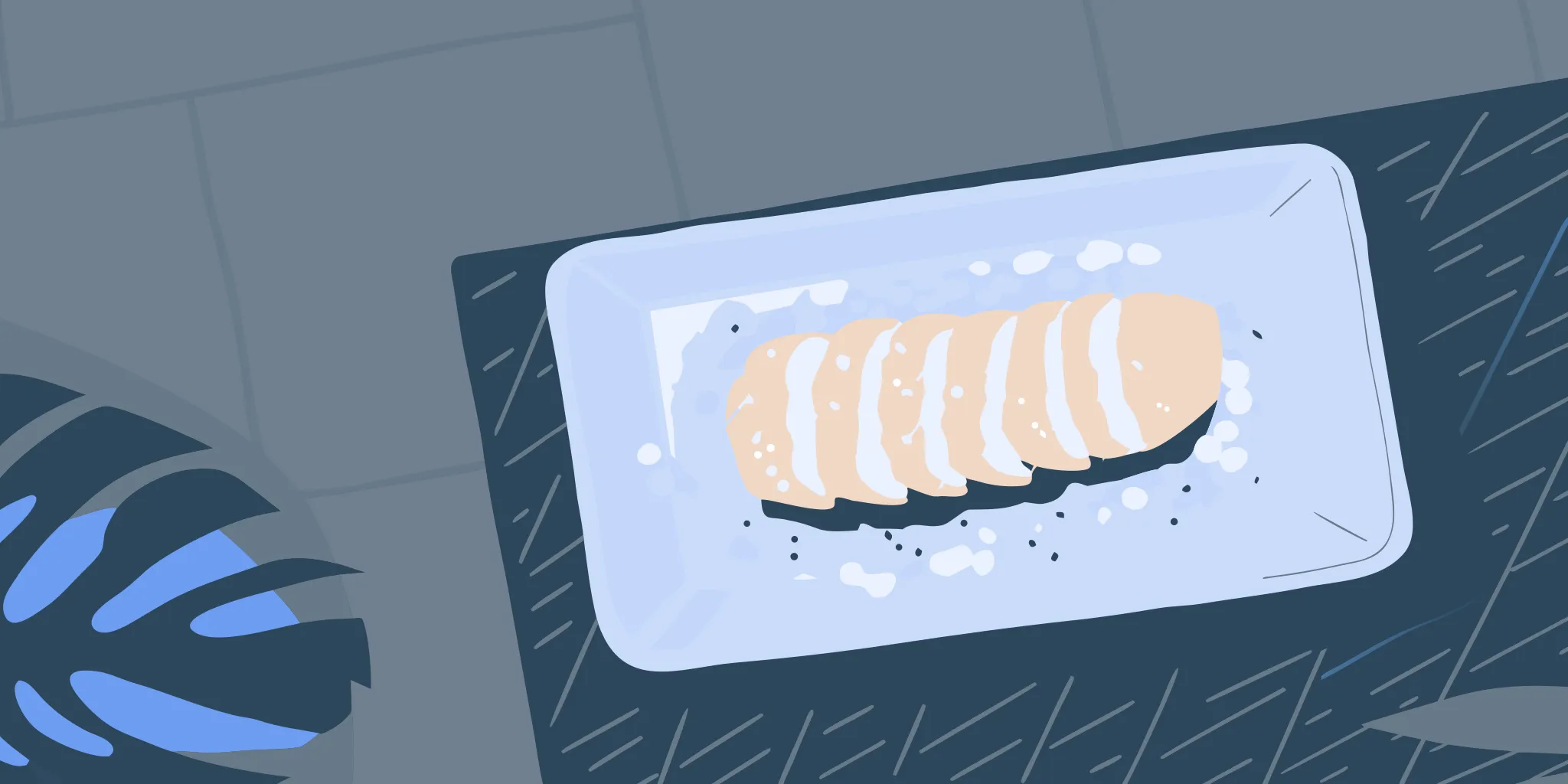
Chashu pork is the heart and soul of many classic ramen bowls, but its story actually begins with a different dish: Chinese char siu. While char siu is roasted, the Japanese version transformed the technique into a slow, gentle braise in soy sauce, sake, and mirin. This process creates the incredibly tender, juicy pork we all know and love. Understanding this history is the first step to appreciating the craft. This guide is here to demystify the process completely. We’ll show you that making restaurant-quality chashu pork noodles at home is not only possible but also incredibly rewarding. Get ready to master the techniques that turn pork belly into pure magic.
Key Takeaways
- Start with the right ingredients: For that authentic, melt-in-your-mouth texture, always use pork belly. The signature flavor comes from a simple trio of soy sauce, sake, and mirin, so stick to the classics for the best results.
- Patience is your most important tool: The key to tender chashu is a low, slow braise. Just as important, let the pork cool completely in its braising liquid—this step is crucial for locking in flavor and moisture.
- Chill before you slice: For perfect, clean slices that don't fall apart, your chashu needs to be completely cold. Chilling it overnight in the braising liquid not only makes it easier to cut but also deepens the flavor for a true ramen-shop result.
What Is Chashu Pork?
If you’ve ever fallen in love with a bowl of ramen, chances are the chashu pork had something to do with it. This isn't just any slice of meat; it's the tender, melt-in-your-mouth pork belly that soaks up all the rich, savory flavors of the broth. Chashu is a true masterpiece of Japanese cuisine, known for its delicate balance of sweet and savory notes that come from being slowly braised to perfection. It’s the kind of food that feels like a warm hug in a bowl.
At its heart, chashu is all about patience and technique. The goal is to render the fat while making the meat incredibly tender, creating a topping that complements the noodles and broth without overpowering them. It’s a key component that separates a good bowl of ramen from a great one, and its story is as rich as its flavor. While it’s now a symbol of Japanese ramen, its origins actually trace back to a classic Chinese dish. This culinary journey from one culture to another is what makes chashu so special. When you try the Tennessee Tonkotsu from our Otaku menu, you'll taste how the chashu adds a layer of richness that ties the whole dish together. It’s a testament to the art of ramen making, a tradition we’re passionate about sharing with our Nashville community.
From Chinese Char Siu to Japanese Chashu
The story of chashu begins with its Chinese predecessor, char siu, which translates to "fork roasted." Traditionally, char siu is seasoned, skewered, and roasted over a fire, giving it a distinctively sweet, smoky, and slightly firm barbecue texture.
When this concept made its way to Japan, the cooking method transformed completely. Instead of roasting, the Japanese preparation involves gently braising a roll of pork belly in a savory-sweet liquid. This Japanese version of Chinese barbecued pork is simmered in a mixture of soy sauce, sake, and mirin until it’s fall-apart tender. This slow-cooking process allows the meat to absorb all the umami flavors of the braise, resulting in the juicy, succulent slices we know and love in our ramen today.
What You'll Need for Authentic Chashu Pork Noodles
Making incredible ramen at home starts with gathering the right ingredients. Think of it as setting the stage for a fantastic meal. While the process has a few steps, the ingredient list is surprisingly straightforward. The magic of chashu pork noodles comes from the perfect combination of three key elements: succulent pork belly, a deeply flavorful marinade, and the ideal noodles and broth to bring it all together. Getting these components right is your first step toward creating a bowl of ramen that rivals your favorite shop. We’ll walk through exactly what to look for, so you can shop with confidence and get ready to cook.
Choose the Perfect Pork Belly Cut
The secret to melt-in-your-mouth chashu is using the right cut of meat, and that cut is pork belly. The generous amount of fat is essential; it renders down during the slow braise, making the pork incredibly tender and juicy. If you use a leaner cut, you risk the meat drying out, and you’ll miss that signature luscious texture. When you’re at the butcher or grocery store, look for a slab of pork belly with a good balance of fat and meat. You can buy it with the skin on or off—it’s a matter of preference, but skin-on will give you a slightly chewier, more gelatinous result.
Master the Marinade: Soy Sauce, Sake, and Mirin
The soul of chashu lies in its braising liquid. This isn't the time for substitutions. The authentic flavor comes from a classic Japanese trio: soy sauce (shoyu), sake, and mirin. Soy sauce provides the salty, umami foundation, while sake adds depth and helps tenderize the meat. Mirin, a sweet rice wine, balances the saltiness with a touch of sweetness and gives the chashu its beautiful glaze. You’ll also add aromatics like ginger and garlic to round out the flavor. This combination is what separates Japanese chashu from its Chinese cousin, char siu, which typically uses honey and five-spice powder. You can find high-quality Japanese pantry staples at most Asian markets or well-stocked grocery stores.
Select Your Noodles and Broth
Once your chashu is ready, you need the perfect base to serve it on. Chashu is a classic ramen topping, but it’s also delicious served over a simple bowl of rice. For ramen, fresh noodles will give you the best texture and flavor, but good-quality dried ramen noodles work well, too. The great thing about chashu is its versatility—it pairs beautifully with almost any style of ramen broth. It can cut through the richness of a creamy tonkotsu or add depth to a lighter shio or shoyu broth. At our shops, we love how it complements the flavors in our signature ramen bowls.
How to Make Perfect Chashu Pork From Scratch
Making chashu pork at home might sound intimidating, but it’s really about patience and a few key techniques. Think of it as a weekend project that pays off in big flavor. We’re breaking down the process into four simple stages, from searing the pork to letting it rest. Follow these steps, and you’ll have tender, melt-in-your-mouth chashu that will make your homemade ramen feel just like a bowl from your favorite shop, whether you're cooking for yourself or preparing for large group orders.
Prepare and Sear the Pork Belly
First things first, let your pork belly sit on the counter for about 30 minutes before you start cooking. Bringing the meat to room temperature is a simple but essential trick that helps it cook more evenly from edge to center. Once it’s ready, heat a bit of neutral oil in a heavy-bottomed pan over medium-high heat. Carefully place the pork belly in the pan and sear it on all sides until it’s beautifully golden brown. This step is crucial—it creates a delicious crust and renders out some of the excess fat, so your final chashu is rich but not greasy. Don’t rush this part; a good sear builds the foundation for amazing flavor.
Create the Braising Liquid
The soul of chashu is its braising liquid. This is where all that savory, slightly sweet flavor comes from. In the same pot you seared the pork in, you’ll create a simple but powerful mixture of aromatics like garlic and ginger, along with sake, and shoyu (Japanese soy sauce). To balance the saltiness and add depth, you’ll also stir in some mirin, a sweet cooking wine, plus a bit of sugar and water. As the pork simmers away in this liquid, it will soak up all of that incredible flavor. This aromatic blend is what transforms a simple cut of pork into authentic chashu.
Slow-Braise for Ultimate Tenderness
Patience is your best friend during this step. Once your pork belly is simmering in the braising liquid, turn the heat down low, cover the pot, and let it do its thing. A slow braise is the secret to making the meat incredibly tender and juicy. The low, steady heat gently breaks down the tough connective tissues in the pork, transforming them into gelatin and resulting in that signature melt-in-your-mouth texture. Here’s a pro tip: once the pork is cooked through, turn off the heat and let it cool down completely in the braising liquid. This allows the meat to relax and reabsorb the flavorful juices, making it extra succulent.
Rest Overnight for Maximum Flavor
I know it’s tempting to slice into the chashu right away, but trust me, this final step is worth the wait. After the pork has cooled in its liquid, transfer the whole thing to an airtight container and pop it in the fridge. Let it rest for at least eight hours, or ideally, overnight. This extended soak is what truly infuses the pork with deep, complex flavor from the inside out. It also firms up the meat, which is the key to getting those perfect, clean slices for your ramen bowl. This is the step that separates good chashu from great chashu.
Your Step-by-Step Chashu Pork Noodle Recipe
With your flavorful chashu pork ready to go, you’re just a few steps away from a perfect bowl of ramen. This is where all your preparation comes together. Follow these simple steps to build a ramen bowl that rivals any restaurant experience, right in your own kitchen.
Cook the Chashu Pork
This is where the magic happens. Chashu pork is the star of the show—a Japanese dish inspired by Chinese char siu, made by slowly braising pork belly until it’s unbelievably tender. The secret to that perfect, melt-in-your-mouth texture is patience. After braising the pork in its sweet and savory sauce, let it cool completely in the liquid. This step is non-negotiable, as it locks in all the moisture and flavor. Skipping it can leave you with dry pork, and we can't have that. Once it's cool, you can slice it and get it ready for your ramen bowl.
Prepare the Fresh Ramen Noodles
With your chashu resting, it's time to cook your noodles. Fresh ramen noodles are ideal, but good-quality dried noodles also work well. Cook them according to the package instructions, but aim for a slightly firm, al dente texture. The hot broth will continue to cook them in the bowl, and you want to avoid mushy noodles at all costs. The richness of the chashu pork pairs perfectly with the chewy texture of well-cooked noodles, creating a truly satisfying bite every time. Drain them well just before you’re ready to assemble your bowl.
Assemble the Perfect Bowl
It’s time to assemble your masterpiece. Start by pouring your hot broth into a deep bowl. Add your freshly cooked and drained ramen noodles, giving them a gentle stir to separate them. Next, arrange your beautiful slices of chashu pork on top. The fat from the pork will melt slightly into the broth, making it even richer and more flavorful. Finish your bowl with classic toppings like a marinated soft-boiled egg (ajitsuke tamago), bamboo shoots (menma), and fresh scallions. For a little plating inspiration, you can see how we build our bowls on the Otaku Ramen menu.
The Best Toppings for Chashu Pork Noodles
The right toppings transform a good bowl of ramen into a great one. While your tender chashu pork is the star of the show, the supporting cast of garnishes adds layers of texture, flavor, and visual appeal that complete the experience. Think of it as personalizing your masterpiece. At Otaku Ramen, we carefully select each topping to complement our broth and noodles, and you can do the same at home. Whether you stick with the classics or get a little creative, these additions are what make each bowl uniquely yours.
Traditional Favorites: Ajitsuke Tamago and Menma
You can’t go wrong with the classics. Ajitsuke Tamago, or seasoned soft-boiled eggs, are a must-have for many ramen lovers. The jammy, golden yolk adds a rich, creamy texture that melts into the broth and beautifully complements the savory chashu pork. Another traditional favorite is menma, which are fermented bamboo shoots. They provide a satisfyingly crunchy contrast to the soft noodles and tender pork, while their slightly sweet, tangy flavor helps cut through the richness of the dish, balancing every bite.
Fresh Garnishes: Scallions and Nori
Sometimes, the simplest additions make the biggest impact. Freshly sliced scallions are essential for adding a pop of color and a sharp, crisp bite that brightens the entire bowl. They offer a burst of freshness that keeps the rich, savory flavors from feeling too heavy. Similarly, a few sheets of nori (dried seaweed) bring a subtle, savory umami flavor and a touch of the sea. As the nori softens in the hot broth, it adds another layer of complexity and texture to your ramen.
Creative Twists to Make It Your Own
This is your chance to play with flavors and make the bowl truly your own. If you like a little heat, a spoonful of spicy kimchi adds a fantastic kick and a fermented tang. Pickled ginger or other pickled vegetables can also provide a zesty contrast. For more earthy notes, try adding sautéed shiitake mushrooms or a sprinkle of toasted sesame seeds. Don’t be afraid to experiment! For more ideas, you can always find inspiration on a professional ramen menu to see what combinations spark your interest.
Pro Techniques for the Best Texture and Flavor
Once you’ve mastered the basic recipe, a few professional techniques can take your chashu pork from delicious to unforgettable. These are the small details that ramen chefs obsess over to achieve that perfect melt-in-your-mouth texture and deeply savory flavor. The best part? They’re surprisingly simple to replicate in your own kitchen. Focusing on temperature control, proper slicing, and even cooking will give you that authentic, ramen-shop-quality result you’re craving. If you’d rather leave it to the pros, you can always grab a bowl at one of our Nashville locations or place a Large Group Order for your next get-together.
Master Your Temperature and Timing
Patience is the secret ingredient for incredible chashu. Cooking the pork belly low and slow is essential. If the temperature is too high or you cook it for too long, you risk rendering out too much of the fat that gives chashu its signature richness. As one home cook wisely noted, you'll lose too much fat and size from your pork if you rush the process. After braising, let the pork cool completely in the liquid. This crucial step allows the meat to reabsorb all those savory flavors and firms it up, which enhances the overall texture and makes it easier to slice later.
Slice the Chashu Like an Expert
Getting those beautiful, paper-thin slices of chashu is all about timing and temperature. Slicing the pork while it’s completely cold will give you clean, even cuts without the meat falling apart. For the best results, take your chilled, cooked pork belly out of the refrigerator about 30 minutes before you plan to serve it. This brief resting period makes the meat a bit more pliable and easier to slice. A sharp knife is your best friend here. Aim for thin, consistent slices that will drape perfectly over your noodles and absorb the hot broth. This simple tip is a game-changer for achieving that classic Ramen Pork Chashu presentation.
Use a Drop Lid for Even Cooking
To ensure every inch of your pork belly soaks up the delicious braising liquid, try using a Japanese technique with a drop lid, or otoshibuta. Unlike a regular lid that sits on the rim of the pot, a drop lid rests directly on the surface of the food. This keeps the pork fully submerged in the sauce, promoting even cooking and preventing the top from drying out. It also helps the liquid circulate more effectively for maximum flavor infusion. You can buy an otoshibuta online or easily make a temporary one out of parchment paper. This simple tool is a secret weapon for perfectly cooked chashu every time.
Common Mistakes to Avoid When Making Chashu Pork
Making chashu pork at home can feel like a big project, but it's incredibly rewarding when that tender, flavorful pork melts in your mouth. The difference between good and great chashu often comes down to avoiding a few common slip-ups. Don't worry—we've all been there. With a little patience and a few key techniques, you can sidestep these mistakes and achieve ramen-shop-quality results right in your own kitchen. Let's walk through what to watch out for so your next bowl is your best one yet.
Prevent Tough or Overcooked Pork
The number one goal for chashu is a tender, juicy texture. The most common mistake that gets in the way is cooking the pork too hot or for too long. When the heat is too high, the beautiful fat cap renders out too quickly, leaving the meat dry and tough. As one ramen expert puts it, "you'll lose too much fat and size from your pork." To avoid this, embrace a low and slow braising process. A gentle simmer allows the connective tissues to break down gradually, creating that signature melt-in-your-mouth feel without sacrificing moisture. Patience is your best friend here.
Sidestep Temperature and Timing Errors
Great cooking often starts before you even turn on the stove. A simple but crucial step many home cooks miss is letting the pork belly come to room temperature before cooking. Tossing cold meat straight from the fridge into a hot pan can cause it to cook unevenly. The rule of thumb is to take the meat out of the fridge about 30 minutes before you plan to start searing. This small act of patience allows the pork to cook more uniformly, ensuring the center isn't left struggling to catch up with the exterior. It’s a tiny detail that makes a huge difference in the final texture.
Avoid Cooking Cold Meat on High Heat
Combining the last two points, a major pitfall is searing cold meat directly over high heat. This temperature shock can cause the muscle fibers to seize up, resulting in a tough outer layer before the inside has a chance to cook. Instead of blasting it with heat, let your pork rest on the counter first. Then, sear it gently to develop a rich, brown crust before moving on to the slow braise. This two-step approach is fundamental to creating the perfect texture. Taking your time with these initial steps is what separates decent chashu from the truly unforgettable kind you'd find in our melt-in-your-mouth chashu pork belly guide.
How to Store and Reheat Chashu Pork
Making chashu pork is a labor of love, and you want to make sure every last slice is as delicious as the first. Proper storage and reheating are key to preserving that incredible flavor and melt-in-your-mouth texture you worked so hard to create. With a few simple steps, you can enjoy your homemade chashu for days to come, whether you're assembling another bowl of ramen or finding creative ways to use the leftovers.
Store Each Component for Freshness
To keep your chashu pork tasting its best, store it properly. Once cooked and cooled, you can keep it in the refrigerator for up to a week. For longer storage, freezing is a great option—it will last for about a month. The trick to freezing is to keep the pork in a solid chunk rather than pre-slicing it, which helps prevent it from breaking apart. Always store your chashu with some of the braising liquid. This magical broth is the key to keeping the pork moist and flavorful until you’re ready to use it.
Reheat to Preserve Perfect Texture
When you're ready for round two, reheating your chashu the right way makes all the difference. You want to warm it through without drying it out. One of the easiest methods is to simply add your pork slices directly to your hot ramen broth just before serving. You can also gently warm the slices in a pan with a bit of the reserved braising liquid. For a smoky, restaurant-quality finish, try searing the slices with a kitchen torch. This technique, called aburi chashu, creates a delicious caramelized crust while keeping the inside tender and juicy.
Tips for Prepping Ahead
A little planning goes a long way with chashu. One of the best things you can do is let the cooked pork belly cool completely in its braising liquid overnight in the fridge. This step is crucial for two reasons: it allows the meat to absorb even more flavor, and it firms up the pork, making it much easier to slice thinly and neatly the next day. And if you'd rather let us handle the cooking, you can always order a fresh bowl from one of our Nashville locations. Also, remember to take the meat out of the fridge about 30 minutes before you plan to reheat or serve it. Letting it come to room temperature helps it warm more evenly.
Bring the Ramen Shop Experience Home
There’s something incredibly satisfying about creating a restaurant-quality dish in your own kitchen. When you slow-braise chashu, the rich, savory aroma fills your home, building anticipation for the final meal. Crafting each component—from the perfectly jammy egg to the tender, melt-in-your-mouth pork—turns dinner into an event. It’s about more than just food; it’s about dedicating time and care to create a bowl of pure comfort.
To complete the experience, pay attention to the details. Serve your ramen in deep, wide bowls that keep the broth hot and give you plenty of room for toppings. Use proper ramen spoons (renge) for sipping the broth and chopsticks for the noodles. Setting the right mood can be as simple as putting on a good playlist and gathering your favorite people around the table. This is how you transform a simple meal into a memorable experience.
Making chashu pork noodles from scratch is also a fantastic way to host a dinner party. You can prep the chashu and broth ahead of time, then let your guests assemble their own bowls with a variety of toppings. It’s interactive, fun, and a great way to share your new culinary skills. And if your guest list gets a little too long for your kitchen, you can always simplify with one of our large group orders to feed the whole crew.
Of course, we know that spending hours braising pork isn’t always practical. Life gets busy, and sometimes you just need a perfect bowl of ramen without the prep work. On those days, we’ve got you covered. Let us handle the cooking so you can simply enjoy the happiness that comes with a delicious, authentic bowl of ramen. When the craving strikes, you can always place an order and have your favorite bowl ready in minutes.
Related Articles
- Authentic Chashu Ramen: The Ultimate Guide | Otaku Ramen
- Shoyu Ramen: The Ultimate Guide from Broth to Bowl | Otaku Ramen
Frequently Asked Questions
Can I use a different cut of pork instead of pork belly? While you could experiment, I strongly recommend sticking with pork belly. The magic of chashu is its melt-in-your-mouth texture, which comes directly from the high fat content in the belly. Leaner cuts like pork loin or shoulder just don't have enough fat, and they tend to become dry and tough during the long braising process. For that truly authentic, luscious result, pork belly is the only way to go.
Do I really have to let the chashu rest overnight? I know it’s tough to wait, but trust me, this step is a game-changer. Resting the pork in its braising liquid overnight does two crucial things. First, it allows the meat to soak up all that savory, complex flavor, making it taste so much better. Second, chilling the pork firms it up, which is the secret to getting those beautiful, clean slices that won’t fall apart. It’s the difference between good chashu and great chashu.
My chashu turned out a little dry. What did I do wrong? This is a common issue, and it usually comes down to heat management. The most likely culprit is cooking the pork at too high a temperature. Chashu needs a low, gentle simmer to allow the fat and connective tissues to break down slowly, which is what makes it so tender. If the liquid is boiling aggressively, the fat renders out too quickly and the meat can become tough. Think "low and slow" for the entire cooking time.
What’s the best way to reheat leftover chashu? You want to warm it up without drying it out. The easiest method is to place your cold slices directly into your hot ramen broth right before you serve it; the broth will warm them through perfectly. You can also gently heat the slices in a small pan with a splash of the leftover braising liquid until they’re just warmed. Avoid the microwave, as it can make the texture rubbery.
The braising liquid is so flavorful! Can I reuse it? Absolutely! Don't throw that liquid gold away. After you've cooked your pork, you can strain the liquid and store it in the fridge for about a week or freeze it for later. It’s perfect for making ajitsuke tamago (marinated ramen eggs) or you can use it as a rich, savory base for stir-fry sauces or other braised dishes.